
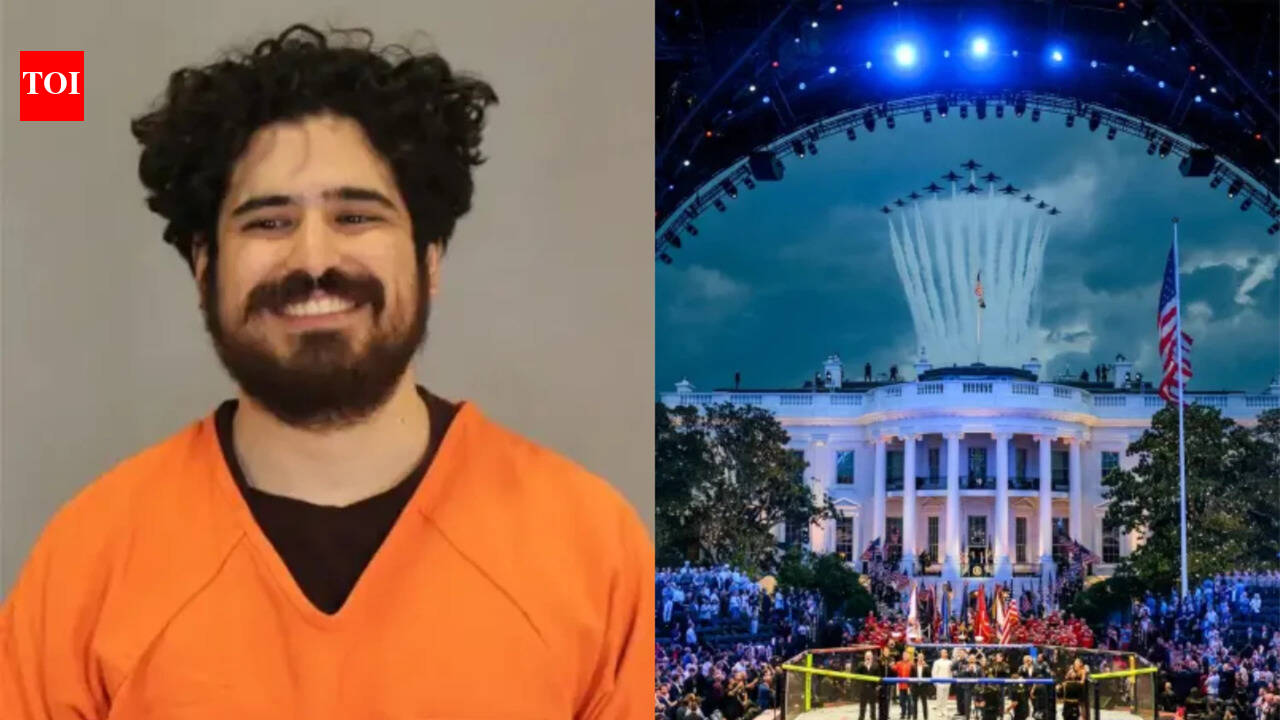
DACA Recipient Led Foiled Drone Attack Plot Targeting White House UFC Event
Abraham Alvarez, a DACA recipient and Mexican national, allegedly led a five-person conspiracy to attack the UFC Freedom 250 event at the White House using explosive-laden drones and snipers. According to the Department of Homeland Security (DHS) and the FBI, the plot was foiled before the mass casualty event could occur.
How are drone threats changing high-profile security?
Security protocols for government events are shifting toward counter-drone technology after the Abraham Alvarez plot revealed a strategy of combining aerial explosives with ground-based snipers. Alvarez allegedly coordinated a plan to launch drones into crowds at the White House South Lawn and then use snipers to target fleeing spectators, according to the US Attorney’s Office.

This hybrid approach represents a move toward “multi-vector” attacks. Rather than relying on a single point of failure, the plot utilized drones for initial chaos and snipers for secondary casualties. Federal investigators arrested five co-conspirators across Nebraska, Ohio, Missouri, and California to dismantle this network.
What happens to DACA security vetting after the Alvarez plot?
The case has triggered a debate over the security vetting of the Deferred Action for Childhood Arrivals (DACA) programme. DHS acting assistant secretary Lauren Bis stated to Fox News Digital that Alvarez “should never have been allowed in our country,” highlighting a perceived gap in the protections introduced during the Obama administration.

Alvarez entered the US as a child, but his B2 visa expired in 2001. While he later received deportation relief under DACA, the DHS is now using this case to argue for stricter enforcement and swifter removal of non-citizens involved in criminal conspiracies. This creates a direct contrast between the programme’s intent to protect “Dreamers” and the security imperatives cited by current DHS leadership.
Why are “safe zones” in residential areas becoming a risk?
The use of a former church building in Nebraska as a “safe zone” suggests a trend of utilizing non-traditional, low-profile locations to organize domestic plots. Special Agent in Charge Eugene Kowel of the FBI Omaha field office stated that Alvarez directed and recruited others across the country from this Nebraska base.
By establishing a base in a religious structure, the plotters attempted to blend into the community. FBI investigators are currently examining 23 other individuals believed to have links to the plot, indicating that the “safe zone” may have served as a hub for a wider, decentralized network of recruits.
Comparing the legal stakes of the conspiracy
The charges against Alvarez and his co-conspirators illustrate the severity of targeting the executive branch. The legal framework distinguishes between the intent to kill and the violation of protected airspace/grounds.
| Charge | Potential Penalty | Legal Basis |
|---|---|---|
| Conspiracy to Commit Murder | Life Sentence | Intent to cause mass casualties |
| Violence on White House Grounds | Up to 5 Years | Violation of secure government site |
Frequently Asked Questions
Who is Abraham Alvarez?
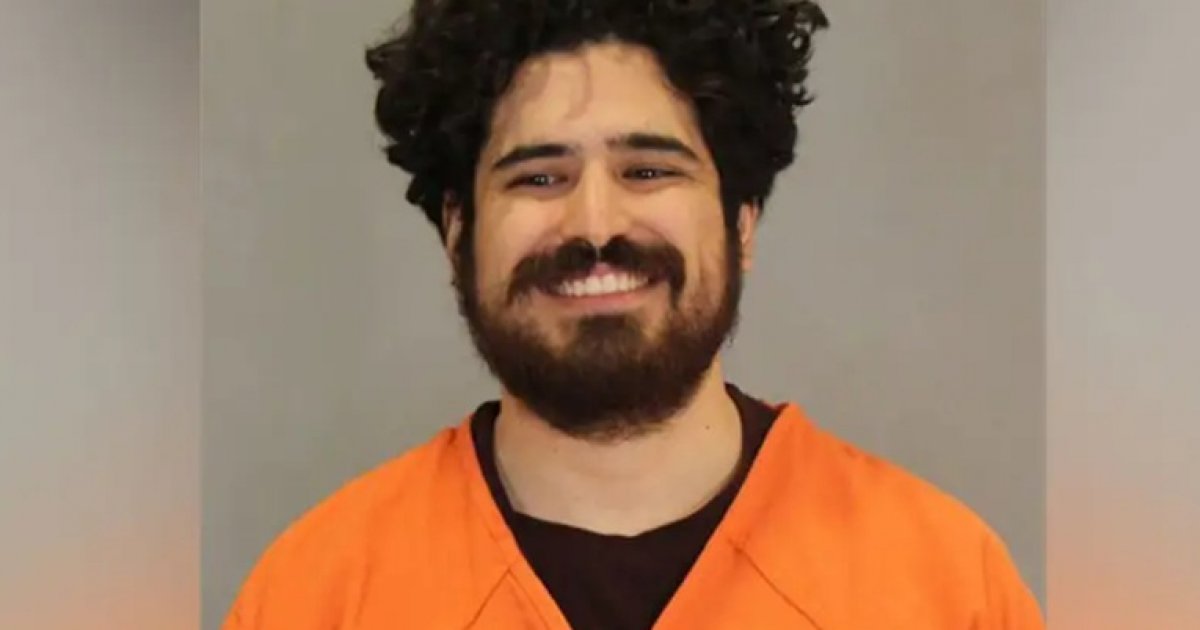
Alvarez is a 31-year-old Mexican national and former DACA recipient identified by the FBI as the ringleader of a foiled plot to attack a UFC event at the White House.
What was the target of the attack?
The target was the UFC Freedom 250 event held on the White House South Lawn, which was attended by President Donald Trump and other senior government officials.
How was the plot carried out?
The group planned to use drones carrying explosives to attack the crowd, followed by snipers targeting people as they tried to escape.
Where were the suspects arrested?
Suspects were taken into custody in Nebraska, Ohio, Missouri, and California.
For more updates on national security and federal investigations, visit the Department of Homeland Security official portal or explore our latest reports on domestic security trends.
Do you think drone regulations should be tightened for public events?
Join the conversation in the comments below or subscribe to our newsletter for deep-dive analysis on evolving security threats.