
Daily Sugary Drinks May Increase Liver Cancer Risk by 15%
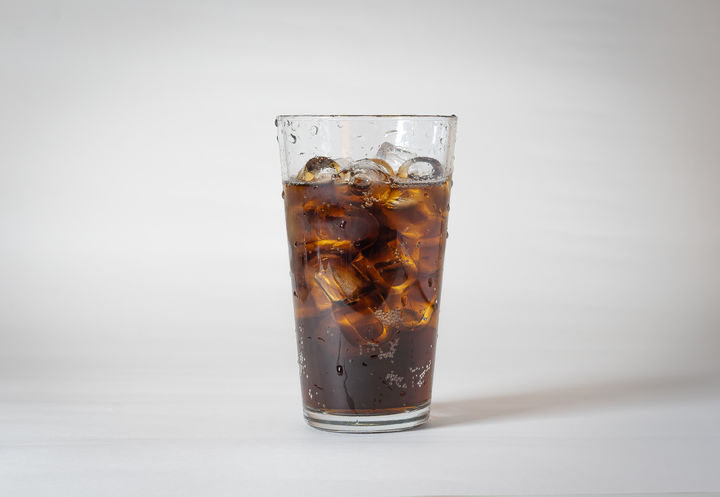
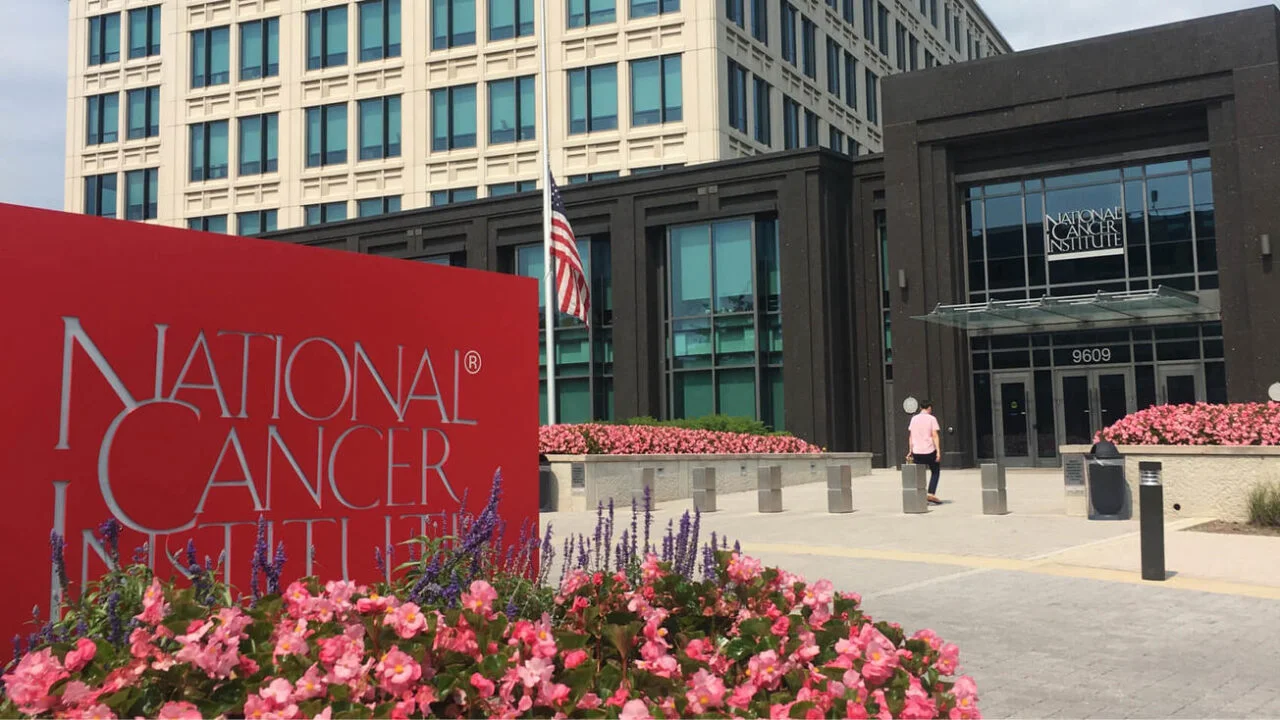
Consuming one sugar-sweetened beverage daily may increase the risk of specific liver cancers by up to 15%, according to research from the National Cancer Institute (NCI) reported by the Daily Mail. The study tracked 1,518,411 residents across the U.S. and Europe over 18 years to determine the link between sugary drinks and cancer development.
How does sugar intake affect liver cancer risk?
NCI researchers found that consistent consumption of sugar-laden drinks correlates with higher cancer rates, though the connection only became clear after adjusting data. Initial analyses showed no distinct link, but the results shifted once researchers excluded participants with diabetes.
According to the report, diabetes patients often reduce sugar intake for health reasons despite having a much higher baseline risk for liver cancer. This behavior created a statistical distortion that initially masked the danger for the general population.
Once the diabetes data was removed, those drinking one sugary beverage a day saw a 10% increase in hepatocellular carcinoma risk. The risk for intrahepatic cholangiocarcinoma, a cancer occurring in the liver’s internal bile ducts, rose by 15%.
What are the differences between sugar and artificial sweeteners?
The study compared sugar-sweetened drinks against those using artificial sweeteners, such as aspartame. Researchers found no clear increase in liver cancer risk associated with artificial sweeteners.
NCI researchers suggest sugar-sweetened beverages may trigger liver cancer through various biological pathways beyond just obesity or diabetes. However, they noted it is virtually impossible to completely isolate the effects of these drinks from the broader impacts of weight gain and diabetic conditions.
Why is this finding significant for global health?
Liver cancer affects approximately 600,000 people worldwide every year. Hepatocellular carcinoma accounts for 90% of these malignant tumors, while bile duct cancers make up the remaining 10%.
In South Korea, liver cancer ranked as the seventh most common cancer in 2023. The disease is particularly dangerous because early symptoms are often absent. By the time patients experience jaundice or abdominal pain, the cancer has likely progressed significantly.
What may happen next for high-risk individuals?
People with underlying health conditions may find that more frequent regular screenings are a necessary step for prevention. Reducing the intake of sugar-sweetened drinks could potentially lead to better long-term health outcomes.
Future health guidelines may further emphasize the reduction of added sugars to mitigate liver disease. Because of the biological pathways mentioned by researchers, clinicians may look closer at the direct impact of liquid sugar on liver cells.
Frequently Asked Questions
How many people were involved in the NCI study?
The study tracked 1,518,411 people living in the United States and Europe over a period of approximately 18 years.
Which type of liver cancer saw the highest risk increase?
Intrahepatic cholangiocarcinoma saw the highest increase at 15% for those consuming one sugary drink daily.
Do artificial sweeteners carry the same risk?
According to the researchers, no clear increase in risk was identified for beverages sweetened with artificial sweeteners like aspartame.
Do you think reducing sugary drinks is a manageable change for the average person?