
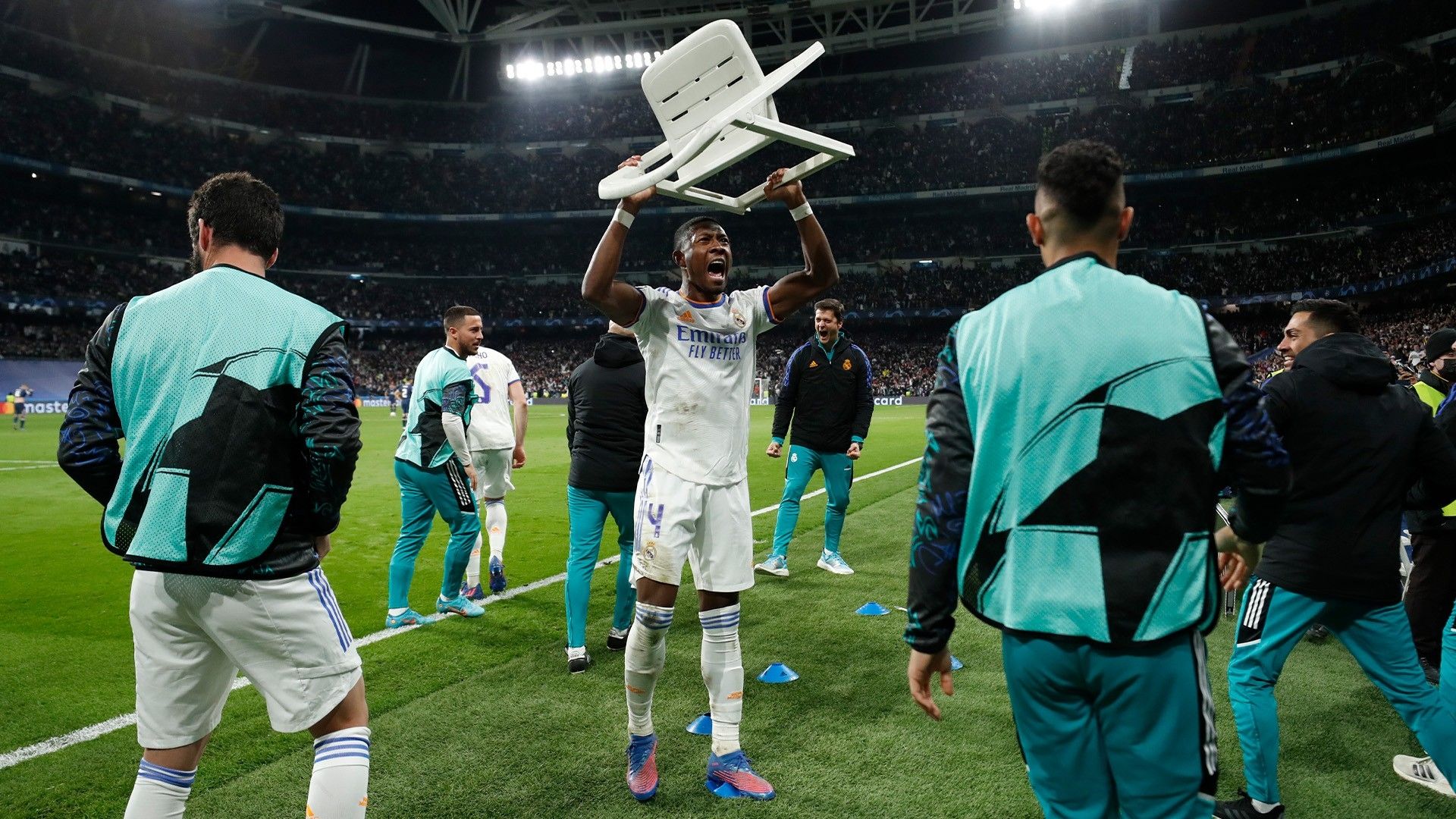
Dani Carvajal Bids Emotional Farewell to Real Madrid
The End of an Era: What Dani Carvajal’s Farewell Means for Modern Football
The emotional departure of Dani Carvajal from Real Madrid serves as more than just a goodbye to a club legend; it marks a shifting paradigm in how elite football clubs manage their veterans. As we look at the future of professional sports, the “one-club man” archetype is facing unprecedented pressure from global market trends, salary caps, and the physical demands of a modern, congested calendar.

The Loyalty Paradox: Personal Branding vs. Club Sustainability
Carvajal’s emotional tribute to Florentino Pérez—specifically noting the contract extension offered immediately following a career-threatening injury—highlights a rare, human side of the business. In an era where data-driven recruitment often treats players as depreciating assets, Real Madrid’s approach underscores a “loyalty-based” retention strategy.
However, industry data suggests a pivot. According to recent reports from the CIES Football Observatory, top-tier clubs are increasingly prioritizing youth development and resale value over long-term emotional investments. The challenge for future front offices will be balancing the need for veteran leadership with the financial necessity of a high-churn squad.
The Evolution of the Modern Full-Back
Carvajal redefined the right-back position, transitioning from a traditional defender into a tactical pivot point. As we analyse emerging talent, the trend is clear: the position is becoming the most physically demanding role on the pitch.
Future iterations of the position will require:
- Hyper-Versatility: The ability to tuck into a midfield three during possession.
- Elite Data Literacy: Utilizing wearable tech to manage load during the 60+ matches per season.
- Emotional Intelligence: Leading by example during high-pressure Champions League knockout ties.
Legacy and the “Human Factor” in Fan Engagement
The connection between a player and the fanbase is the ultimate intangible asset. As digital engagement becomes the primary revenue driver for clubs like Real Madrid, players who resonate with supporters on a human level—sharing their struggles with injury and their gratitude for the journey—create “sticky” fanbases.
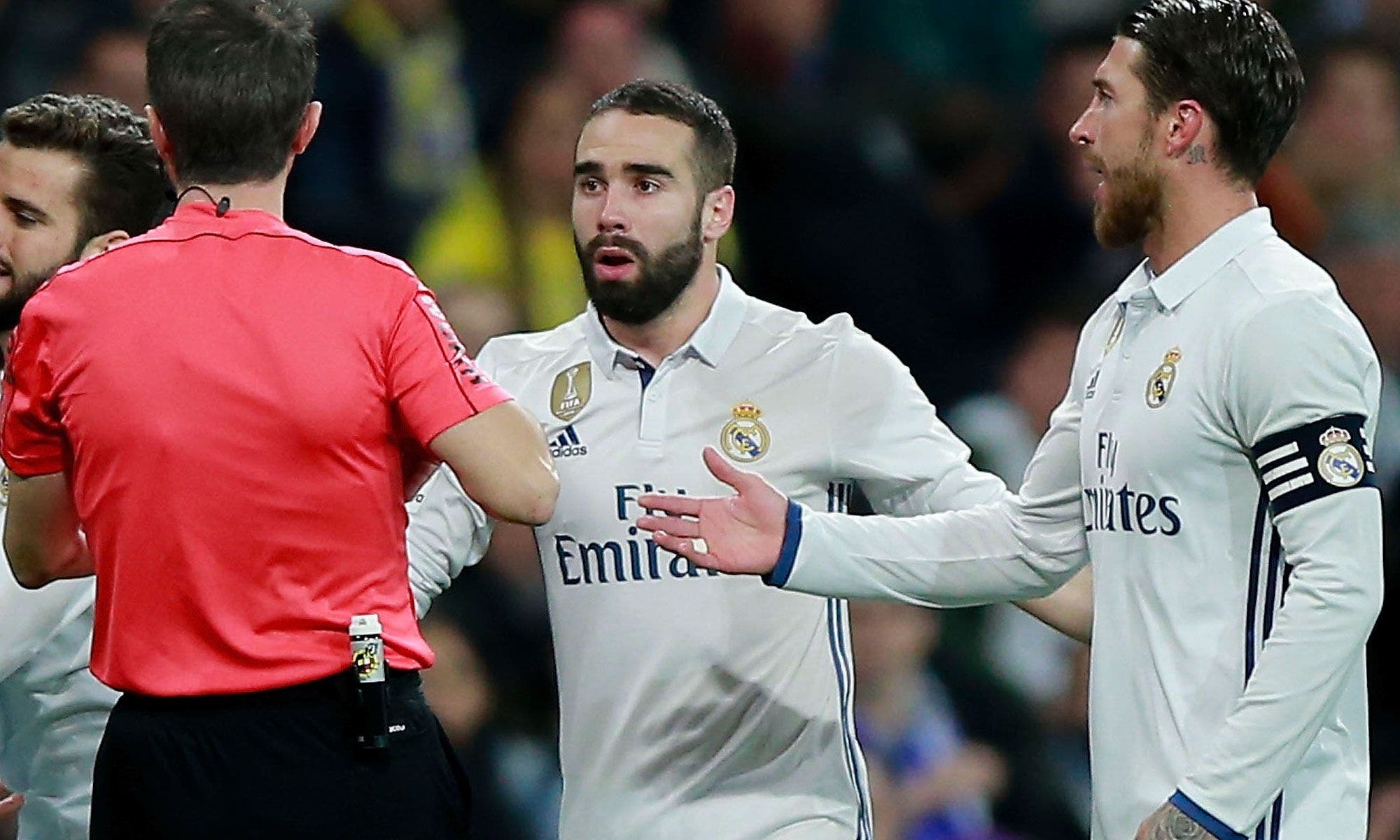
Moving forward, we expect to see clubs invest heavily in “narrative-driven” content. The goal? To turn players into legacy figures who drive global merchandise sales and viewership long after they hang up their boots.
Frequently Asked Questions
Q: Is the era of the “one-club man” officially over?
A: While rare, it isn’t dead. However, it now requires a symbiotic relationship where the player remains highly productive while the club values the intangible leadership qualities that data cannot always measure.
Q: How do injuries impact long-term contract decisions?
A: Historically, injuries were a deterrent. Today, sophisticated medical analytics allow clubs to calculate the risk-reward ratio of an aging player’s recovery, making loyalty a calculated business decision rather than just a sentimental one.
Q: What is the most important trait for a young player today?
A: Beyond technical skill, the ability to adapt to tactical shifts and maintain mental resilience during long seasons is what separates top-tier professionals from the rest.
What do you think is the most important quality for a player to leave a lasting legacy at a massive club like Real Madrid? Share your thoughts in the comments below or subscribe to our weekly newsletter for more deep dives into the business of football.