
Dapagliflozin and Heart Failure Risk in Carriers of Rare Cardiomyopathy Variants
A secondary analysis of the DECLARE-TIMI 58 trial has examined how dapagliflozin affects patients carrying rare cardiomyopathy (CMP) genetic variants. While the broader trial found that dapagliflozin reduced a composite of cardiovascular death and hospitalization for heart failure (4.9% versus 5.8%), this specific study focused on the drug’s efficacy among individuals with pathogenic genetic markers. According to the study design, the research targeted those with type 2 diabetes who were at risk for atherosclerotic cardiovascular disease (ASCVD).
How did researchers identify genetic heart risks?
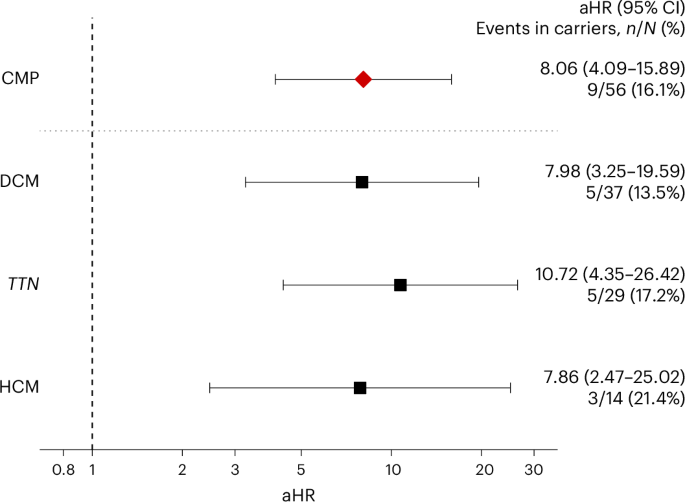
The team performed whole-exome sequencing on 13,184 individuals at the Broad Institute of MIT and Harvard. After strict quality control, 12,685 samples were retained for the final analysis. They looked for “pathogenic” or “likely pathogenic” (P/LP) variants associated with specific types of cardiomyopathy.
Researchers focused on three main categories: dilated cardiomyopathy (DCM), hypertrophic cardiomyopathy (HCM), and arrhythmic right ventricular cardiomyopathy (ARVC). They used the ClinVar database and the Loss-of-Function Transcript Effect Estimator (LOFTEE) to ensure the genetic variants were truly disease-causing.
Why is the focus on hospitalization for heart failure?
Hospitalization for heart failure (HHF) was chosen as the primary endpoint because it showed the most robust treatment effects in the original DECLARE-TIMI 58 trial. Furthermore, heart failure is the clinical outcome most directly linked to cardiomyopathy phenotypes.
By isolating HHF, researchers could better understand if dapagliflozin provides specific benefits to those with a genetic predisposition to heart muscle disease. The study also looked at secondary outcomes, including all-cause mortality and cardiovascular death.
What genes were analyzed in this study?
For DCM, researchers tracked variants in genes such as BAG3, DES, TNNT2, FLNC, PLN, LMNA, MYH7, RBM20, SCN5A, TNNC1, DSP, and TTN. The HCM analysis focused on MYH7, MYBPC3, TNNT2, TNNI3, TPM1, MYL2, MYL3, ACTC1, ACTN2, CSRP3, PLN, TTR, and PRKAG2.
The ARVC category included variants in PKP2, DSP, TMEM43, DSC2, and DSG2. By grouping these into an “omnibus CMP category,” the study aimed to capture the total aggregate burden of pathogenic variation across all these heart-related genes.
What may happen next in heart failure research?
This analysis could lead to a more nuanced understanding of how SGLT2 inhibitors like dapagliflozin interact with heritable heart conditions. It is possible that future clinical guidelines may consider genetic carrier status when prescribing heart failure medications.
A possible next step could involve larger, prespecified trials that specifically recruit patients with these rare CMP variants. Such research may help determine if genetic screening should become a standard part of cardiovascular risk assessment for diabetes patients.
Frequently Asked Questions
What was the primary goal of this secondary analysis?
The study investigated the effect of dapagliflozin specifically among carriers and noncarriers of rare cardiomyopathy (CMP) variants within the DECLARE-TIMI 58 trial population.
How many patients were included in the genetic sequencing?
Exome sequencing was performed for 13,184 individuals, with 12,685 samples ultimately retained after quality control.
What were the primary and secondary outcomes measured?
The primary endpoint was hospitalization for heart failure (HHF). Secondary exploratory endpoints included cardiovascular death, all-cause mortality, and a composite of CV death and HHF.
Do you believe genetic testing should be a standard part of heart health screenings for people with diabetes?