

Data Curiosity: The Key to Unlocking Real AI Value
AI adoption is failing to deliver financial returns for many firms due to poor data foundations. According to PwC, 56% of CEOs report no revenue increase or cost reduction from AI over the last 12 months, while McKinsey finds fewer than 40% of organizations feel a meaningful financial impact despite high innovation rates.
Why is AI failing to produce financial returns?
The gap between AI investment and actual ROI stems from a reliance on tools over data infrastructure. While over 60% of organizations use AI for innovation according to McKinsey, the financial payoff remains elusive for the majority. The issue isn’t the technology’s capability, but the quality of the data feeding it.
PwC data shows a stark reality: 56% of CEOs haven’t seen the promised cost savings or revenue growth. This suggests that many companies treated AI as a “plug-and-play” solution. They pushed low-quality data into advanced models, expecting the AI to fix the underlying mess. It didn’t.
- PwC: 56% of CEOs report zero revenue or cost gains from AI in the past year.
- McKinsey: Fewer than 40% of organizations report meaningful financial impact at the enterprise level.
What is “Data Curiosity” and why does it matter for leaders?
Data curiosity is the leadership ability to question the origin, quality, and logic of the data driving AI outputs. It’s a shift from asking “Which AI model should we use?” to “Is our data accurate enough to trust this result?”
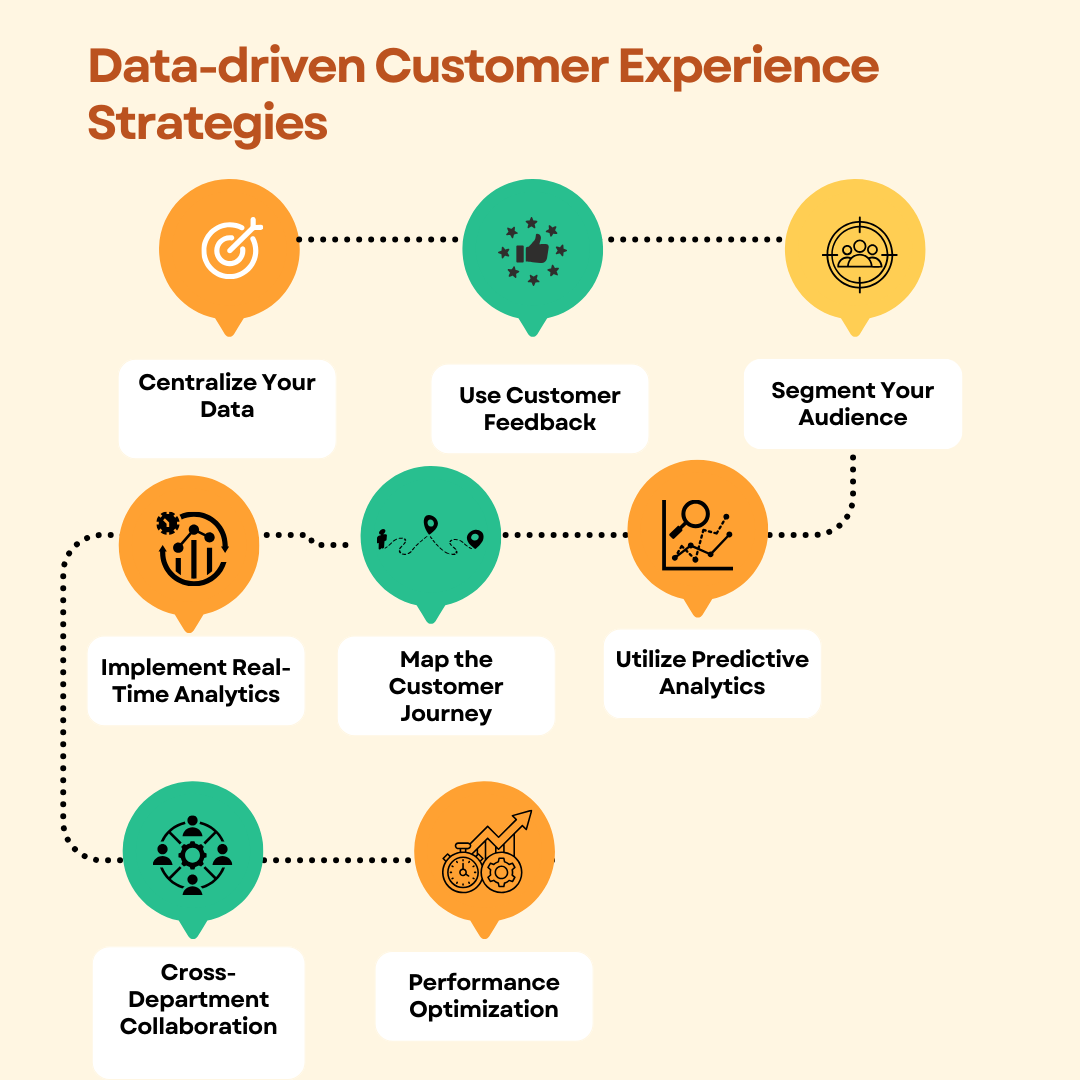
AI acts as a forcing function. It doesn’t create new weaknesses; it exposes existing ones. When AI outputs fail, it reveals gaps in data governance, inconsistencies in reporting, and an overreliance on outdated dashboards. Leaders who lack this curiosity often blame the tool or the model, whereas those with data curiosity investigate the pipeline.
When leaders prioritize this mindset, it trickles down. Employees stop accepting AI outputs at face value. They begin challenging assumptions and verifying results, which prevents the “hallucination” risks associated with generative AI from becoming business liabilities.
How does poor data quality destroy customer experience?
The danger of “garbage in, garbage out” is most visible in customer-facing AI, such as virtual agents. If an AI relies on an outdated knowledge base, it will provide incorrect information with absolute confidence.
For example, a virtual agent handling refunds might cite a policy from three years ago. This doesn’t just fail to solve the problem; it creates new frustration. Research indicates that more than 50% of consumers abandon a brand after just two poor experiences. In these cases, the failure isn’t the AI’s interface—it’s the stale data behind it.
Organizations that apply data curiosity to CX (Customer Experience) identify these gaps early. They don’t just tweak the prompt; they audit the knowledge base to ensure the “truth” the AI is accessing is current and accurate.
How can leaders fix AI outputs and ensure ROI?
To move from experimentation to actual financial impact, leaders must implement a “production” rhythm for AI. This involves moving away from FOMO-driven deployment and toward a rigorous operational framework.

According to industry best practices, leaders should establish four specific checkpoints for every AI initiative:
- Data Lineage: Map exactly where data originates and how it flows through systems.
- Freshness: Audit how often data updates. Stale data leads to confident but wrong AI answers.
- Quality Control: Build mechanisms to detect errors, biases, and “drift” (where AI performance degrades over time).
- Ownership: Assign a specific person responsible for the accuracy of the data feeding the model.
This approach shifts the conversation from the model to the process. When the data foundation is solid, AI can finally deliver the efficiency and insights that drove the initial investment.
Frequently Asked Questions
Why isn’t my AI providing a return on investment?
Most likely due to poor data quality. According to PwC and McKinsey, a majority of firms struggle with ROI because they lack the data governance and “data curiosity” needed to ensure AI is working with accurate, fresh information.
What is the difference between AI literacy and data literacy?
AI literacy is knowing how to use the tools (e.g., prompting). Data literacy is understanding how data is structured, governed, and used to make decisions. You cannot have a successful AI strategy without the latter.
Can AI fix my bad data?
No. AI scales the input it is given. If the input is fragmented or incorrect, the AI will simply produce incorrect results faster and at a larger scale.
Are you seeing a gap between your AI investments and your actual results? Share your experience in the comments below or subscribe to our newsletter for more deep dives into the intersection of leadership and technology.