
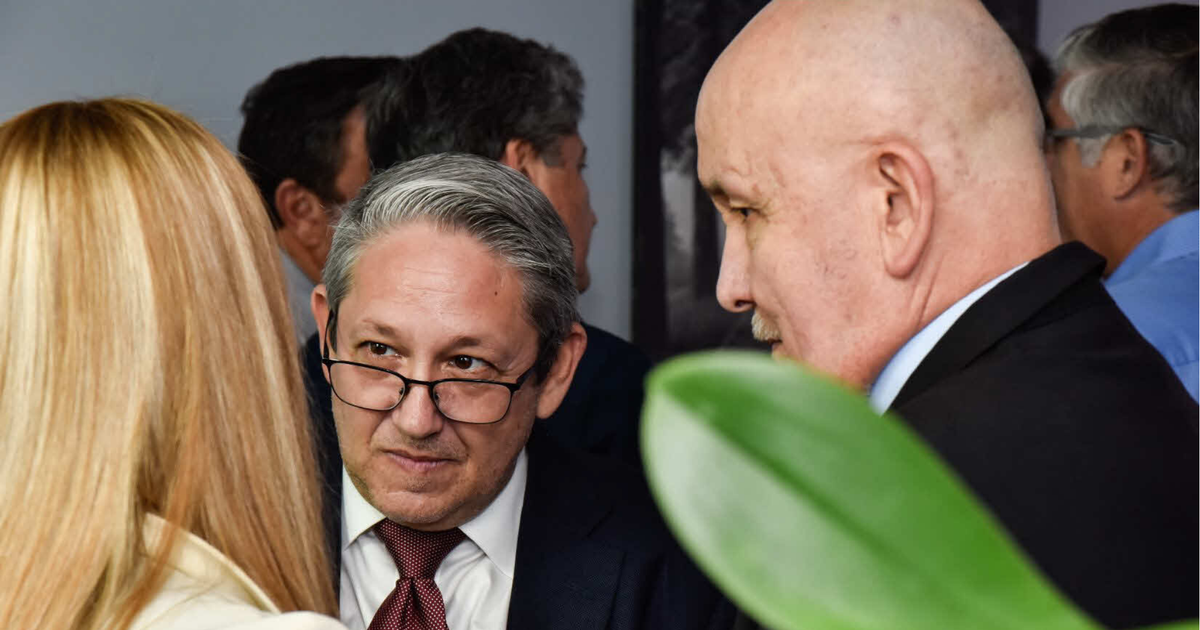
David S. Willig: The Franco-American Attorney Bridging Two Legal Systems
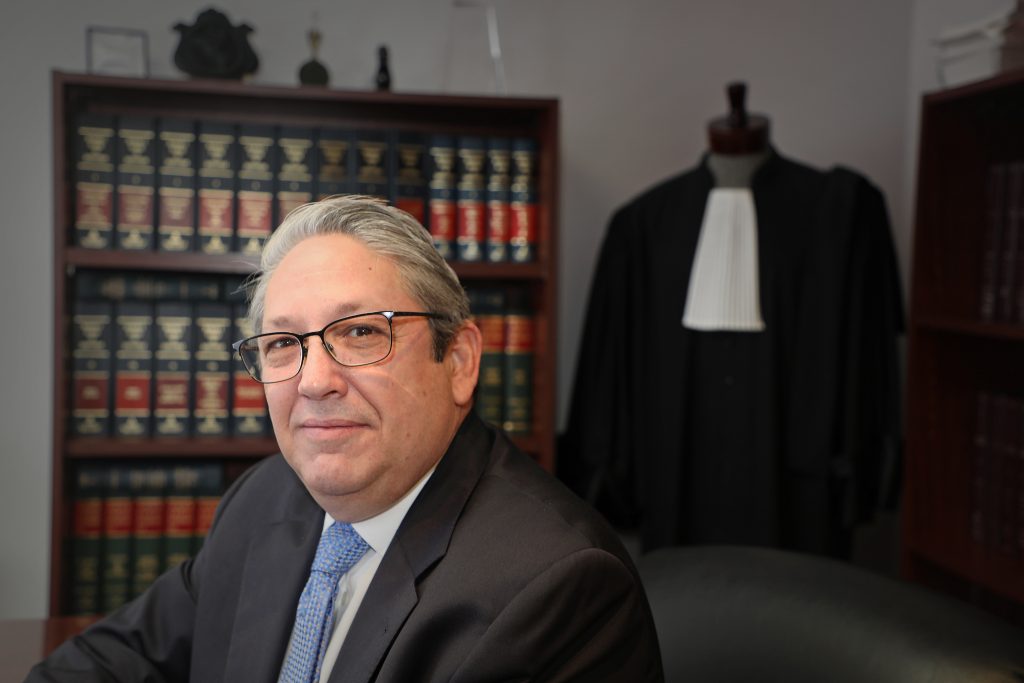
Miami-based attorney David S. Willig serves as a legal bridge between French and American law, leveraging his dual-bar admission to assist francophone clients with cross-border successions, real estate, and intellectual property disputes. As one of the few U.S. lawyers authorized to practice in Paris since 1997, Willig provides expert testimony and counsel in cases where civil and common law traditions intersect.
Expertise in Transatlantic Legal Friction
The practice of law across borders often creates significant risks for clients who assume legal principles are universal. According to Willig, a frequent point of contention involves estate planning; for instance, holographic wills drafted in France are not automatically recognized under Florida law. This fundamental difference in legal systems has forced heirs to navigate complex litigation when assets are held across the Atlantic.

Beyond succession, Willig acts as a legal expert in U.S. courts for disputes involving French corporate structures. In one federal case in Miami, he was authorized to explain the functions of a French economic interest group to a jury, providing necessary context for pre-contractual negotiations conducted in French.
Out of the 97,733 lawyers currently practicing in Florida, David S. Willig is one of only 150 who hold a “Civil-Law Notary” office, a specialized designation that allows him to draft authentic acts under the civilist tradition within the state’s common law environment.
The Role of the Civil-Law Notary
Unlike the standard “Notary Public” common in the United States, which typically requires no formal legal training, the Florida Civil-Law Notary is a credentialed attorney. This status allows Willig to prepare and execute authentic acts—such as property transfers or donations—that are recognized in France. By integrating these services into his legal practice, he enables clients to complete formal requirements without the need for additional travel or procedural validation from French authorities.
The scarcity of dual-qualified practitioners highlights the systemic complexity of international law. For clients, the reliance on a single attorney who understands both the logic of the French civil code and the procedural requirements of Florida’s common law system significantly reduces the risk of “lost in translation” errors that can lead to multimillion-dollar losses or the invalidation of testamentary documents.
Future Implications for Cross-Border Litigation
As international business ties between France and the U.S. continue to evolve, the demand for specialized legal interpretation is expected to remain high. Future cases involving intellectual property and administrative filings—such as the successful registration of Haitian Creole trademarks in the U.S.—demonstrate that linguistic and cultural fluency are becoming essential components of modern legal strategy. It is likely that as cross-border investments grow, courts will increasingly rely on experts who can bridge the gap between distinct legal languages to ensure fair outcomes for international parties.
Frequently Asked Questions
How does a Florida Civil-Law Notary differ from a standard Notary Public?
A Civil-Law Notary is a trained attorney authorized to draft authentic legal acts, whereas a standard Notary Public in the U.S. does not require formal legal training and performs a more limited set of functions.
Why are French holographic wills often problematic in Florida?
Florida law does not recognize holographic (handwritten) wills as valid, which can lead to the invalidation of a decedent’s wishes if they were drafted according to French law without considering local Florida requirements.
Can David S. Willig provide legal representation in both France and the U.S.?
Yes, he is admitted to the bar in both jurisdictions, having been sworn into the Paris bar in 1997 and maintaining an active law practice in Florida.
Have you ever had to navigate legal systems in two different countries for a single business or personal matter?