
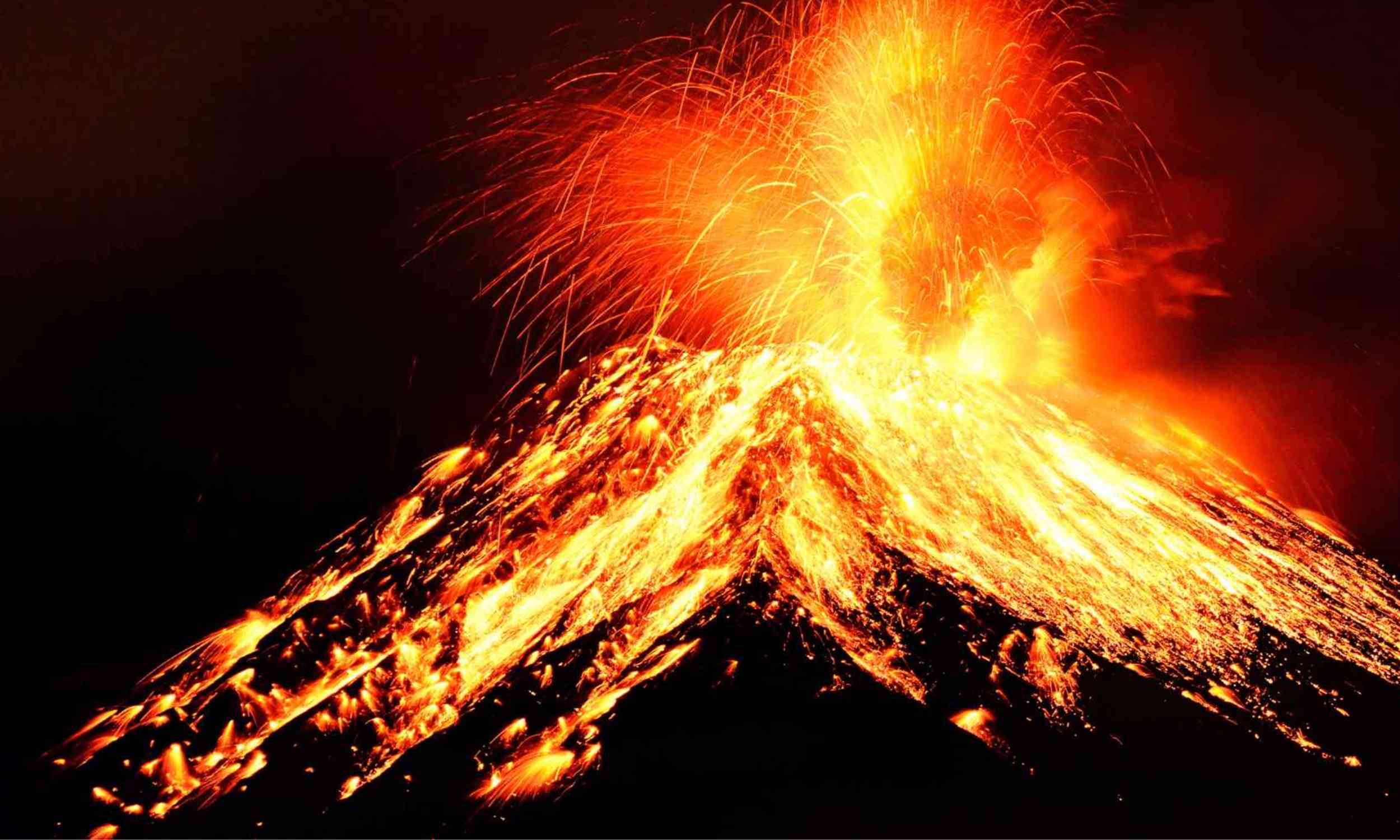
Dead tectonic plates seem to be feeding volcanoes from 400 miles below Earth
Beyond the Heat: The New Era of Deep-Earth Hydrology
For decades, the geological community operated under a relatively simple rule: if you find a massive volcanic plateau in the middle of the ocean, look for a mantle plume. The logic was straightforward—a column of intense heat rises from the depths, melts the crust, and builds a mountain of lava.
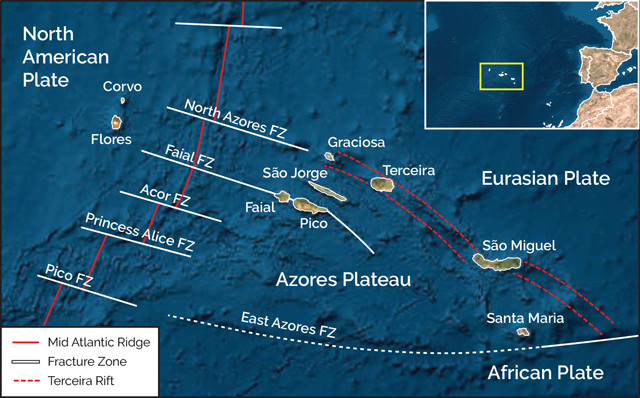
But the discovery at the Azores Plateau is flipping the script. We are now realizing that heat isn’t the only engine driving the Earth’s surface. Water—ancient, recycled water trapped hundreds of miles below our feet—might be just as powerful.
This shift in understanding opens the door to a new frontier in geosciences. We are moving away from a “heat-centric” model of volcanism toward a more complex “chemical-dynamic” model. This means the “ghosts” of ancient oceans, subducted millions of years ago, are still actively sculpting the world we see today.
Mapping the ‘Ghost Oceans’ of the Mantle
The next great challenge for geologists will be mapping the “deep water cycle.” If the Azores Plateau was formed by a migrating ridge tapping into a damp patch of mantle, it stands to reason that other “wet spots” exist across the globe.
Future trends in seismic imaging and geochemical analysis will likely focus on identifying these water-rich reservoirs. By using high-resolution seismic tomography—essentially an MRI for the Earth—scientists can begin to pinpoint where ancient slabs of oceanic crust are resting in the transition zone.
This isn’t just academic curiosity. Understanding where this water is stored allows us to predict where “unconventional” volcanism might occur. We may find that many of the world’s unexplained oceanic rises are not the result of hot spots, but are instead “water-spots.”
The Role of Migrating Ridges
The interaction between mid-ocean ridges and these deep-water pockets is a critical area of study. Unlike a fixed plume, a moving ridge acts like a slow-motion vacuum, drawing up wet mantle material as it drifts. This creates a broader, more distributed volcanic footprint, explaining why some plateaus lack the neat “chain of islands” seen in Hawaii.
Rethinking Volcanic Risk and Resource Discovery
This new perspective on mantle dynamics has practical implications for how we view the Earth’s crust. When we understand that water lowers the melting point of rock (a process known as flux melting), we can better model the stability of various oceanic regions.
this research could revolutionize how we search for deep-sea minerals. Volcanic activity driven by recycled water often carries distinct chemical signatures. These signatures are frequently associated with the transport of rare earth elements and precious metals from the deep mantle to the surface.
By tracking the “wet fingerprints” in basaltic rocks, exploration companies may be able to identify mineral-rich zones that were previously overlooked because they didn’t fit the standard plume model.
The Interconnected Earth: Surface to Core
The most profound trend emerging from this research is the realization of Earth’s “long memory.” The idea that a piece of the ocean floor that sank 200 million years ago can suddenly trigger a volcanic eruption today suggests a deeply interconnected system.
This suggests that the surface of our planet is not just a result of current tectonic movements, but a delayed reaction to events that happened in the deep past. We are essentially living on a planet that recycles its own history.
As we integrate this into our climate and geological models, we may find that the deep water cycle plays a role in long-term planetary cooling and heating, acting as a massive, slow-motion regulator for the Earth’s internal temperature.
For more on how the planet’s interior affects the surface, explore our deep dive into the mysteries of mantle convection or read about the latest breakthroughs in Earth sciences.
Deep Earth Water: Frequently Asked Questions
Why does water make rock melt more easily?
Water acts as a “flux.” It breaks the chemical bonds within the mantle minerals, lowering the temperature at which the rock begins to melt. This allows magma to form even in areas that aren’t exceptionally hot.

Is this “deep water” actually liquid ocean water?
No. At those pressures and temperatures, water isn’t a liquid. It is chemically bound into the structure of minerals (like ringwoodite) as hydroxyl groups (OH). It only becomes “water” in the traditional sense when the rock melts into magma.
How does this differ from a mantle plume?
A mantle plume is driven primarily by thermal buoyancy (extreme heat rising). The Azores model is driven by chemical buoyancy and flux melting (water lowering the melting point), often triggered by a passing tectonic ridge.
Where else could this be happening?
Any region with unusually thick oceanic crust or “off-axis” volcanism—areas where volcanoes appear far from plate boundaries but don’t fit the hot-spot pattern—could be a candidate for this water-driven mechanism.
Join the Conversation
Do you think the Earth’s “long memory” will change how we predict natural disasters? Or are we just scratching the surface of what’s happening beneath us?
Share your thoughts in the comments below or subscribe to our newsletter for more insights into the hidden forces shaping our world!