
Debunking Chinese Military Propaganda: The Truth Behind J-10CE Claims and Satirical Fighter Jet Myths
The Rise of Information Warfare: Why Military Propaganda is Reshaping Global defence
In the digital age, the battlefield has expanded far beyond physical terrain. Today, military superiority is increasingly contested in the digital information space. Recent waves of sensationalized reports—often recycling debunked claims about aircraft capabilities—are not just amateur mistakes; they are calculated components of modern psychological operations (PSYOPS).
As nations vie for multi-billion dollar export contracts, the line between technical analysis and strategic misinformation has blurred. Understanding how these narratives are constructed is essential for anyone following the defence industry.
The Anatomy of a Military “Deepfake” Narrative
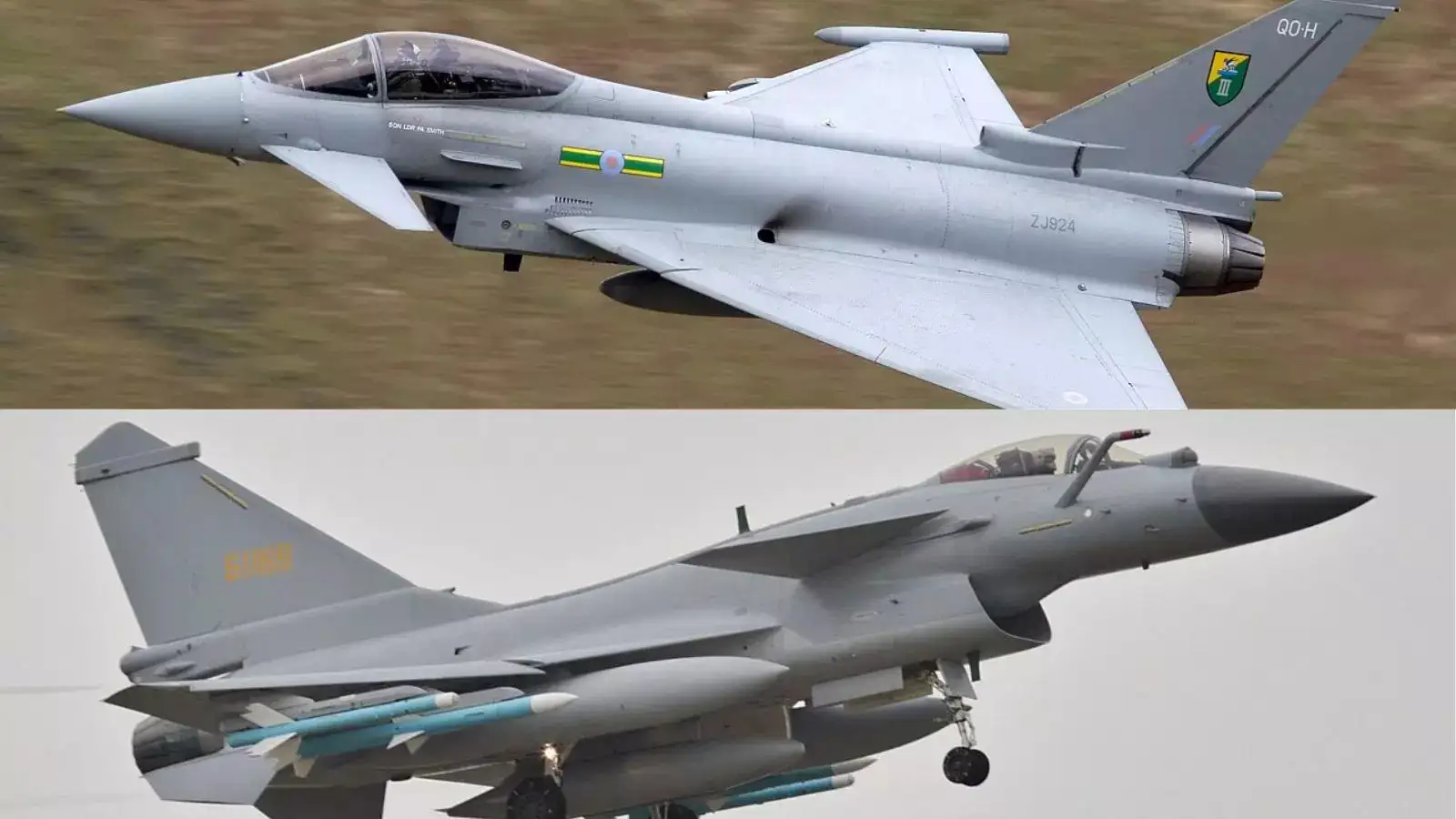
The recent cycle of claims regarding the J-10CE “outperforming” Western platforms like the Eurofighter Typhoon serves as a masterclass in modern disinformation. By recycling outdated, unverified reports and injecting them into niche forums, state-aligned actors create a “feedback loop” that trickles into less rigorous media outlets.

Common tactics include:
- Source Obfuscation: Citing “anonymous military forums” to bypass the need for verifiable evidence.
- Contextual Re-packaging: Taking real training exercises from years prior and presenting them as current, localized events.
- Market-Driven Timing: Launching disinformation campaigns exactly when a country is in the final stages of a procurement decision, such as the ongoing competition for fighter jets in South Asia.
The Shift Toward “Marketing-First” defence Reporting
The defence industry is witnessing a shift where the “narrative performance” of a jet is becoming as important as its flight performance. Countries eager to expand their export footprint are leveraging aggressive social media campaigns to create a perception of technological dominance.
This trend is particularly prevalent in emerging markets. By creating a “buzz” around a platform, manufacturers aim to influence public opinion, which in turn puts pressure on government decision-makers. However, objective metrics—such as radar cross-section (RCS), sensor fusion capabilities, and engine reliability—remain the only true indicators of a platform’s worth. These metrics rarely mirror the headlines found on social media.
Why Transparency Matters in Procurement
The danger of misinformation is not just confusion; it is the potential for flawed procurement decisions. When a nation buys a fighter jet based on fabricated “combat records” rather than verified performance, they risk long-term operational vulnerability.
Did you know? Modern combat aircraft are rarely tested against each other in open air-to-air combat during exercises. Most “victories” reported in the press are based on simulated data from highly controlled environments, which are easily manipulated for propaganda purposes.
Frequently Asked Questions
How can I spot military disinformation?
Look for emotional language, a lack of credible attribution, and claims that contradict established technical specifications. If a report sounds like a movie script rather than a technical briefing, it is likely propaganda.
Are export variants of fighter jets as capable as the original versions?
Generally, no. Most manufacturers “downgrade” export variants by removing sensitive electronic warfare suites or advanced datalink capabilities to protect domestic technological secrets.
Why do countries spread fake news about their military hardware?
To secure export contracts. By creating an illusion of superiority, they make their equipment seem like a more attractive, cost-effective alternative to established Western or Russian platforms.
Staying Informed in an Era of Noise
As we move further into this decade, the volume of military-related content will only increase. Distinguishing between the realities of aerospace engineering and the fiction of digital warfare is a critical skill for analysts and enthusiasts alike.
What is your take on the role of social media in shaping defence procurement? Join the conversation below and let us know your thoughts on how we can better verify the claims we see online.
For more deep dives into aerospace technology and geopolitical strategy, subscribe to our weekly newsletter and stay ahead of the curve.