

Decades after serving as IDF paratrooper, Alaska doctor intends to move ‘home’ – Israel & Jewish News
Dr. Lance Dunlop, a 60-year-old psychiatrist from Fairbanks, Alaska, is transitioning his medical practise to Israel after a distinguished career spanning two different national militaries. A former Israeli paratrooper who served in Lebanon in 1987, Dunlop recently received an honorable discharge from the U.S. Army, where he served as a major.
The transition culminated in Dunlop’s participation in the Nefesh B’Nefesh MedEx event in New Jersey on May 31. He was among more than 350 medical professionals, including nurses, dentists, and physicians from 31 specialties, who are planning to make aliyah in the coming months.
A Dual Military Legacy
Dunlop’s return to Israel in April 2025 occurred while he was serving with the U.S. Army’s Combat Operational Stress Control Unit. This unit specializes in treating soldiers suffering from post-traumatic stress disorder (PTSD).
While stationed at a U.S. Military hospital in Kuwait in 2024 as the officer in charge, Dunlop was reassigned to Israel. This reassignment was driven by his prior service in the Israel Defense Forces (IDF) and his fluency in Hebrew.
During his time serving alongside Israeli troops, Dunlop acted as a cultural liaison. He helped American soldiers navigate Israeli military culture, including the observance of Jewish holidays, and Shabbat.
Addressing the PTSD Crisis
Dunlop has accepted a position at Rambam Hospital in Haifa. His primary focus will be treating PTSD, a need he describes as pressing following the October 7, 2023, attacks.

Beyond his hospital duties, Dunlop plans to serve four days a month in the IDF reserves. In this capacity, he will provide psychiatric care to soldiers and their families.
The need for such services extends beyond recent events. Dunlop noted that some veterans from his original IDF unit from four decades ago are only now coming to terms with PTSD.
The Path to Medical Integration
The MedEx event served as a critical hub for license conversion, with more than 132 applications submitted to the Health Ministry. The event was hosted in partnership with Israel’s Ministry of Health and the Ministry of Aliyah and Integration.

For Dunlop, the process was streamlined through Nefesh B’Nefesh, overcoming difficulties he faced when attempting to secure an Israeli medical license a decade prior. The programme assists doctors with board certifications and licensing paperwork.
Since the launch of the International Medical Aliyah programme, more than 1,100 doctors have made aliyah, including 179 from North America. Similar recruitment events have been held in cities including London, Paris, Sydney, and Toronto.
Future Implications for Regional Health
The influx of specialized medical professionals could lead to a more robust healthcare infrastructure in Israel’s periphery. The continued recruitment of North American physicians may help alleviate the growing physician shortage facing the country.
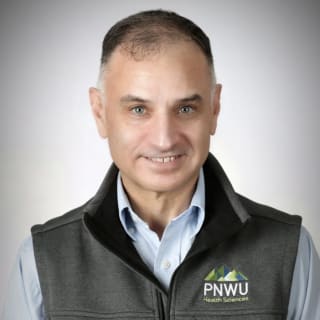
Dr. Dunlop’s transition from Fairbanks—where he believes he was the only Jewish doctor—to Haifa represents a broader trend of medical professionals seeking purpose through relocation. His presence at Rambam Hospital is likely to increase the capacity for trauma-informed psychiatric care in the region.
Frequently Asked Questions
What is the MedEx event?
MedEx is an annual event hosted by Nefesh B’Nefesh in partnership with Israel’s Ministry of Health and Ministry of Aliyah and Integration to help North American medical professionals process licensing and plan their move to Israel.
What is the International Medical Aliyah programme?
Launched in 2024, this initiative aims to bring 2,000 physicians to Israel by 2029 to strengthen the healthcare system, particularly in the south and north of the country.
What specific medical need will Dr. Dunlop address in Haifa?
Dr. Dunlop will treat PTSD at Rambam Hospital and in the IDF reserves, addressing needs arising from the October 7 attacks as well as long-term trauma from previous conflicts.
How do you think the integration of international medical specialists impacts the quality of care in underserved regional hospitals?