
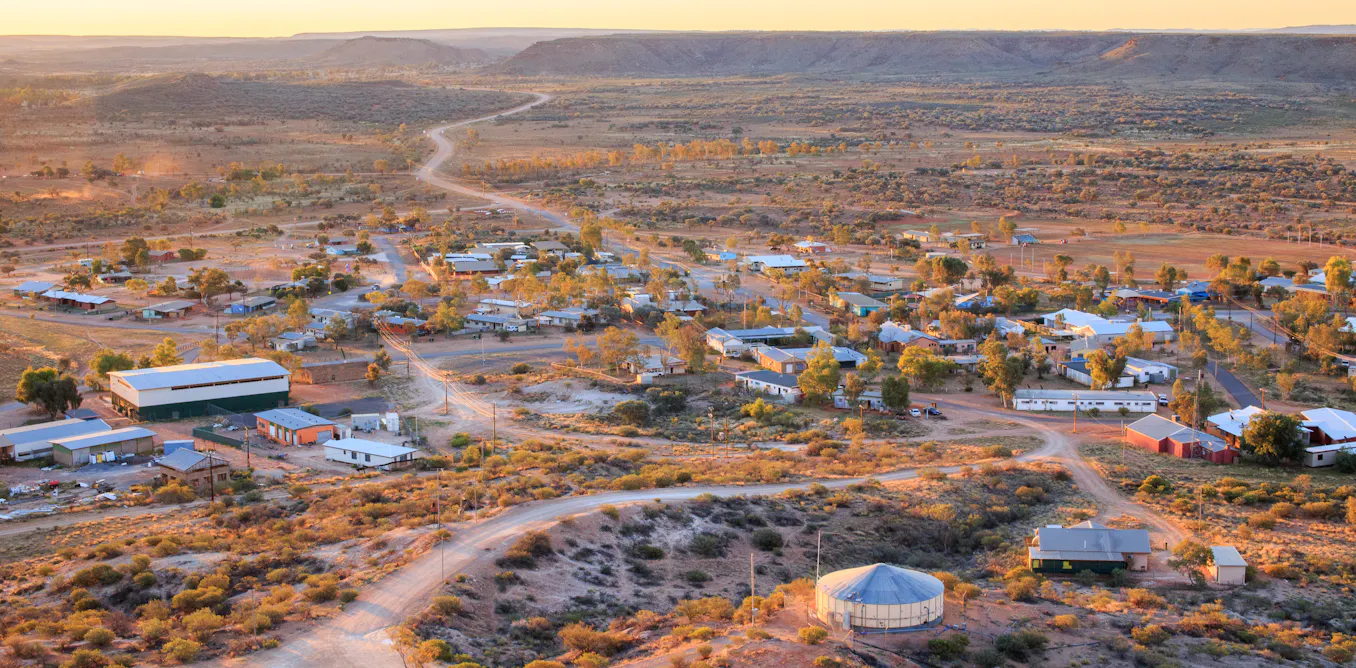
Deep-rooted inequalities are driving the latest diphtheria outbreak. But we can fix them
Australia is grappling with a significant diphtheria outbreak, with cases spreading across four states and a possible fatality reported in the Northern Territory. The outbreak, which has seen over 230 confirmed cases since January 2026, highlights persistent inequities in remote communities, particularly among Aboriginal and Torres Strait Islander populations. The disease, caused by Corynebacterium diphtheriae, spreads through respiratory droplets or contact with infected wounds, with 70% of cases presenting as cutaneous (skin) diphtheria and 30% as respiratory (throat) diphtheria.
The federal government has allocated A$7.2 million to address the outbreak, collaborating with the National Aboriginal Community Controlled Health Organisation. However, the crisis underscores deeper systemic challenges, including inadequate housing, limited access to washing facilities, and underinvestment in preventive healthcare. These conditions contribute to the rapid spread of infectious diseases, exacerbating health disparities in remote areas.
Experts note that overcrowding and insufficient plumbing in remote communities create environments conducive to disease transmission. Basic maintenance issues, such as broken taps or leaking pipes, further hinder hygiene practices, increasing the risk of infections like diphtheria. While vaccine boosters are critical for mitigating severe outcomes, long-term solutions require addressing structural inequities to prevent future outbreaks.
Did You Know? Cutaneous diphtheria, which accounts for 70% of cases in this outbreak, is less severe than respiratory diphtheria but still poses a public health risk due to its potential to spread through skin sores.
Expert Insight: The outbreak reflects a broader pattern of systemic neglect in remote communities, where infrastructure and healthcare access lag behind urban areas. Addressing these disparities is crucial not only for preventing diphtheria but also for tackling related conditions like sepsis and rheumatic heart disease, which disproportionately affect Indigenous populations.
Public health responses must balance immediate interventions, such as vaccination drives, with long-term investments in housing, sanitation, and community-led initiatives. Involving First Nations communities in decision-making has proven effective, as seen during the COVID-19 pandemic, where local leadership improved health outcomes.
Looking ahead, the focus will likely shift to sustaining funding and policy changes that prioritize equitable healthcare. However, without addressing root causes, similar outbreaks may persist, underscoring the need for systemic reform.
Frequently Asked Questions
How many diphtheria cases have been reported in Australia since January 2026? Over 230 cases have been recorded, according to recent data.
What are the two main forms of diphtheria mentioned in the article? The outbreak includes 70% cutaneous (skin) diphtheria and 30% respiratory (throat) diphtheria.
What is the federal government’s response to the outbreak? The government has pledged A$7.2 million to help curb the outbreak, working with the National Aboriginal Community Controlled Health Organisation.
What role do systemic inequities play in the spread of infectious diseases in remote communities?