
Defense Asks Judge to Block Death Penalty in Charlie Kirk Murder Case
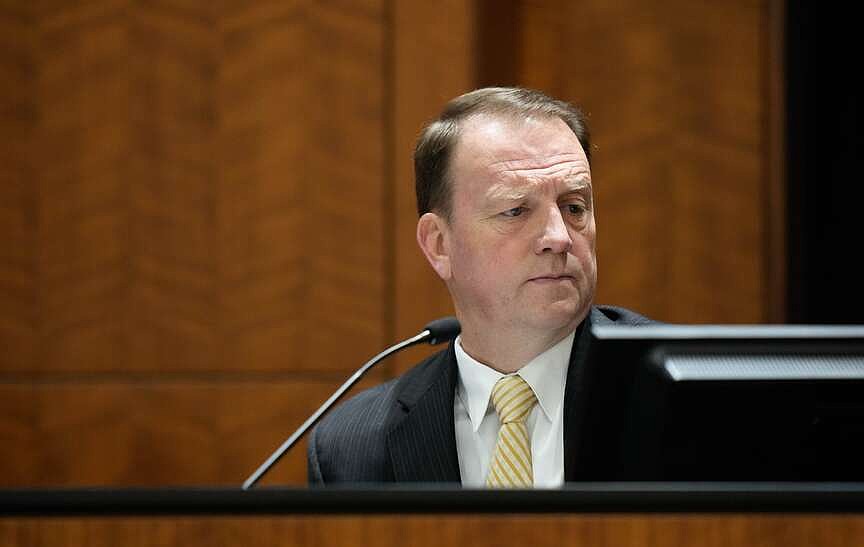
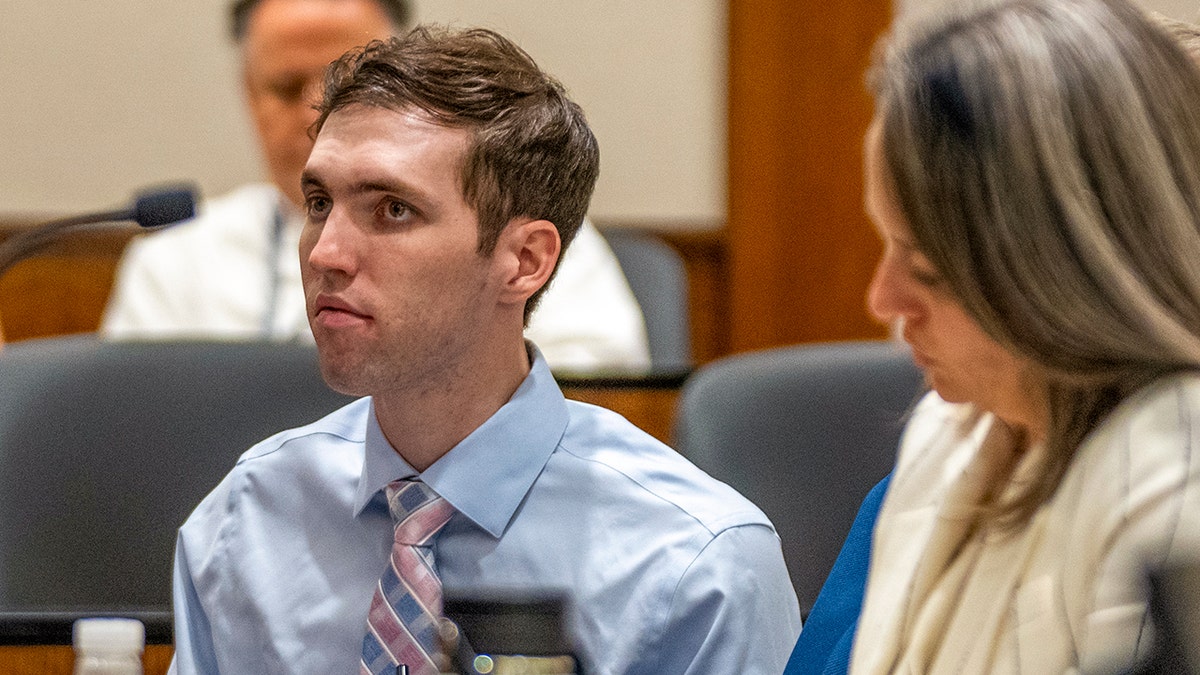
Attorneys for Tyler Robinson, the man accused of the September 10 murder of conservative activist Charlie Kirk, have petitioned a Utah judge to bar prosecutors from seeking the death penalty. The motion, filed Friday in Provo, alleges that prosecutors violated judicial orders by engaging in a “media tour” regarding ballistics evidence linked to the shooting at Utah Valley University.
The Conflict Over Ballistics Evidence
The dispute centers on a bullet fragment recovered from Kirk’s body. Defense attorneys argue that a federal agency’s failure to conclusively link the fragment to the rifle investigators identified as the murder weapon constitutes exculpatory evidence. According to court filings, the defense claims this information tends to absolve Robinson, who has not yet entered a plea to the aggravated murder charge.
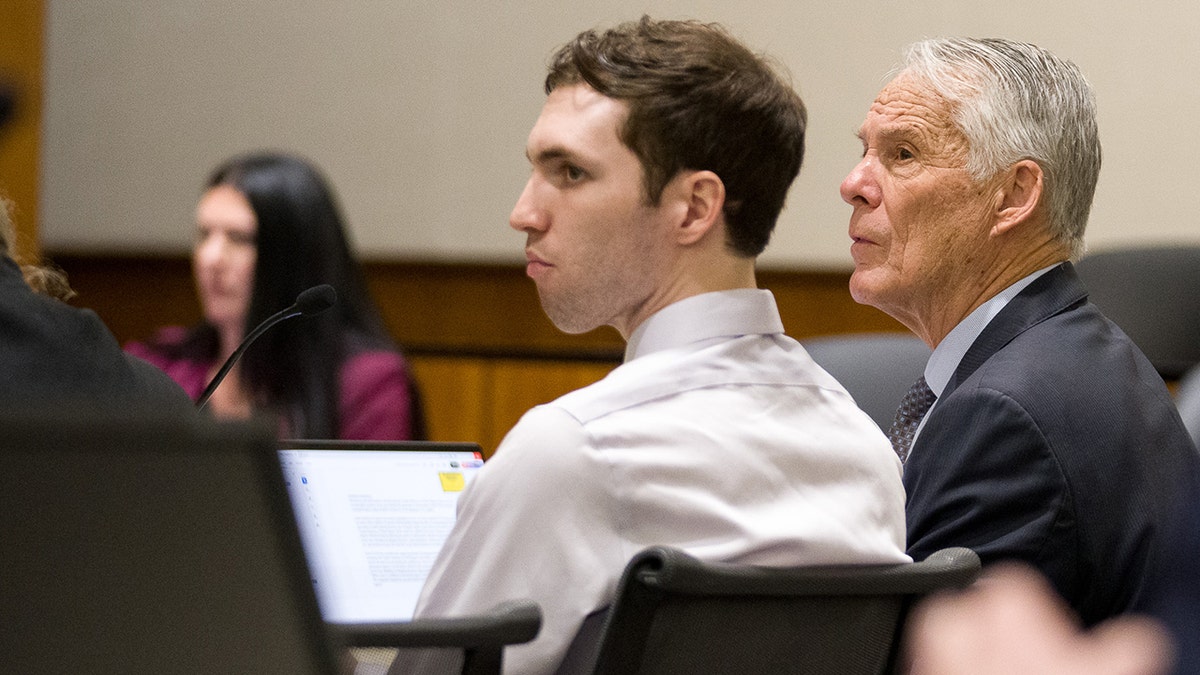
Prosecutors, however, maintain that their public comments were necessary to correct inaccuracies. Deputy Utah County Attorney Christopher Ballard stated in a filing that his office sought to address the “substantial undue prejudicial effect” of media reports, such as a March 30 article in the Daily Mail that claimed the bullet “did NOT match” the rifle. Prosecutors argue that initial ballistics tests were merely preliminary and that DNA consistent with Robinson was found on the rifle’s trigger and associated equipment.
The defense team’s request to remove the death penalty as a potential sentence is based on a precedent where prosecutors in a separate criminal case were accused of contempt, though that judge ultimately declined to bar the death penalty as a remedy.
Legal Consequences and Upcoming Hearings
State District Judge Tony Graf is scheduled to rule on the contempt accusation against the prosecutors on June 22. The legal proceedings remain tense, as Judge Graf denied a defense request on Friday to halt the case while they appeal a prior ruling that permits cameras in the courtroom.
The case is approaching a critical juncture on July 6, when prosecutors are expected to present evidence to justify moving to a full trial. This hearing is widely viewed as the most significant development in the case thus far, as it will require the state to demonstrate the strength of its evidence beyond the ongoing disputes regarding media conduct.
Samantha Carter notes that the defense is employing a high-stakes legal strategy by attempting to tie the prosecution’s media conduct directly to the potential sentencing outcome. By framing the prosecutors’ public statements as a violation of court orders intended to protect the jury pool, the defense is attempting to limit the state’s leverage ahead of the July 6 evidentiary hearing.
Potential Next Steps
Depending on Judge Graf’s June 22 decision, the prosecution’s ability to seek the death penalty could face significant judicial scrutiny. If the court finds the prosecutors in contempt, the defense may leverage that ruling to further challenge the integrity of the state’s case. Conversely, if the court finds that the prosecutors were within their rights to correct the public record, the state will likely proceed with its original sentencing strategy.
Frequently Asked Questions
Why are the defense attorneys seeking to block the death penalty?
Defense attorneys argue that prosecutors violated judge-imposed restrictions on speaking about the case by discussing ballistics reports in the media, and they contend that this conduct warrants a penalty against the state.
What is the status of the ballistics evidence?
According to court filings, a federal agency’s initial tests did not conclusively link a bullet fragment from the victim to the rifle investigators believe was used. Prosecutors maintain these findings were preliminary and that further testing was planned.
When is the next major hearing in the case?
A hearing is scheduled for July 6, during which prosecutors must demonstrate that they have sufficient evidence to move the case to trial.
How might the upcoming evidentiary hearing change the current public perception of the case?