Dell AI Factory with NVIDIA: Scaling Agentic AI with Vera Rubin and Vera CPU
The Shift to Agentic AI: Why the Enterprise Data centre is Becoming the New Frontier
The narrative surrounding Artificial Intelligence has fundamentally shifted. We have moved past the era of simple chatbots and experimental pilots. We are now entering the Age of Agentic AI—where autonomous systems don’t just answer questions, they execute complex, multi-step workflows to solve real-world business problems.

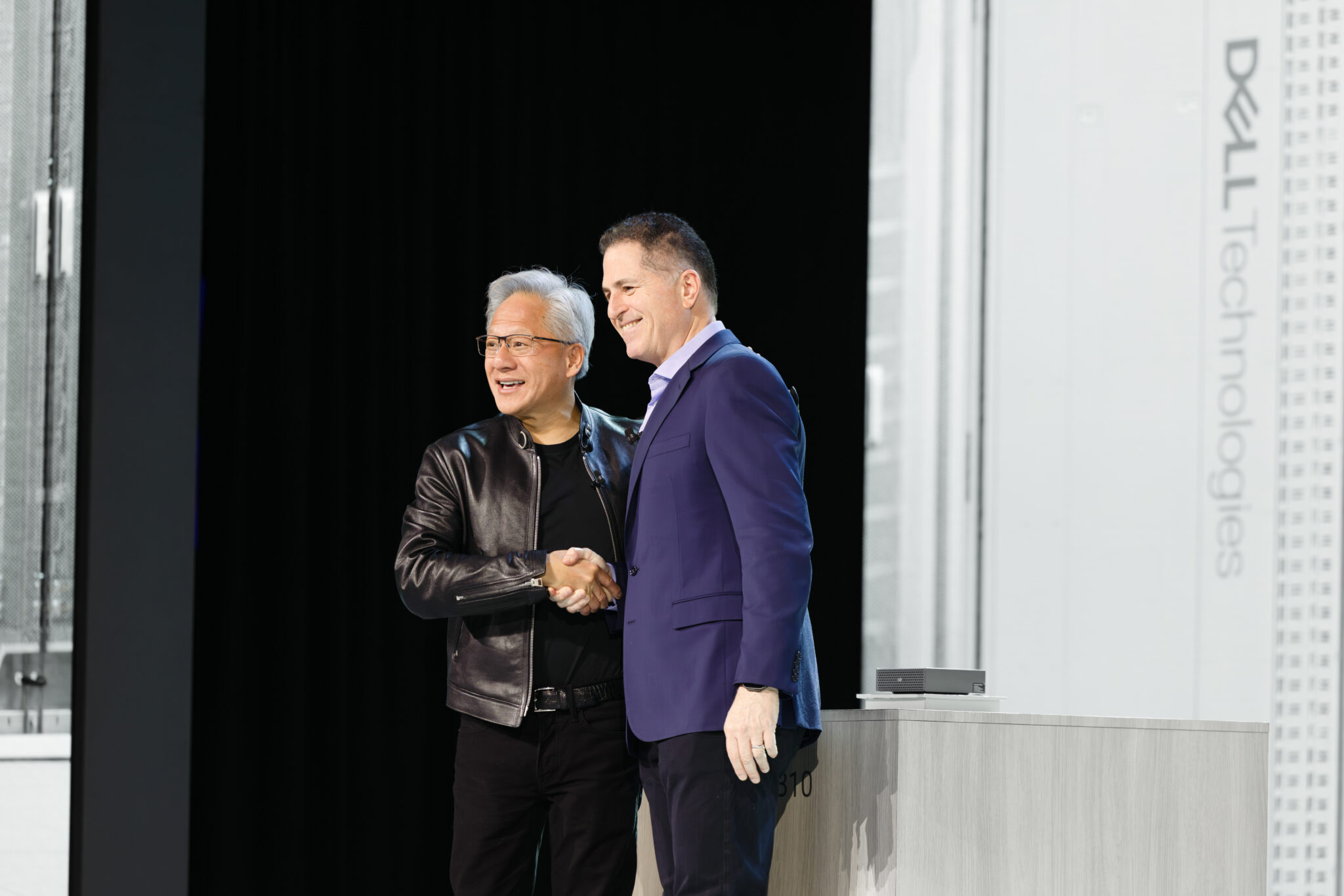
At the recent Dell Technologies World, the message from Dell and NVIDIA was clear: the future of AI is not just about raw power; We see about infrastructure that is secure, localized, and hyper-efficient. With projected worldwide AI infrastructure spending hitting $3-4 trillion by 2030, the race to build the “AI Factory” is officially on.
The Rise of the “AI Factory”
Enterprise leaders are no longer content with relying solely on public cloud providers. Data sovereignty, security, and latency are driving a massive migration toward on-premises AI. Industry data shows that 88% of enterprises are now running at least one significant AI workload within their own infrastructure.
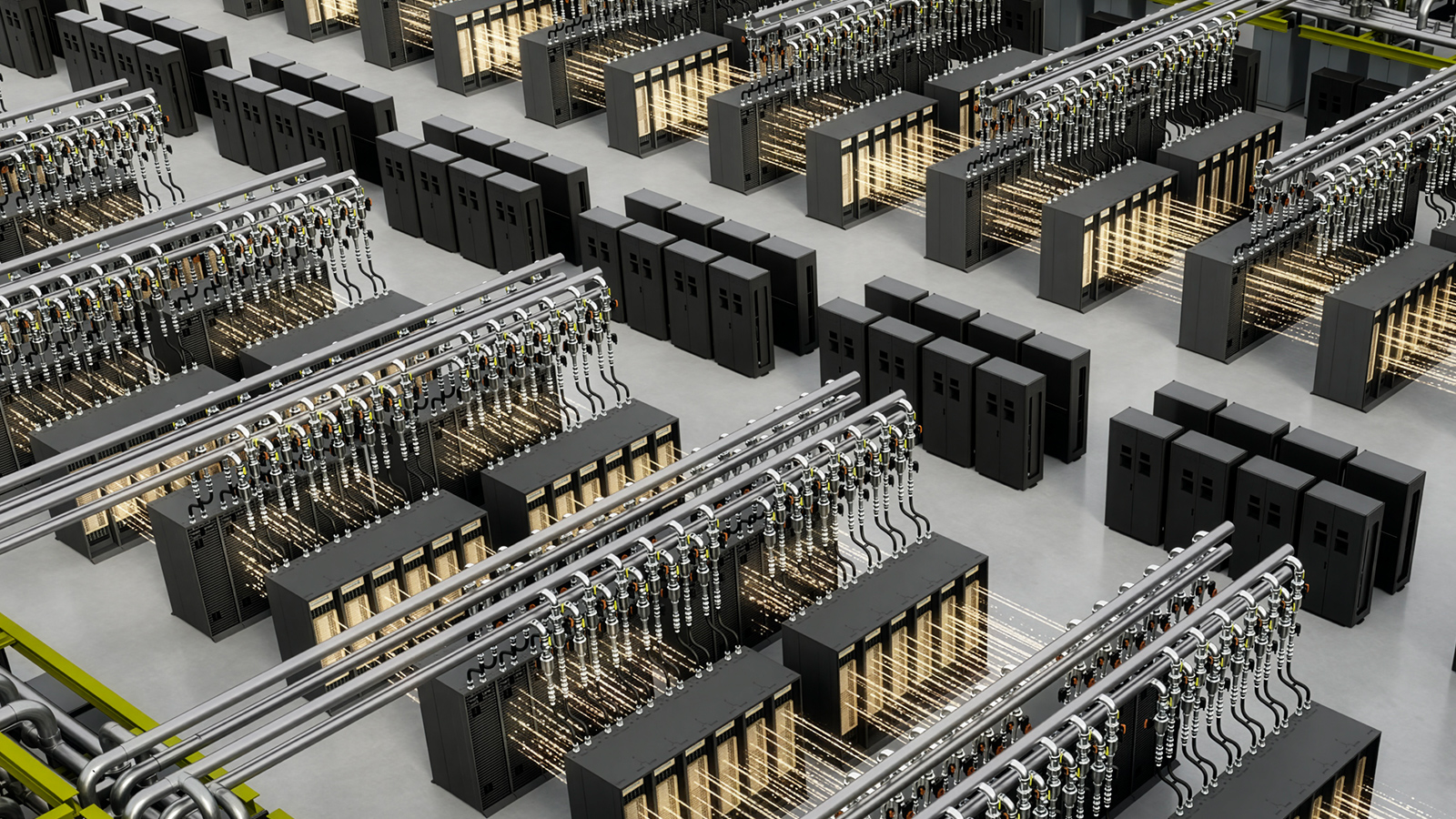
The Dell AI Factory, powered by NVIDIA’s latest hardware, is designed to be the backbone of this transition. By integrating compute, networking, and storage into a single, cohesive unit, companies like Lilly and Samsung are scaling their R&D and manufacturing processes at speeds that were unthinkable just a few years ago.
Why “Agentic” Matters for Productivity
Unlike standard LLMs, agentic AI acts as a digital worker. It handles data pipelines, runs analytics, and interacts with databases autonomously. Because these agents require rapid feedback loops—where one step must finish before the next begins—the hardware requirements are extreme.
New CPU innovations, such as the NVIDIA Vera CPU, are tackling this by providing massive memory bandwidth. This allows agents to “pound” on databases with 3x faster query throughput, effectively turning weeks of manual data processing into mere hours.
Security: The Hidden Pillar of AI Adoption
The biggest hurdle to widespread AI adoption remains the fear of exposing proprietary model weights or sensitive customer data. Confidential computing is the solution that is finally unlocking the boardroom’s “green light” for AI investment.
By using NVIDIA Confidential Computing, enterprises can isolate their AI models and data from unauthorized access, even from the system administrators themselves. This creates a “secure perimeter” that allows firms in regulated industries—like financial services and life sciences—to innovate without compromising compliance.
Future Trends: What to Watch
- Sovereign AI: Nations and large corporations will continue to build internal AI models to maintain control over their digital intelligence.
- Edge Intelligence: As compute becomes more efficient, we will see “deskside” AI agents performing heavy-duty processing locally, reducing the reliance on constant internet connectivity.
- Open vs. Proprietary Models: The ecosystem is favoring a hybrid approach. Enterprises are using open frontier models (like Nemotron or Mistral) for domain-specific tuning, while tapping into proprietary models for general reasoning.
Frequently Asked Questions (FAQ)
- What is Agentic AI?
- Agentic AI refers to autonomous systems capable of performing multi-step tasks, decision-making, and tool-use without constant human intervention.
- Why is on-premises AI becoming more popular?
- Enterprises prefer on-premises infrastructure for better security, lower long-term costs, regulatory compliance, and the ability to keep sensitive data within their own perimeter.
- What is the role of the CPU in an AI Factory?
- While GPUs handle the heavy model training, the CPU manages data pipelines, database queries, and agent orchestration. A fast CPU is essential to prevent bottlenecks in agentic workflows.
Are you preparing your organization for the agentic era? Join the conversation below and let us know: Is your infrastructure ready for the 3,400% jump in token consumption, or are you still relying on legacy systems? Subscribe to our newsletter for more deep dives into the future of enterprise technology.