

Demand rises but training gaps remain
New Zealand’s drug-funding agency, Pharmac, recently rationed menopause hormone therapy (MHT) supplies due to a surge in demand, according to Michelle Wise of the University of Auckland. This increase follows updated long-term data from the Women’s Health Initiative trial and a growing awareness of MHT’s benefits for bone health.
The demand has outpaced manufacturer capacity, leading to temporary supply restrictions. Most patients now receive body-identical hormones, such as progesterone capsules and transdermal estradiol delivered via gel or patches, to manage night sweats and hot flushes, according to Wise.
Why is the demand for menopause hormone therapy increasing?
Greater confidence in long-term data and more open dialogue about midlife health are driving the surge, Wise reports. Women are increasingly aware that MHT provides not only symptom relief but also benefits for bone health.
Estrogen is used to relieve acute symptoms, while progesterone is prescribed to protect the uterine lining and potentially improve sleep, according to the University of Auckland lecturer.
How have clinical guidelines for MHT evolved since 2002?
Current recommendations have shifted toward personalized care. Wise states that MHT is now offered to all symptomatic menopausal women following a discussion of benefits, such as bone health, and risks, primarily breast cancer.

Recent 18-year follow-up data from the Women’s Health Initiative found no difference in overall mortality between those who took MHT for five years and those who took a placebo. Additionally, studies on transdermal gels and patches show little to no association with blood clots or stroke, according to Wise.
Medical practitioners are now advised to use the dose necessary for full symptom relief, with the decision to continue treatment reviewed annually between the patient and the provider.
What gaps exist in medical training and research?
A lack of mandatory education has left many practitioners unprepared to manage menopause. In the UK, four out of ten medical schools do not require menopause education, and a US survey indicated most obstetrics and gynaecology training programs lack menopause modules, according to Wise.
New Zealand faces specific data shortages. There is a lack of high-quality, long-term trials regarding women in perimenopause or those using contemporary MHT regimens, such as the specific patches and capsules currently facing shortages.
While New Zealand released a women’s health strategy in 2023 to prioritize menopause support, Wise reports that some women still feel dismissed by their health practitioners.
What may happen next for menopause care?
Health providers may implement more targeted training, such as the online courses for doctors and nurses recently developed in New Zealand. This could lead to more consistent prescribing practices and better patient communication.
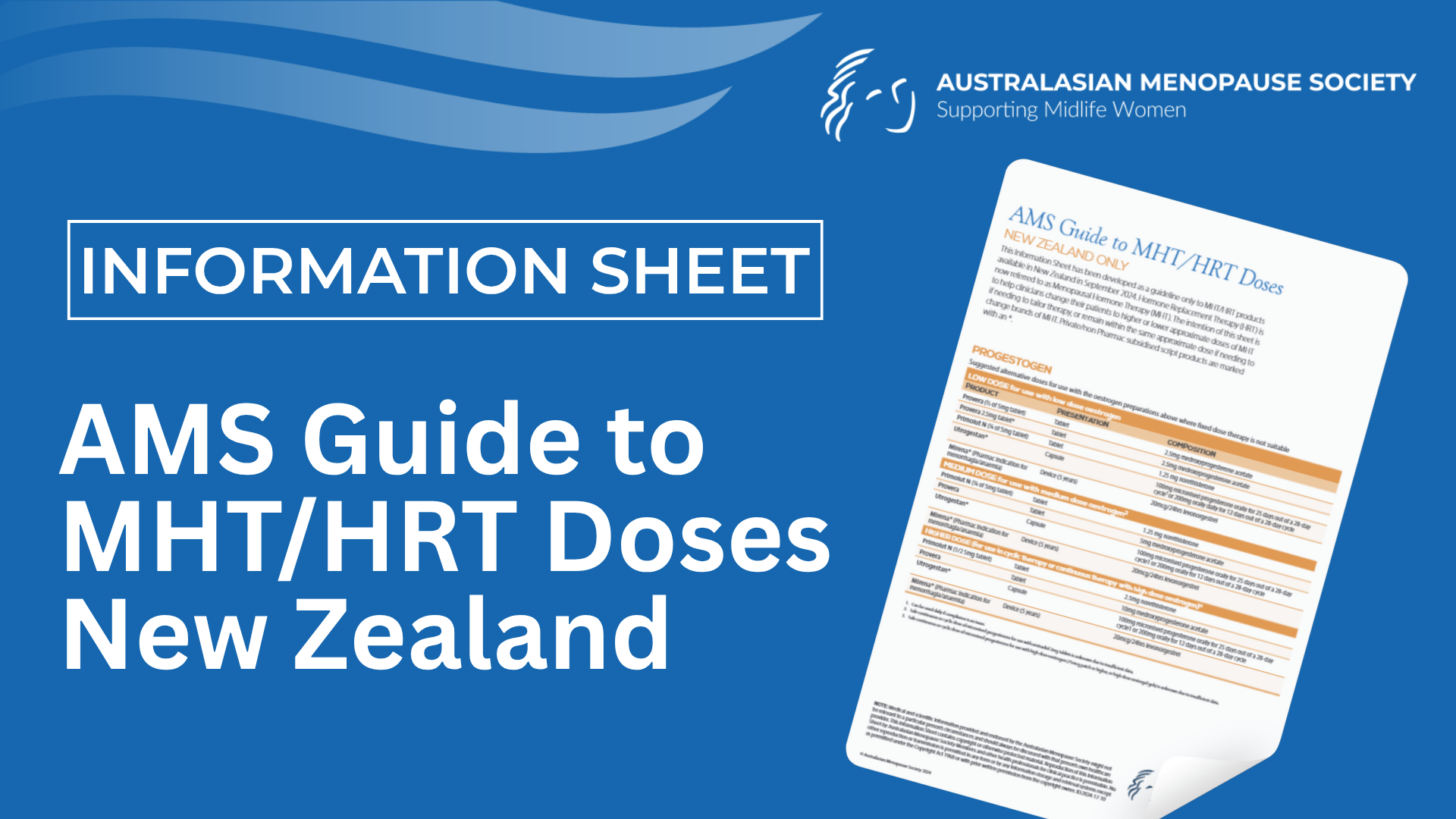
There is a possible next step toward increasing the number of funded MHT options to prevent future rationing. Research may also shift toward New Zealand-specific data to better understand how symptoms affect workplaces and communities.
Frequently Asked Questions
What are body-identical hormones?
They include transdermal estradiol, administered as a patch or gel, and progesterone capsules.
What did the 18-year Women’s Health Initiative data reveal?
The long-term data found that overall mortality did not differ between people who took five years of MHT and those who took a placebo.
Why is progesterone used in MHT?
According to Michelle Wise, progesterone protects the lining of the uterus and may provide benefits for sleep.
How has your experience been with accessing menopause care or information from your healthcare provider?