
Dengue Fever Surges in Vietnam Amid Unpredictable Outbreak Patterns
Vietnam is experiencing a sharp, unpredictable rise in dengue fever cases, with over 50,000 infections and five deaths recorded since the start of 2026. Health officials report that infection rates during the first months of the year are 2.5 times higher than the same period in 2025, signaling a more intense and earlier viral circulation than previously documented.
The dengue virus is increasingly defying traditional seasonal patterns. In 2025, health authorities noted that case numbers remained high through November and December, failing to show the typical year-end decline previously observed by medical experts.
Why the dengue cycle is changing
According to Vo Hai Son, director of the Department of Disease Prevention at the Ministry of Health, the virus is breaking away from historical epidemiological trends. The shift is driven by a combination of climate factors, specifically the alternating periods of intense heat and prolonged rainfall that accelerate the proliferation of the mosquito vector.

Angela Pratt, the World Health Organization (WHO) representative in Vietnam, identifies three primary drivers for this global progression: rapid urban growth in densely populated areas, climate change, and the inherent unpredictability of the disease. Furthermore, the current dominance of the DENV-2 serotype is linked to a higher frequency of severe clinical outcomes and increased hospital admissions.
The spike in cases suggests that traditional seasonal prevention strategies may no longer be sufficient. As public health experts emphasize, the combination of high urban density and shifting weather patterns requires a move toward early, proactive surveillance rather than reactive measures, as the virus now maintains a year-round presence.
What to expect in the coming months
Health authorities anticipate that the risk of rising infection numbers will persist throughout the upcoming months. In Hanoi, where construction sites and temporary housing create high-density environments, 337 cases have already been reported this year, compared to 282 in the same timeframe last year.
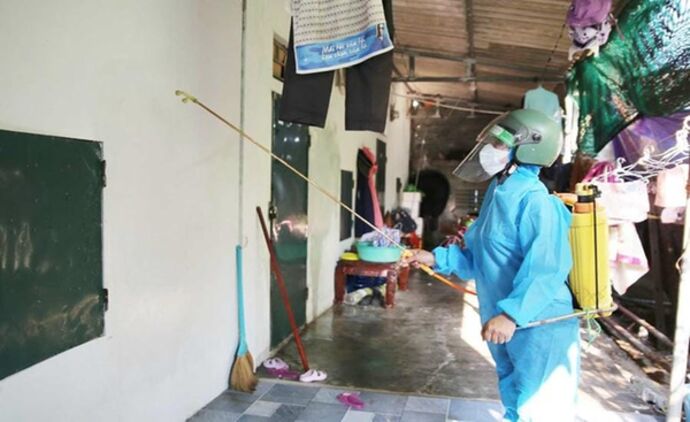
While a vaccine has been authorized and pilot programs are being prepared for potential integration into the national immunization schedule, officials stress that technology cannot replace basic vector control. The Ministry of Health continues to promote the “No larvae, no dengue” campaign, urging citizens to eliminate standing water weekly to mitigate the risk of further outbreaks.
Frequently Asked Questions
What is the most effective way to prevent dengue?
The Hanoi Center for Disease Control states that the most effective measure is the regular, manual elimination of mosquitoes and their breeding sites (larvae) around residential areas.
Are there new treatments available?
Vietnam has authorized a vaccine and is currently preparing a pilot phase to evaluate its feasibility for the national vaccination program. Additionally, the country has launched clinical trials for a new oral antiviral medication.
When should someone seek medical help?
The Ministry of Health advises that anyone experiencing a high fever that persists for more than two days should consult a medical professional immediately.
What steps are you taking in your home to eliminate potential mosquito breeding grounds?