

Denodo Launches Agora on Microsoft Marketplace to Power Agentic AI
The Rise of Agentic AI: Why Data Sovereignty Is the New Frontier
We are witnessing a fundamental shift in how enterprises interact with their data. The era of static dashboards is fading, replaced by agentic AI—autonomous digital workers capable of reasoning, planning and executing tasks across complex, fragmented IT environments. However, the true hurdle for these agents isn’t just intelligence; it’s access to the right data at the right time.
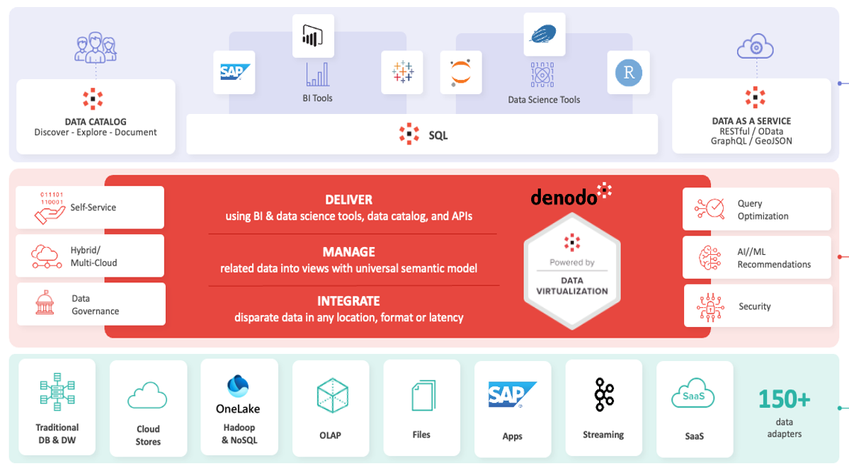
With the integration of platforms like Denodo’s Agora into the Microsoft ecosystem, the industry is moving toward a “logical data fabric” model. This approach solves the age-old problem of data silos, allowing AI agents to pull real-time insights from legacy on-premises systems, SaaS applications, and cloud data lakes simultaneously.
Bridging the Gap Between AI and Fragmented Data
Most AI deployments fail because they are “data-starved” or restricted to a single cloud environment. When an agent is confined to a closed system, it lacks the context required for high-stakes decision-making. By creating a semantic layer that spans across non-Microsoft sources like SAP, Oracle, and Salesforce, organizations can finally provide their AI models with a “single source of truth.”
Why Agentic AI Needs a Semantic Foundation
Data without context is just noise. Agentic AI requires more than just raw numbers; it needs to understand the business logic behind them. By utilizing a semantic layer, companies can ensure that both a human analyst using Power BI and an autonomous Microsoft Copilot agent interpret “revenue” or “customer churn” exactly the same way.
This consistency prevents the “hallucination” issues common in large language models (LLMs). When agents rely on a governed, real-time data flow, their output becomes actionable, auditable, and compliant with regional data sovereignty regulations—a massive win for industries like finance and healthcare.
The Future of Multicloud Orchestration
The future of enterprise tech is undeniably hybrid and multicloud. Recent industry reports suggest that over 80% of organizations now operate in a multicloud environment. The challenge, however, is managing security and latency across these boundaries.
Integrating tools like Agora directly into the Microsoft Marketplace simplifies procurement, but more importantly, it allows IT teams to enforce Attribute-Based Access Control (ABAC) across the entire stack. This means security policies are no longer applied per-platform but per-data-asset, regardless of where that data resides.
Frequently Asked Questions (FAQ)
- What is Agentic AI?
Agentic AI refers to systems capable of setting their own goals, breaking them into tasks, and executing them autonomously to reach a desired outcome, rather than just answering questions. - How does a logical data layer help with AI?
It provides a secure, real-time view of data across multiple sources without needing to physically move or replicate the data, reducing latency and security risks. - Is data sovereignty still a concern with cloud AI?
Yes. By using tools that integrate with existing security frameworks like Microsoft Entra ID, companies can maintain strict governance and compliance even while utilizing cloud-based AI services.
What’s Next for Your Data Strategy?
The barrier to entry for advanced AI is lower than ever, but the complexity of data management is higher. Success in the next three years will be defined by how well you connect your existing legacy infrastructure to the modern, agentic AI revolution. Is your data architecture ready for the agentic era?
Have thoughts on how your industry is handling the transition to agentic AI? Leave a comment below or subscribe to our weekly tech insights newsletter to stay ahead of the curve.