
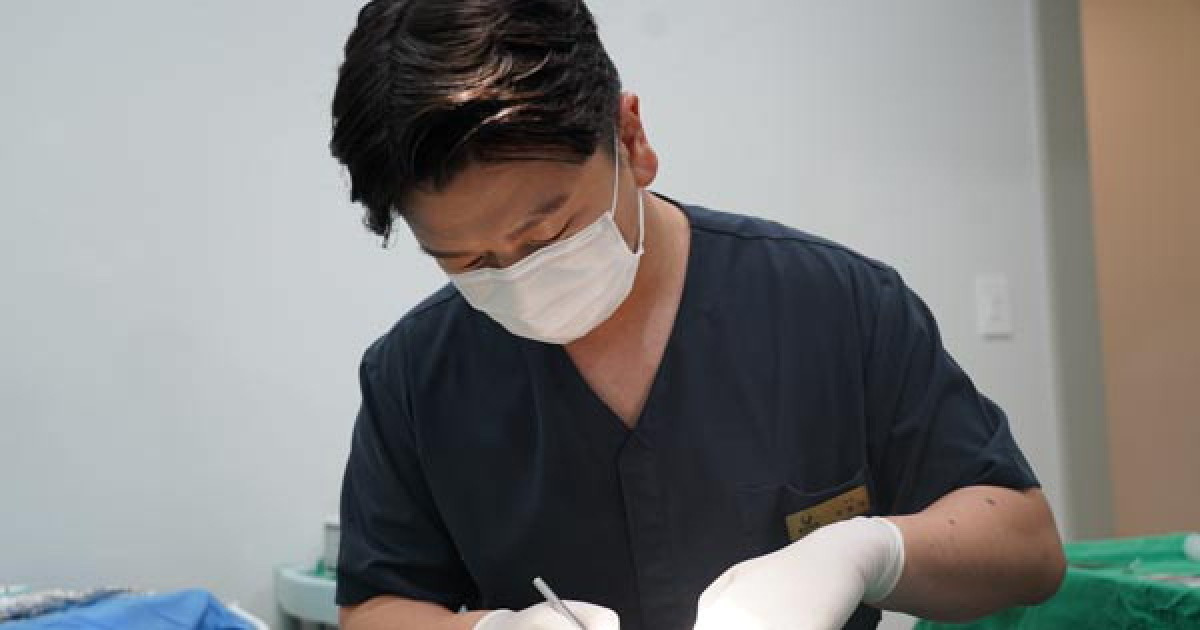
Dental Implant Bone Grafting: Ensuring Long-Term Success and Stability
Dental implants combined with alveolar bone grafting show a 97.83% success rate, according to data from Israel’s Maccabi Health Services. Dr. Ha Jung-sik of Busan Plan Dental Hospital notes that while the procedure is highly effective for patients with insufficient jawbone, 70% of failures typically occur within the first year post-surgery.
Insufficient jawbone density often prevents patients from receiving immediate implants. Dr. Ha explains that bone loss occurs naturally after tooth loss or is accelerated by long-term denture use, which applies pressure to the gums. Without enough bone, titanium artificial roots can become exposed or loosen under pressure.
Why is bone grafting necessary for implants?
Alveolar bone grafting reconstructs the foundation needed for an implant to remain stable. Dr. Ha states this “basic construction” induces bone cell regeneration in deficient areas. While patients previously relied on their own bone (autografts), modern options include sterilized allografts, xenografts, and synthetic bone materials.
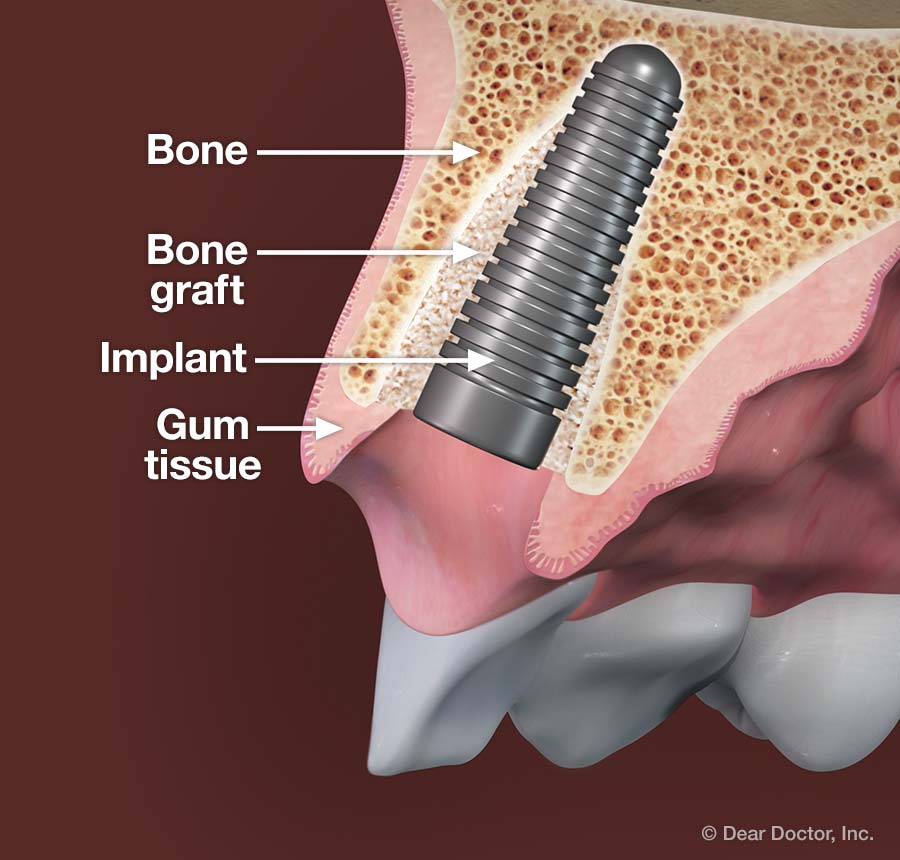
The procedure restores a normal planting environment. According to the Maccabi Health Services data, this restoration is what allows for the high 97.83% success rate, countering patient fears that non-natural bone is less stable than original bone.
What happens during the critical first year?
The first 12 months are the most volatile period for bone-grafted implants. Dr. Ha reports that 70% of all failure cases happen during this window. This occurs because implants lack a periodontal ligament, the tissue that protects natural teeth from bacterial invasion.
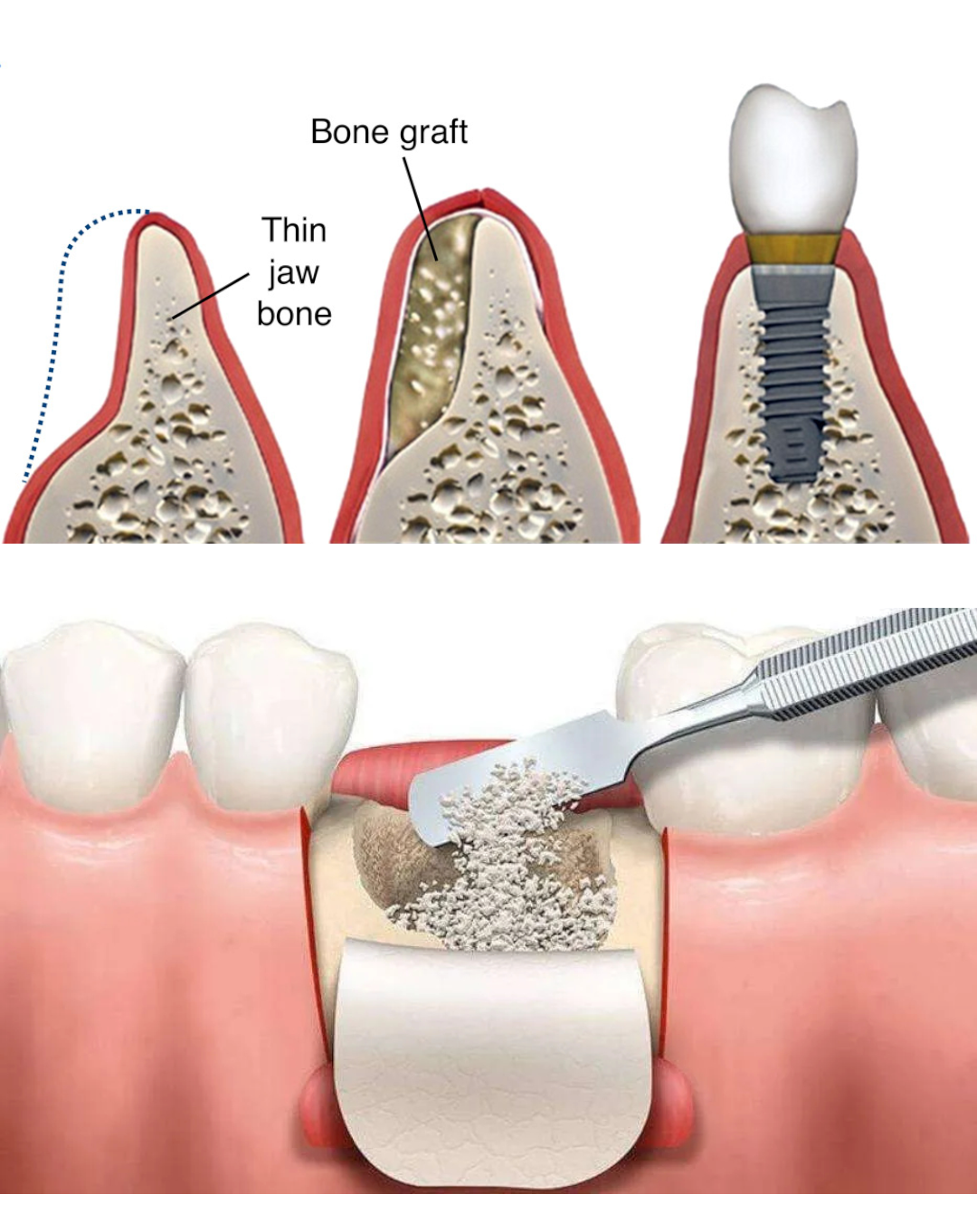
During this transition, the grafted bone must fuse with the patient’s natural bone and the surrounding gum tissue must stabilize. Dr. Ha warns that smoking or poor oral hygiene during this phase can lead to peri-implantitis, which may require the implant to be removed.
How does a sinus lift work?
A sinus lift is required for upper jaw molars when the maxillary sinus—an air-filled pocket—drops due to tooth loss. Dr. Ha describes the process as carefully lifting a thin membrane, similar to an eggshell, to create space for bone graft material.
Precision is mandatory during this procedure. Dr. Ha states that if the membrane tears, it can lead to serious infections such as sinusitis. This makes a deep understanding of anatomical structures essential for the operating surgeon.
How do medical conditions affect bone graft success?
Systemic health directly impacts “initial osseointegration,” the process where bone and implant fuse. Dr. Ha identifies three primary risk factors:
- Diabetes: Poor blood sugar control can lower immunity and slow the bone healing process.
- Osteoporosis: Long-term use of bisphosphonates may cause jaw necrosis, requiring a medication “holiday” or medical intervention.
- Cardiovascular Disease: Patients taking blood thinners like aspirin require strict medication adjustments to prevent bleeding complications.
Because these procedures are precise surgical operations, Dr. Ha suggests that a 1-on-1 aftercare system involving regular scaling and check-ups is necessary to maintain the implant for decades.
Frequently Asked Questions
Does using synthetic or donated bone lower the success rate?
No. According to data from Maccabi Health Services, implants using bone grafts had a success rate of 97.83%, proving that restoring the planting environment is more important than the bone source.
Why is the first year after surgery so important?
Approximately 70% of failures occur within the first year because implants lack a periodontal ligament and are highly susceptible to infection while the bone is still fusing.
What is the risk associated with a sinus lift?
If the thin membrane of the maxillary sinus is torn during the procedure, it can cause severe infections, including sinusitis.
Do you prioritize the surgeon’s technical experience or the clinic’s long-term aftercare system when choosing a dental provider?