

Denver Health face losses with state, federal Medicaid changes
Denver Health earned $49 million in 2025, achieving a roughly 3% profit margin according to CEO Donna Lynne. This recovery follows a $35 million loss in 2022, though Lynne warns that impending state and federal Medicaid cuts could neutralize these gains and impact patient care across Colorado.
Why did Denver Health’s financial position improve?
A .34% sales tax approved by city voters in 2024 raised approximately $65 million to fund uncompensated care and non-profitable services, according to CEO Donna Lynne. This revenue stream was a primary driver of the 2025 results.

The hospital’s 3% margin is considered positive for a safety-net facility, as it allows for investment in services and deferred maintenance. This follows a period of instability in 2022 and 2023, where emergency state funds and donations from other health systems helped offset losses.
What state and federal cuts are expected?
Colorado will reduce Medicaid rates for most providers by 2% starting in July, which Lynne says will lower Denver Health’s revenue by about $15 million. State lawmakers implemented the cut to address a $1.5 billion budget gap.
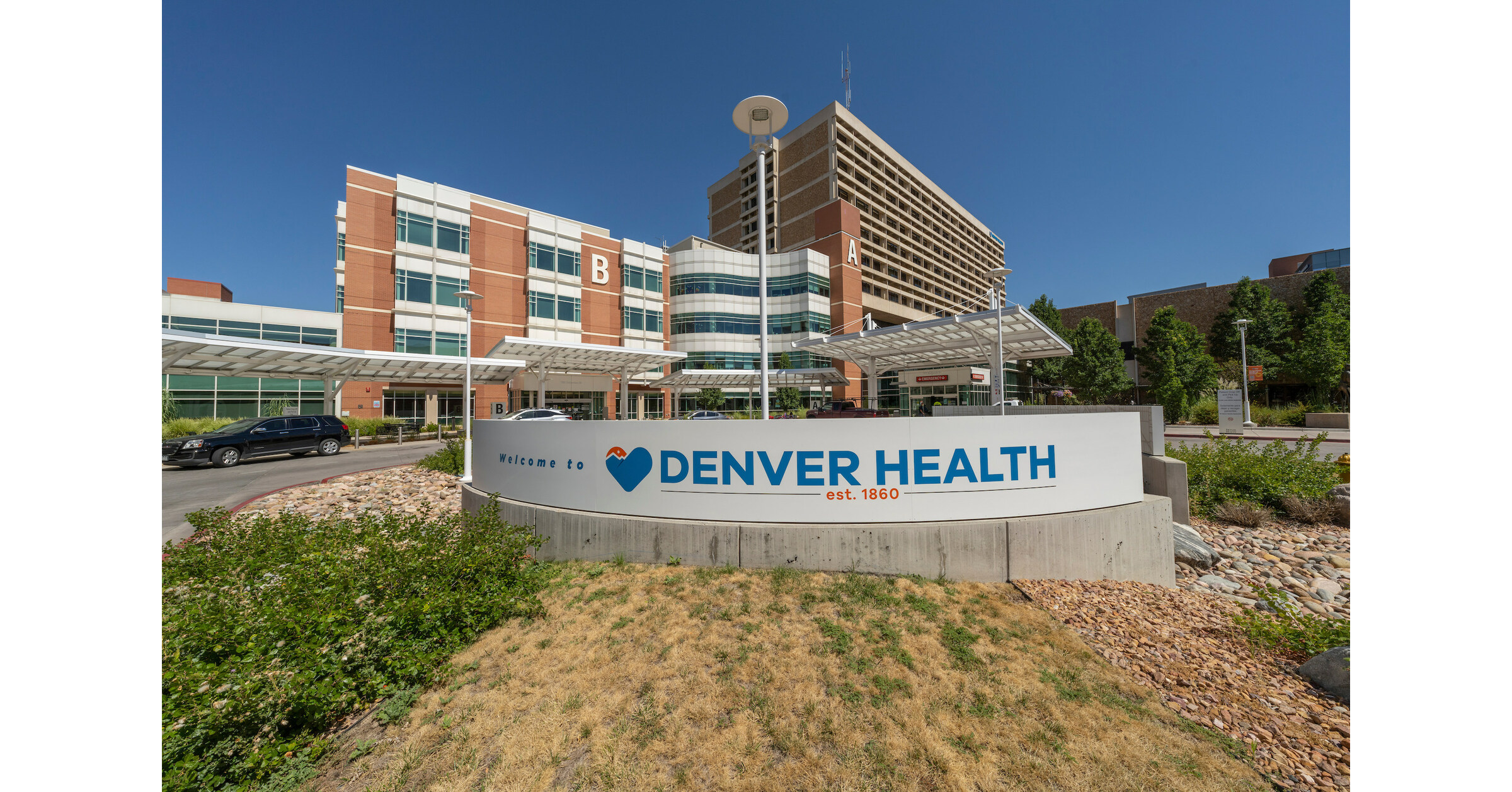
Federal changes are also expected to impact eligibility. Starting in October, most legal immigrants without green cards will no longer qualify for Medicaid, which Lynne predicts could leave at least 1,000 patients without insurance.
Additional pressures include work requirements under H.R. 1, scheduled for Jan. 1, and a mandated drop in state provider fee rates starting in October 2027. Lynne projects that when H.R. 1 is fully implemented, Denver Health could lose about $65 million, effectively canceling out the gains from the local sales tax.
How are Colorado’s rural hospitals responding?
St. Vincent Health in Leadville reported preliminary 2025 figures showing a profit of about $1.2 million, according to CEO Bubba Bartlett. The hospital recovered from a 2022 crisis that required an emergency grant from Lake County to cover payroll.
Delta Health on the Western Slope lost about $5 million in 2025 but reported a $500,000 profit in the first four months of this year, according to interim CEO Nicholas Colleran. To save money, the system closed its labor and delivery unit and opted not to replace retired administrators.
Colleran warned that losing Medicaid patients could cost Delta Health $3 million to $4 million annually. This is because the hospital relies on the federal 340B program for discounted prescription drugs, a subsidy that depends on the percentage of inpatients covered by Medicaid.
What are the broader industry pressures?
Expenses are growing faster than revenues for the hospital industry as a whole, according to Tom Rennell, senior vice president of financial policy and data analytics at the Colorado Hospital Association.

Rennell attributed this pressure to the need for increased staffing to manage more inpatients and higher supply costs driven by tariffs. He stated that while expenses are rising, revenue streams are not improving.
Over the next five years, Denver Health expects approximately 20,000 patients may lose coverage. Lynne noted that this could lead to patients seeking expensive emergency care only after conditions become uncontrollable.
Frequently Asked Questions
How much did the new sales tax generate for Denver Health?
The .34% sales tax raised about $65 million to pay for uncompensated care and the expansion of non-profitable services.
Why is Delta Health concerned about the 340B program?
The 340B program allows hospitals to buy medications at reduced costs. If Medicaid enrollment drops, Delta Health may no longer qualify for these subsidies, potentially costing the hospital $3 million to $4 million a year.
What is the projected financial impact of H.R. 1 on Denver Health?
CEO Donna Lynne projects a loss of about $65 million once H.R. 1 is fully rolled out.
Do you believe local taxes are a sustainable way to fund safety-net hospitals facing federal cuts?