

Design Over Metal? Mejuri’s Stainless Steel Collection Signals a Shift in Consumer Priorities
Canadian jewelry brand Mejuri has introduced a surgical-grade stainless steel collection, marking a shift in the fine jewelry market where design and durability are increasingly prioritized over traditional precious metal content. According to CEO Noura Sakkijha, the move allows for bolder, sculptural forms while responding to the rising costs of gold and platinum that have forced many manufacturers to adjust their production strategies.
Why is the jewelry industry shifting toward alternative metals?
The primary driver for the adoption of materials like stainless steel is the record-high price of gold, which has pushed manufacturers to seek cost-effective alternatives without sacrificing aesthetic appeal. As reported by industry analysts, many brands are now mitigating production costs by introducing hollow construction, reducing metal weights, or pivoting to durable, non-precious materials. By utilizing stainless steel, companies like Mejuri can offer large, statement-making pieces—such as oversized hoops and chunky bangles—that would be prohibitively expensive or physically uncomfortable to wear if cast in solid gold.
How does design influence modern purchasing decisions?
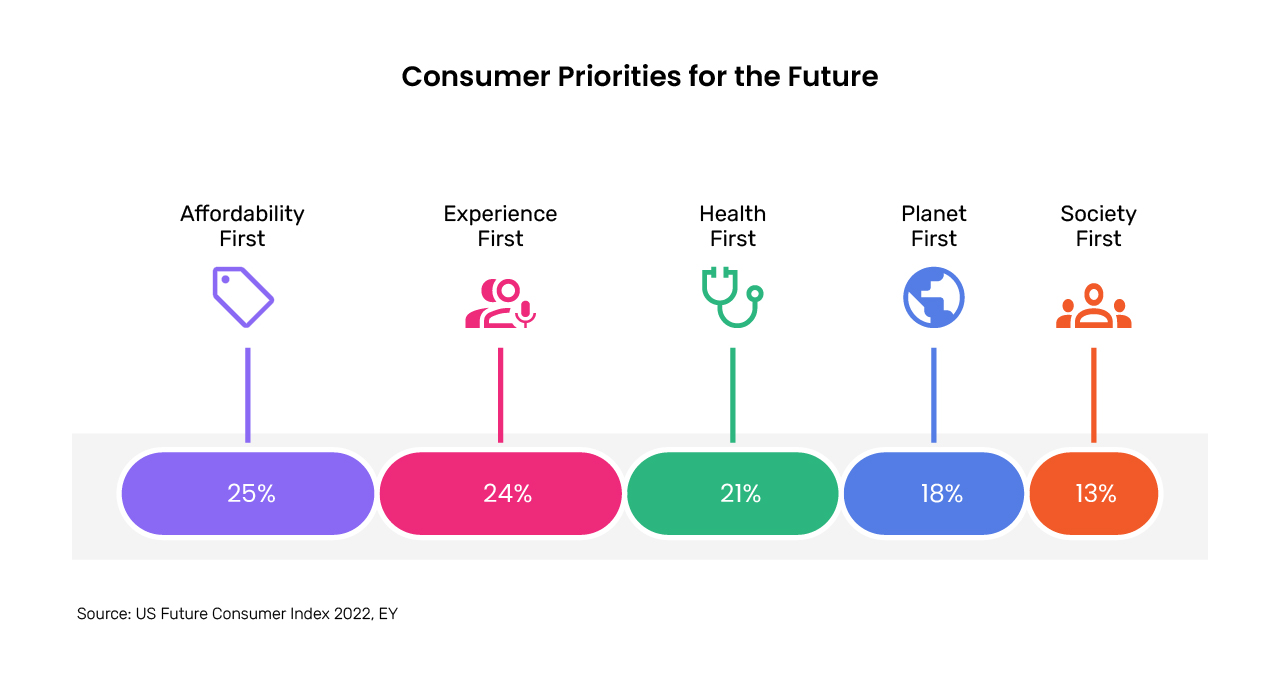
Consumer behavior is moving away from a strict focus on intrinsic material value toward an emphasis on versatility and “everyday wearability.” According to Sakkijha, the emotional connection to a piece—defined by how it fits into a customer’s lifestyle—is now as significant as the gold or silver content. This trend reflects a broader industry change where brands compete on creativity, sculptural innovation, and daily utility rather than just carat weight. The rise of “accessible luxury” means customers increasingly value pieces that are waterproof and durable enough for daily use, regardless of whether the base metal is a precious commodity.
Is stainless steel the future of fine jewelry?
While precious metals remain the gold standard for investment-grade jewelry, stainless steel is establishing itself as a permanent fixture in fashion-forward collections. Industry data suggests that the success of this shift depends on whether consumers continue to equate quality with material weight or if they increasingly accept design-led innovation as a marker of value. This transition mirrors historical shifts in the watch industry, where stainless steel became a premium material through high-end engineering and design, rather than just raw material cost.
Frequently Asked Questions
- Is stainless steel considered “fine” jewelry? Traditionally, fine jewelry is defined by precious metals like gold or platinum, but industry definitions are evolving to include high-quality, durable materials that focus on long-term wearability.
- Does PVD gold plating wear off? PVD (Physical Vapor Deposition) is a vacuum coating process that is significantly more durable and wear-resistant than traditional electroplating, though it can still scratch over time.
- Why are jewelry brands using more stainless steel? Brands are using it to create larger, more sculptural, and affordable pieces that remain durable and waterproof, helping to offset the impact of record-high precious metal prices.
Are you prioritizing design over metal content in your jewelry collection, or does the intrinsic value of gold remain your deciding factor? Share your thoughts in the comments below or subscribe to our weekly industry digest for more insights on retail trends.