

Developer Builds AI-Powered Laser System to Eliminate Mosquitoes
The End of the Mosquito Era? How AI and Lasers Are Changing Home defence
For decades, our defence against mosquitoes has been limited to chemical sprays, sticky traps, and the occasional frantic swatting with a rolled-up magazine. But as artificial intelligence and precision robotics become more accessible, a new, high-tech solution is emerging: the autonomous laser defence system.
We are moving away from passive prevention toward active, precision-guided elimination. From DIY Raspberry Pi experiments to sophisticated crowdfunding projects like Photonmatrix, the technology is evolving from a novelty into a potential household appliance.
From DIY Experiments to Commercial Reality
The transition from academic curiosity to commercial product is happening rapidly. In 2021, researchers were already using the Raspberry Pi to track insects with lasers. While those early iterations had hit rates of around 15%, modern systems are significantly more refined.
Robotics expert Steven Cheng recently showcased a system that utilized computer vision and deep learning to clear a room of mosquitoes overnight. By training an AI model on a vast dataset of mosquito imagery—an effort that famously cost him countless bites—he proved that precision targeting is not just possible, but highly effective.
The Tech Stack Behind the “Mosquito Sniper”
How does a machine distinguish a mosquito from a dust mote or a family pet? It comes down to a combination of three core technologies:
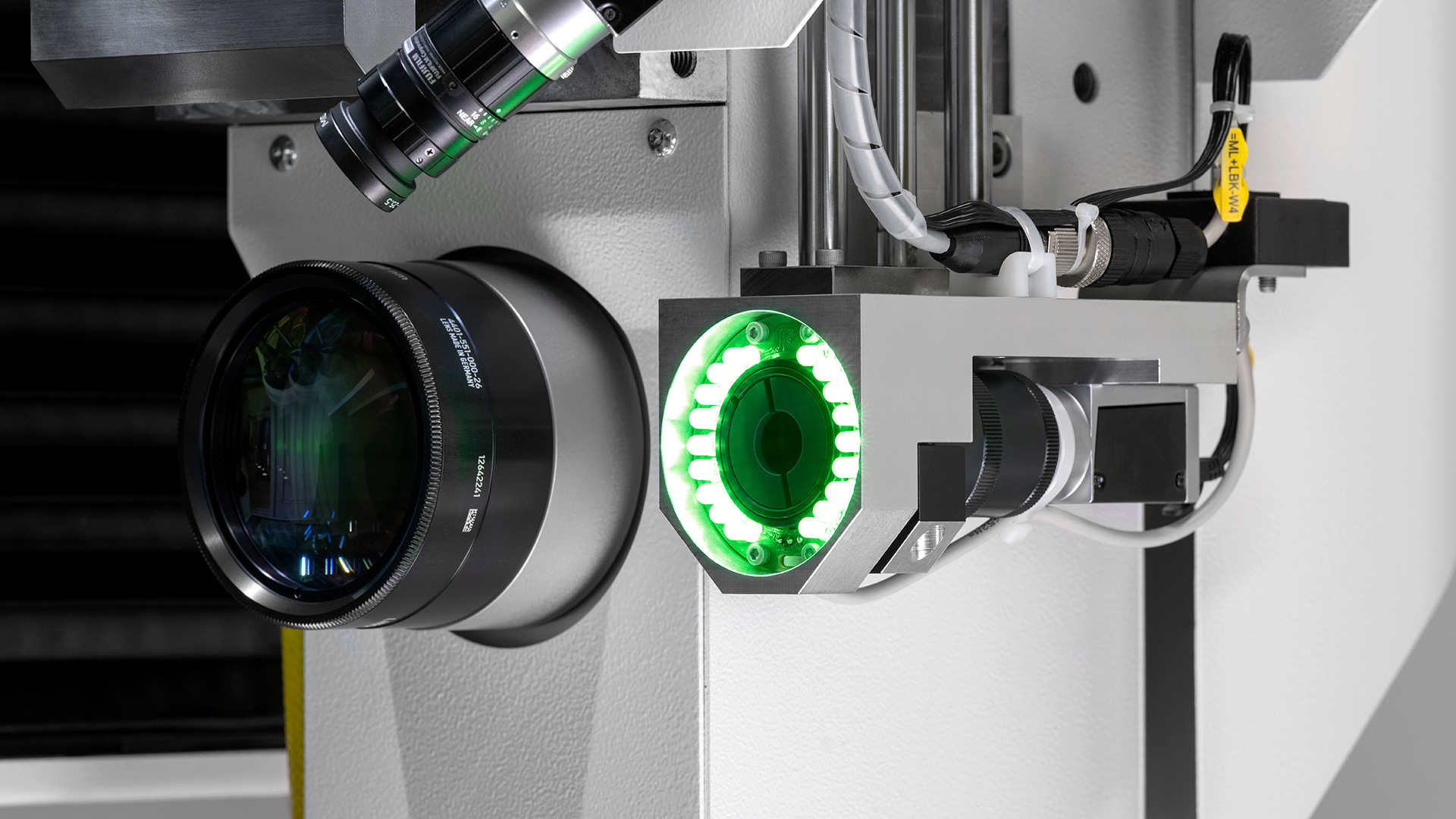
- High-Resolution Computer Vision: Using DSLR cameras with zoom optics to capture high-frame-rate footage for real-time analysis.
- Deep Learning Inference: Custom-trained models that process visual data to identify the unique flight patterns and silhouettes of pests.
- Safety Interlocks: Wide-angle sensors that act as a “dead man’s switch,” instantly cutting power to the laser if a human or pet enters the frame.
Is This the Future of Home Pest Control?
While devices like the Photonmatrix—which offers up to six meters of range—showcase the future of the industry, we aren’t quite at the “plug-and-play” stage yet. The main hurdles remain cost and safety certification. Currently, these high-end systems retail for hundreds of dollars, making them a premium solution for those living in high-risk zones.
However, as the cost of AI-capable processors and high-speed sensors continues to plummet, we can expect to see integrated “smart home” pest control systems. Imagine a security camera that not only watches for intruders but also keeps your living room free of mosquitoes while you sleep.
Frequently Asked Questions
- Are these laser systems safe for pets?
- Yes, provided they are designed with hardware safety interlocks. Modern systems use secondary wide-angle cameras to detect human or animal movement, instantly disabling the laser beam if anything enters the target zone.
- Can these systems hit other insects?
- Current AI models are generally trained on specific silhouettes. While they are highly effective against mosquitoes and fruit flies, they are programmed to ignore beneficial insects like honeybees.
- Do I need to be a programmer to use these?
- While early iterations were purely “maker” projects, current commercial crowdfunding initiatives are designed for consumer use, requiring minimal technical setup.
What do you think? Would you trust a laser-wielding robot to keep your bedroom mosquito-free, or do you prefer the old-school mosquito net? Let us know in the comments below or subscribe to our newsletter for more updates on the future of smart home automation.