
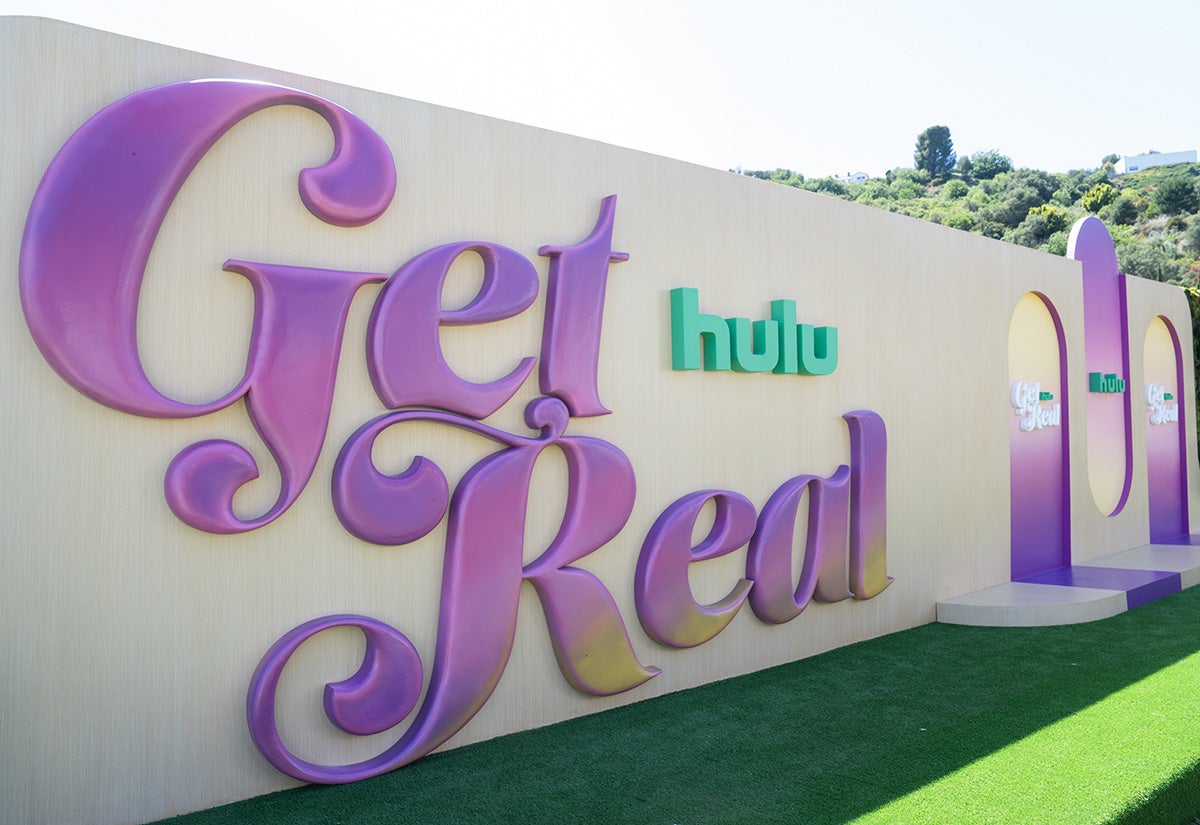
Developing a Live Event for TV and TikTok
The Evolution of “Phygital” Experiences: Where Reality TV Meets Live Activation
The boundary between the screen and the street is disappearing. As seen with high-impact activations like Hulu’s Get Real House, the modern brand event is no longer just about gathering people in a room. it is about creating a “phygital” ecosystem. This blend of physical presence and digital amplification ensures that an event in a Beverly Hills mansion reaches millions of viewers globally in real-time.
Future trends suggest we are moving toward hyper-integrated storytelling. Instead of a live stream being a mere accompaniment to an event, the digital layer will become the primary driver of the experience. We are seeing a shift toward “broadcast-ready” environments where every corner of a physical space is designed specifically for a 9:16 vertical frame.
Designing for the “TikTok Lens”
The “Get Real House” model highlights a critical shift in event production: the transition from traditional decor to content-first architecture. In the past, events were designed to look good to the naked eye. Now, they are designed to look good through a smartphone lens.
Future activations will likely incorporate “Smart Sets”—environments that use augmented reality (AR) to change backgrounds or add digital effects in real-time as influencers film. Imagine a reality star walking through a room where the walls shift colors or display live fan comments based on a TikTok poll.
Key Elements of Content-First Design:
- The “Confessional” Corner: Dedicated, acoustically treated zones that mimic the reality TV aesthetic, encouraging stars to give raw, authentic takes.
- Dynamic Lighting: Lighting rigs that automatically adjust to optimize skin tones for mobile cameras.
- Interactive Touchpoints: QR-integrated installations that allow guests to “unlock” exclusive digital content or filters.
From Passive Viewing to Active Participation
The next frontier of fan engagement is the move from observing to influencing. While TikTok Lives provide access, the future lies in bidirectional interaction. We are entering an era of “Live Co-Creation,” where the remote audience can dictate the physical actions of the talent onsite.

For example, a live audience could vote on which room a reality star enters or which “challenge” they must complete during a house party. This transforms the viewer from a spectator into a director, deepening the emotional investment in the brand and the content.
This trend aligns with the broader move toward experiential marketing strategies that prioritize community over reach. It is no longer about how many people saw the event, but how many people felt they were a part of it.
The Rise of the “Niche-Authority” Influencer
While A-list stars provide the draw, the real growth in event ROI is coming from the integration of niche-authority influencers. By bringing together a mix of household names and specialized creators—such as fashion archivists or reality TV analysts—brands can penetrate multiple subcultures simultaneously.
The synergy between a “mega-star” and a “micro-creator” creates a credibility loop. The star provides the glamour, while the creator provides the authentic commentary that resonates with Gen Z and Alpha audiences. This hybrid casting strategy ensures that the event’s reach is both wide and deep.
Case Study: The “House” Format
The “House” format (transforming a residential space into a brand hub) has proven more effective than traditional hotel ballrooms. Why? Because it mimics the actual setting of the content being promoted. For reality TV, a mansion is the natural habitat. This environmental consistency reduces the “friction” of the marketing message, making the promotion feel like an extension of the show rather than an advertisement.
Frequently Asked Questions
What is a “phygital” event?
A phygital event is a hybrid experience that seamlessly integrates physical activities with digital technology, allowing both onsite guests and remote audiences to interact in real-time.
Why is TikTok preferred over traditional TV for these events?
TikTok offers immediacy, vertical-first consumption, and a powerful algorithm that can push event highlights to a global audience instantly, whereas traditional TV has a delayed production cycle.
How can smaller brands implement these trends?
You don’t need a Beverly Hills mansion. Focus on “micro-activations”—small, highly aesthetic spaces (pop-ups) designed specifically for social media creation and real-time streaming.
Ready to Elevate Your Brand Experience?
The world of experiential marketing is evolving fast. Do you think the “phygital” approach is the future of entertainment, or do you prefer traditional, unplugged events?
Let us know in the comments below or subscribe to our newsletter for more industry insights!