
Did Gravitational Tides Cause Earth’s Extinctions?
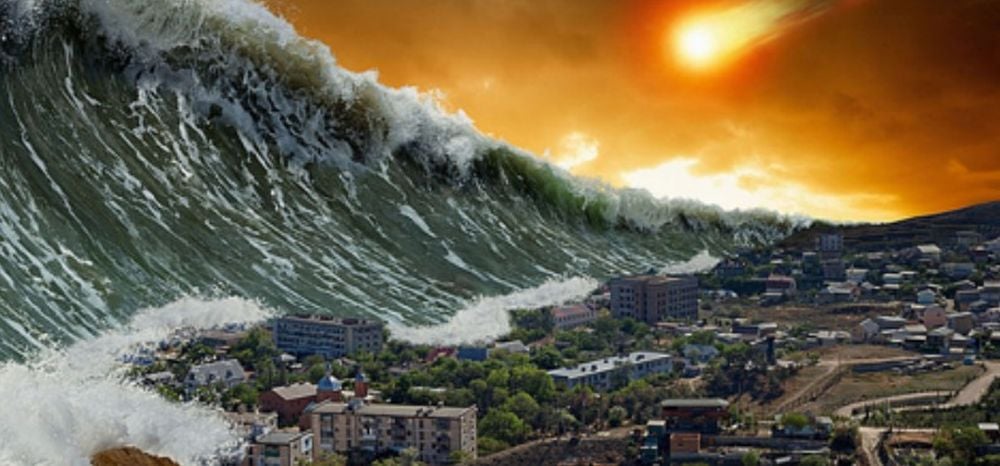
Research by Daniele Fargion of Rome University suggests that flybys of planetary-mass objects from the outer Solar System may trigger mass extinctions. According to a paper presented in June 2025, these objects create gravitational tides that cause volcanic eruptions, giant tsunamis, and climate shifts without requiring a direct collision with Earth.
Why are planetary flybys different from asteroid impacts?
Most mass extinction theories focus on direct collisions. The Chicxulub impact, which wiped out the dinosaurs 64 million years ago, left a clear iridium anomaly in the geological record. However, Daniele Fargion, a research professor from Rome University and the Osservatorio Astronomico di Capodimonte, argues that impacts alone can’t explain every extinction event.
Fargion’s paper, “Mass Extinctions by Gravitational Tides,” notes a significant gap in the Permian/Triassic (P/T) mass extinction 251 million years ago. This event killed 80% to 95% of global species, yet researchers haven’t found a corresponding iridium anomaly or a large meteoritic crater from that era. Fargion suggests that a “flyby”—where a dwarf planet passes near Earth without hitting it—could be the cause.
How do gravitational tides trigger global catastrophes?
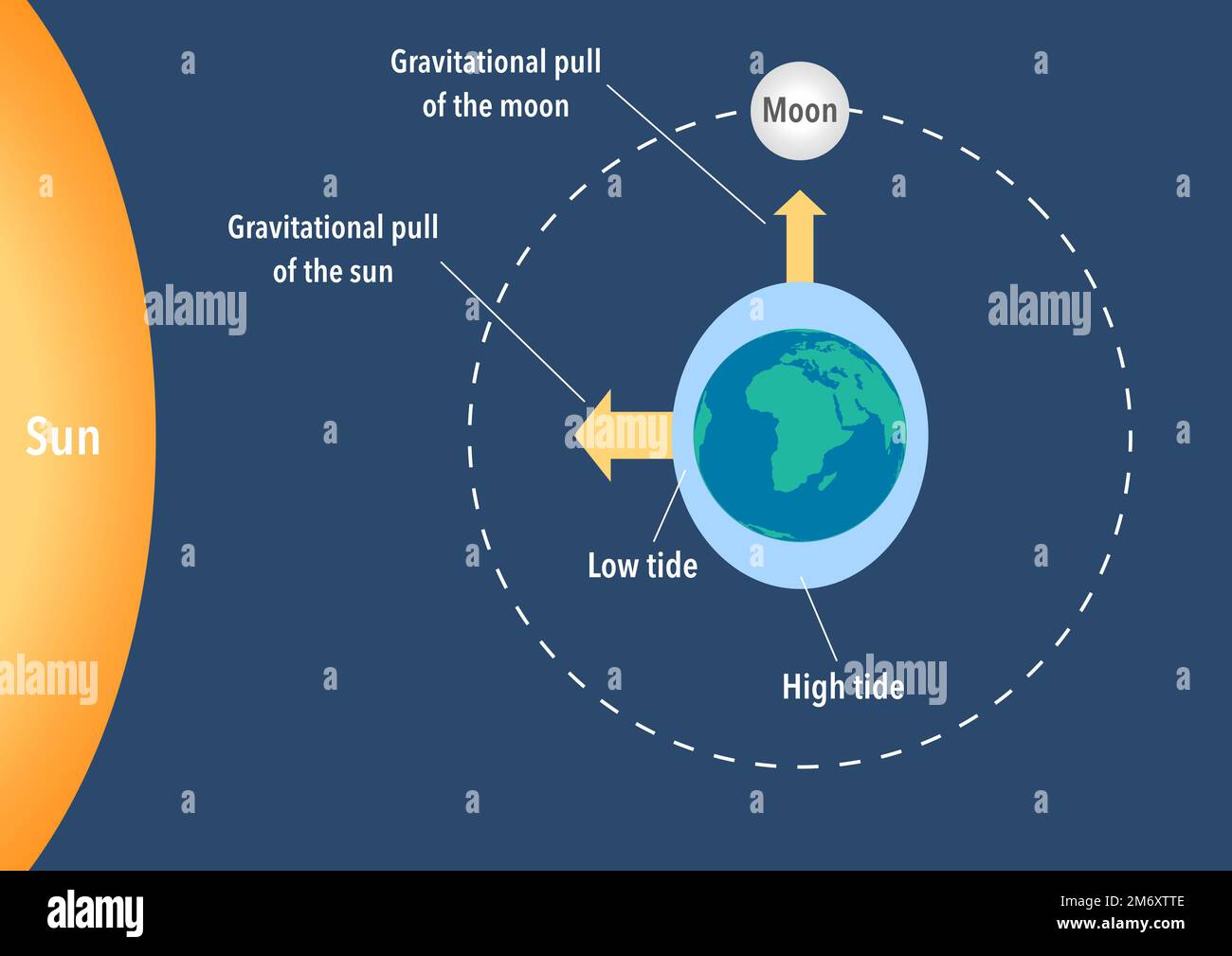
A planetary-mass object passing near Earth exerts a massive gravitational pull. This doesn’t just move water; it affects the entire planet. According to Fargion, these tidal signatures manifest as giant waves, large volcanic episodes, sea regressions, and major climatic perturbations.
The process works by deforming the Earth’s crust and generating tidal heating in the planet’s interior. This internal heat can trigger massive volcanic eruptions. Additionally, these visiting planets may act as gravitational slingshots, diverting asteroids and meteorites from the Kuiper belt into a direct collision course with Earth.
Fargion argues that this combination of tidal forces and diverted impacts explains why geological records often show multiple catastrophes—like volcanic activity and meteoric impacts—happening simultaneously.
What evidence exists in Earth’s geological record?
Fargion points to fossil corals from the end of the Devonian period as a key piece of evidence. These corals show a sudden change in the rate at which the number of days in a year decreased. This indicates the distance between the Earth and the Moon increased suddenly.
A direct collision would create an instantaneous, violent change. A flyby, however, provides the specific tidal pull necessary to shift the Moon’s orbit. This same pull would have generated global tsunamis and powerful tides that could persist for years, destabilizing the biosphere.
How does Jupiter help prove this theory?
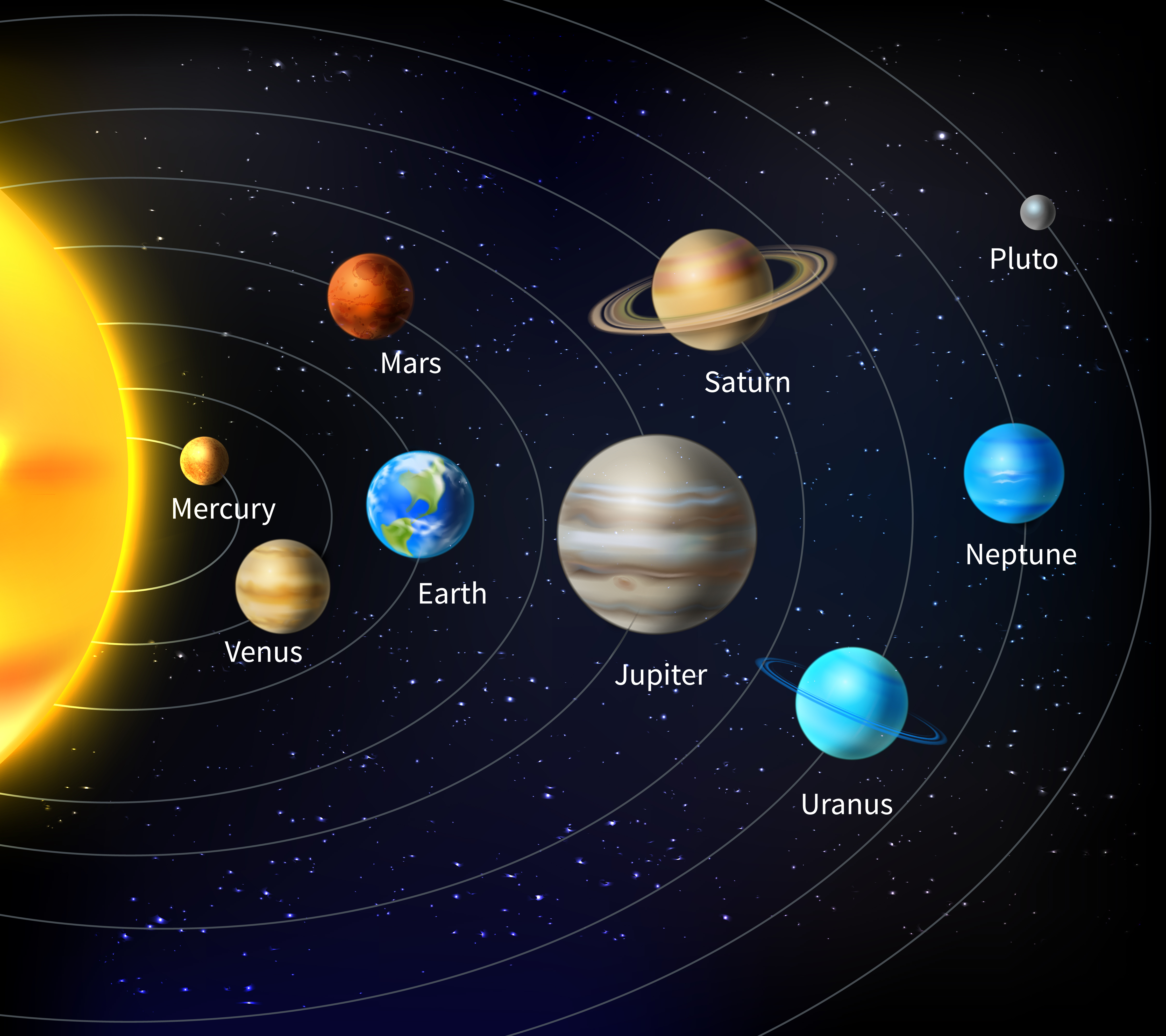
The history of other planets provides a blueprint for what might happen to Earth. Jupiter is slightly tilted on its axis and possesses a surface temperature higher than expected. Fargion calculates that Jupiter suffered 16 collisions with objects roughly 0.5 times the mass of Earth throughout its history.

Other anomalies in the Solar System support the flyby theory. Uranus is tilted on its side, and Neptune’s moon Triton appears to be a captured Kuiper Belt Object. Fargion argues it’s unreasonable to assume Earth is the only planet unaffected by these planetary-mass encounters.
| Event Type | Primary Evidence | Mechanism |
|---|---|---|
| Direct Impact | Iridium anomaly, craters | Kinetic energy/shock |
| Planetary Flyby | Orbital shifts, volcanic spikes | Gravitational tides |
Could this explain the Fermi Paradox?
The Fermi Paradox asks why we haven’t encountered other advanced civilizations despite the vastness of the universe. Fargion suggests that astrophysical tidal extinctions provide an answer. If these events are common, they may act as a “life reset.”
According to the researcher, these rare but devastating events could cancel out advanced civilizations, pushing life back to a primordial, silent level. This would make the existence of long-lived, space-faring species statistically unlikely.
How can humans survive a future flyby?
While asteroid-sized objects can be diverted, planetary-mass objects cannot. Fargion suggests that the primary danger during such an event would be massive, persistent tidal waves sweeping across the globe.

To survive, Fargion proposes the organization of secure refuges located on top of mountain chains at altitudes of 2 to 3 kilometers. These high-altitude sanctuaries would be the only viable way to protect human life and biological diversity from years of global flooding.
Frequently Asked Questions
What is a planetary-mass object?
These are objects with mass similar to dwarf planets, such as Pluto, which orbit in the outer Solar System.
Can we stop a planetary flyby?
No. Unlike small asteroids, objects with planetary mass are too large to be diverted by current or foreseeable human technology.
Where was this research published?
The paper “Mass Extinctions by Gravitational Tides” was presented at the ‘Multi-frequency Behaviour of High Energy Cosmic Sources’ conference in Palermo in June 2025 and is available on arxiv.org.
What is the most dangerous part of a flyby?
According to Daniele Fargion, the most immediate threat is the generation of gigantic tidal waves and intense volcanic activity triggered by gravitational deformation.
Do you think high-altitude refuges are a realistic survival strategy? Share your thoughts in the comments below or subscribe to our newsletter for more updates on space anomalies and planetary science.