
Digital IDs in Google Wallet: What You Need to Know
The Digital Wallet Revolution: Why Your ID Isn’t Replacing Your Plastic Card Just Yet
For years, we’ve been promised a future where our physical wallets become relics of the past. With the rise of Apple Pay and Google Wallet, we’ve already digitized our credit cards, loyalty programmes, and boarding passes. Naturally, the next frontier is the holy grail of identification: our government-issued IDs and passports.
Recent buzz surrounding Google Wallet’s expansion into Europe has sparked excitement, but as is often the case with emerging tech, the reality is more nuanced than the headlines suggest. While the convenience of a “digital ID” is tantalizing, we are still navigating a complex web of security, regulation, and cross-border compatibility.
The Current Reality: Passports vs. National IDs
Google has begun rolling out support for digital identification in select European nations, including Ireland, Spain, France, Italy, and Estonia. However, there is a critical distinction to make: Here’s not yet a total replacement for your physical passport or national ID card.
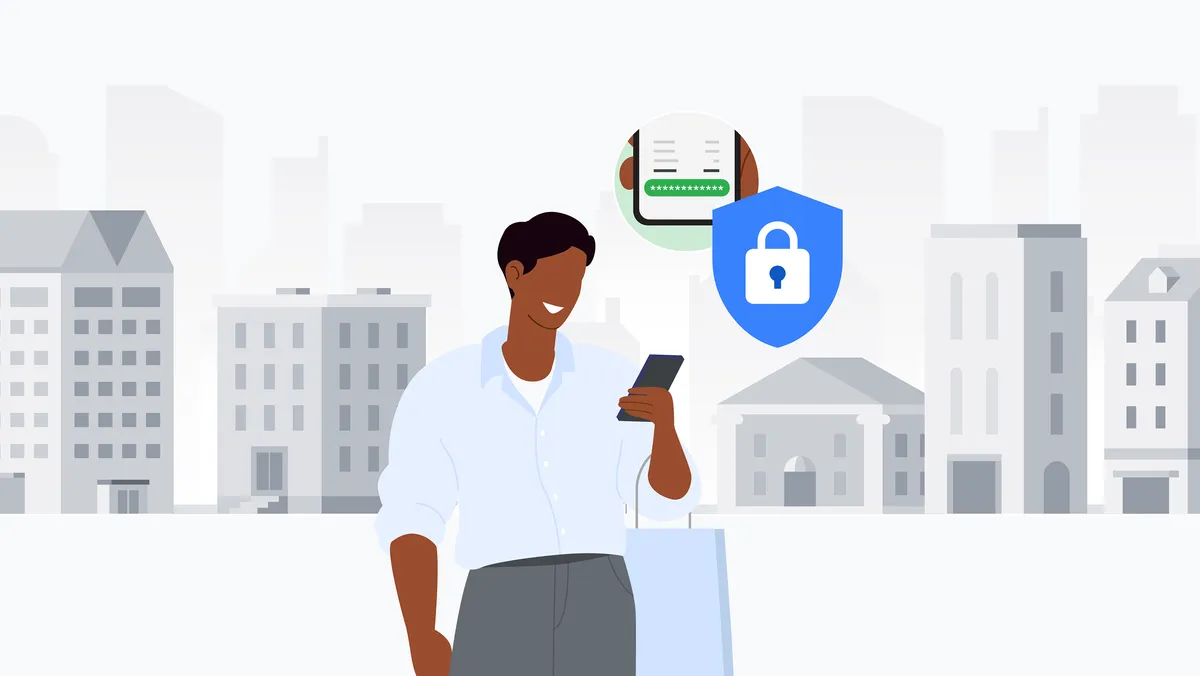
In this initial phase, users can scan their passports into Google Wallet, but the primary use case is restricted to online age verification. If you’re trying to prove you are over 18 for a digital service, your phone can now handle that securely without sharing your full name, home address, or document number. It’s a privacy-first approach that minimizes the data you share, but it won’t get you through airport security just yet.
Why Standardization is the Biggest Hurdle
The dream of a “European Digital Identity” is to have a single, unified method of identification across all EU member states. However, building a universal digital wallet is a monumental task. Every country has different legacy systems, security protocols, and legal definitions of what constitutes a “valid” document.
Google’s strategy of collaborating with local entities—such as their work with Sparkasse Bank—shows that they are taking a localized, modular approach. By partnering with trusted financial institutions, Google is essentially piggybacking on existing “Know Your Customer” (KYC) verification processes, which are already highly secure and legally compliant.
The Privacy Paradox: Sharing Less, Knowing More
One of the most significant advantages of digital IDs is “selective disclosure.” In the physical world, showing your ID to a bouncer or a clerk forces you to reveal your birthdate, your home address, and your full name. With digital credentials, the system can simply send a “Yes/No” signal regarding your age or identity verification.
What In other words for the Future
We are currently in a “pilot phase” of digital identity. Over the next few years, expect to see:
- Increased Integration: Digital IDs moving from online age verification to physical scenarios, such as hotel check-ins or car rentals.
- Platform Consolidation: A battle for dominance between OS-level wallets (Apple/Google) and state-sponsored apps.
- Enhanced Security: Biometric authentication (FaceID or Fingerprint) becoming the mandatory standard to unlock your digital credentials.
Frequently Asked Questions
- Can I stop carrying my physical ID card now?
- Not yet. In most jurisdictions, physical documents are still the only legally recognized form of identification for police checks or border crossings.
- Is my data safe in Google Wallet?
- Google uses hardware-backed security (the Secure Element) on your smartphone, which is the same technology that protects your credit card information. It is significantly harder to “hack” than a lost piece of plastic.
- Will this work in every country?
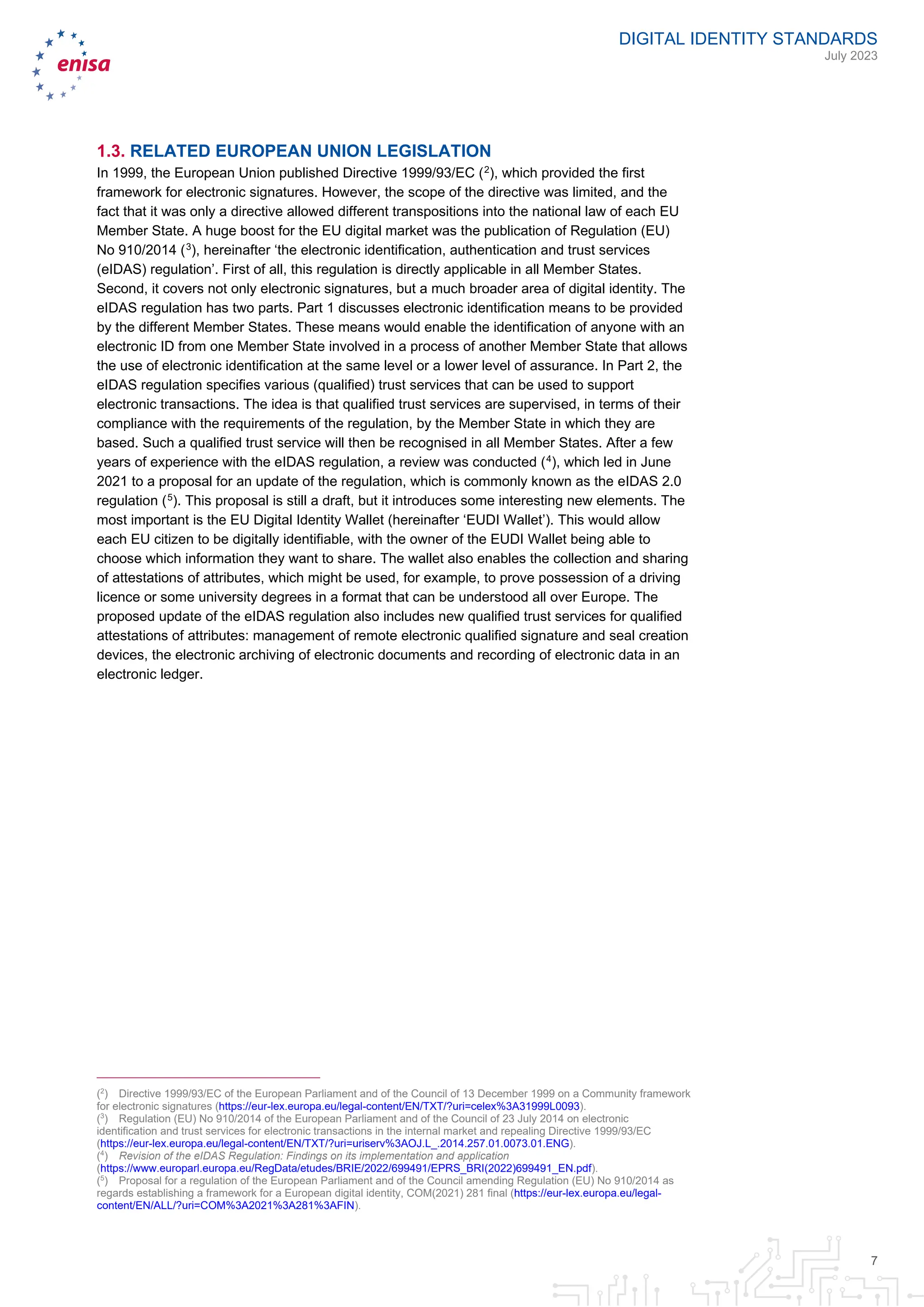
- Currently, support is limited to specific pilot programmes in select EU countries. Global adoption will depend on local government legislation and the implementation of the eIDAS 2.0 standard.
What’s your take? Would you feel comfortable relying solely on your smartphone for identification, or do you prefer the peace of mind that comes with a physical card? Let us know your thoughts in the comments below, or subscribe to our newsletter for the latest updates on digital security and mobile tech.