
Discover 5 key features for CG artists in Godot 4.7
The Godot team has officially released Godot 4.7, an update to the open-source game engine that introduces significant rendering and workflow enhancements for 3D artists. Key additions include AreaLight3D for rectangular light sources, High Dynamic Range (HDR) output for desktop and iOS, and advanced 3D transformation tools. This release also marks a milestone in industry adoption, as EA’s Battlefield Studios has joined as the engine’s first AAA Corporate Platinum sponsor.
How does AreaLight3D change 3D lighting workflows?
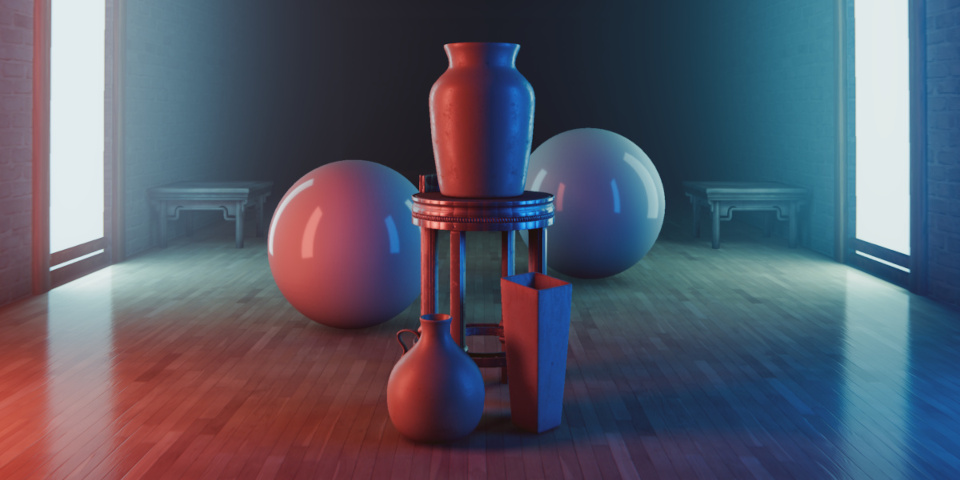
According to the Godot development team, the new AreaLight3D node allows artists to create rectangular light sources that mimic real-world objects like windows or television screens. This replaces the previous reliance on emissive materials applied to geometry, which often failed to produce accurate reflections or soft shadows. The implementation supports volumetric fog, subsurface scattering, and textured light quads for gobo effects, providing artists with more control over light behavior without increasing geometry complexity.
What are the technical requirements for HDR rendering?
Godot 4.7 enables HDR output, allowing for a wider tonal range—deeper shadows and brighter highlights—that standard SDR output cannot achieve. The engine supports HDR on Windows, macOS, and Wayland Linux systems, as well as iOS devices and Apple’s Vision Pro headset. This shift aligns the engine with professional-grade production standards, enabling creators to target high-end display hardware directly from the editor.
Why is AAA backing important for open-source engines?
The announcement that EA’s Battlefield Studios has become a Corporate Platinum sponsor represents a shift in the perceived viability of open-source engines for large-scale commercial projects. While Godot has historically been favored by indie developers, this sponsorship marks the first time a major AAA studio has contributed to the Godot Development Fund at this level. Financial backing from industry giants often accelerates feature development for enterprise-grade needs, such as improved platform support and stability for massive, multi-year projects.
How have 3D editing workflows improved?
The update introduces several quality-of-life adjustments aimed at bringing Godot’s 3D editor closer to industry-standard toolsets like Blender. The new trackball-style rotation, triggered by dragging on the 3D transform gizmo, allows for more fluid object manipulation. Additionally, the engine now features improved snapping behavior, including Vertex Snapping, which enables users to snap meshes directly to one another. Another workflow addition is the “Focus Selection” shortcut; when pressed twice, the editor camera locks onto and tracks a moving object, which is particularly useful for previewing animation or real-time lighting changes.
Frequently Asked Questions
- Is Godot 4.7 free to use? Yes, the engine remains under the MIT license, making it free for both personal and commercial use.
- What platforms are supported? The engine runs on Windows, Linux, and macOS, with additional ports available for Android and web browsers.
- Does this update support VR? Yes, Godot 4.7 includes support for Valve’s upcoming Steam Frame headset, further expanding its XR capabilities.
- Can I use HDR output on all devices? HDR output is supported on desktop systems, iOS, and Apple Vision Pro; it is not universal across all low-end mobile hardware.
To view the full list of features or download the latest version, visit the official Godot website. Have you experimented with the new AreaLight3D node yet? Share your results or join the discussion in the comments below.