

Do Calcium and Vitamin D Supplements Prevent Bone Fractures in Seniors?
Routine use of calcium and vitamin D supplements does not significantly reduce fracture risks in healthy elderly populations, according to meta-analyses of randomized controlled trials. The research indicates that fracture rates for supplement users are nearly identical to those receiving placebos, suggesting these nutrients are not a primary prevention method for independent seniors.
Why aren’t calcium and vitamin D supplements effective for all seniors?
Research indicates that supplements offer little clinical benefit when individuals already have sufficient nutrient levels. Experts state that adding supplements to a body with adequate vitamin D does not provide extra bone strength.
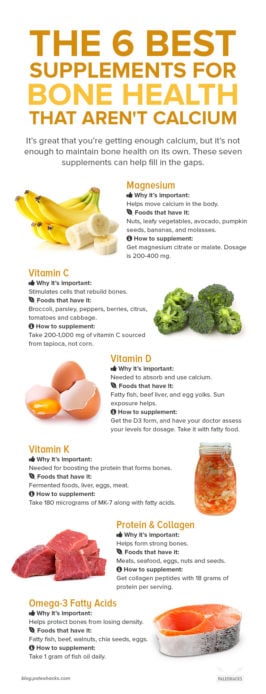
Bone fractures in the elderly are driven by multidimensional factors. According to the research, risks include muscle strength loss, known as sarcopenia, balance issues, physical activity levels, and the side effects of certain medications.
The study participants were primarily healthy, independent seniors. Because they did not suffer from acute vitamin D deficiency or severe osteoporosis, they were categorized as a low-risk population.
Who still needs these supplements?
Supplements remain crucial for specific medical groups. Experts identify individuals with proven deficiencies confirmed via blood tests as primary candidates for supplementation.
Nursing home residents are also highlighted as a high-priority group due to their limited exposure to sunlight. Additionally, patients with osteoporosis undergoing specialized medical therapy require these supplements as part of their treatment.
How can seniors more effectively prevent fractures?
Health experts emphasize a holistic approach over a reliance on supplements. The priority is shifted toward maintaining physical function and stability.
Strength training is recommended to preserve muscle mass. Similarly, balance exercises are prioritized to reduce the likelihood of falls, which are a primary cause of fractures.
What may happen next for senior bone health?
Healthcare providers may be more likely to prioritize blood screenings before recommending routine supplements to independent seniors. This could lead to a more targeted application of vitamin D and calcium.
There is a possible next step toward integrating strength and balance training into standard geriatric care. This shift may move the primary “shield” against fractures from nutritional supplements to physical conditioning.
Frequently Asked Questions
Do calcium and vitamin D supplements prevent fractures in healthy seniors?
No. Meta-analyses of randomized controlled trials show that these supplements do not provide significant protection against fractures for healthy, independent elderly populations.
Who should continue taking these supplements?
Supplements are still necessary for those with blood-test proven deficiencies, nursing home residents with low sun exposure, and osteoporosis patients on specific medical therapies.
What is more effective than supplements for bone protection?
A holistic approach including strength training to maintain muscle mass and balance exercises to prevent falls is considered more effective.
How do you currently incorporate balance and strength training into your wellness routine?