

Do Statins Block Brain Repair? Fact Check
Medical guidelines from the CDC and American Heart Association contradict claims by Dr. Lewis Clarke that statins block brain repair. While Clarke suggests stopping these cholesterol-lowering drugs after a stroke, the American College of Cardiology recommends specific statin dosages to prevent recurrence, citing the risk of cardiovascular events if treatment is stopped.
Dr. Lewis Clarke, a physician specializing in brain and body chemistry, recently posted a video claiming statins “silently destroy” the brain’s ability to repair damage. Clarke argues that because the brain contains 25% of the body’s total cholesterol and cell membranes are 99% cholesterol, these drugs block the internal production needed to rebuild after a stroke or trauma.
The FDA issued a warning letter to Clarke Pharmaceutical Manufacturing, Inc. in 2021. The agency stated some of the company’s products were promoted as medical treatments despite not being approved as drugs.
Do statins block brain repair?
Medical evidence does not support the claim that statins stop the brain from regenerating. While the brain does utilize cholesterol for nerve cell function and structure, the American Heart Association states there is no evidence that statins cause cognitive problems.
Clarke’s assertion that brain cell membranes are 99% cholesterol is not supported by medical evidence. These membranes contain cholesterol, but they also consist of phospholipids, proteins, and other essential substances.
What is the healthy level of cholesterol?
Clarke claims an “optimal” total cholesterol level is between 210 and 249 mg/dL. This contradicts established health guidelines. MedlinePlus, a service of the U.S. National Library of Medicine, lists a healthy total cholesterol level for adults as less than 200 mg/dL.
The CDC echoes this figure, stating the desired total cholesterol level is under 200 mg/dL, with LDL—or “bad” cholesterol—remaining below 100 mg/dL. The CDC warns that excess cholesterol can deposit on artery walls, increasing the risk of heart disease and stroke.
How do statins affect CoQ10 and energy?
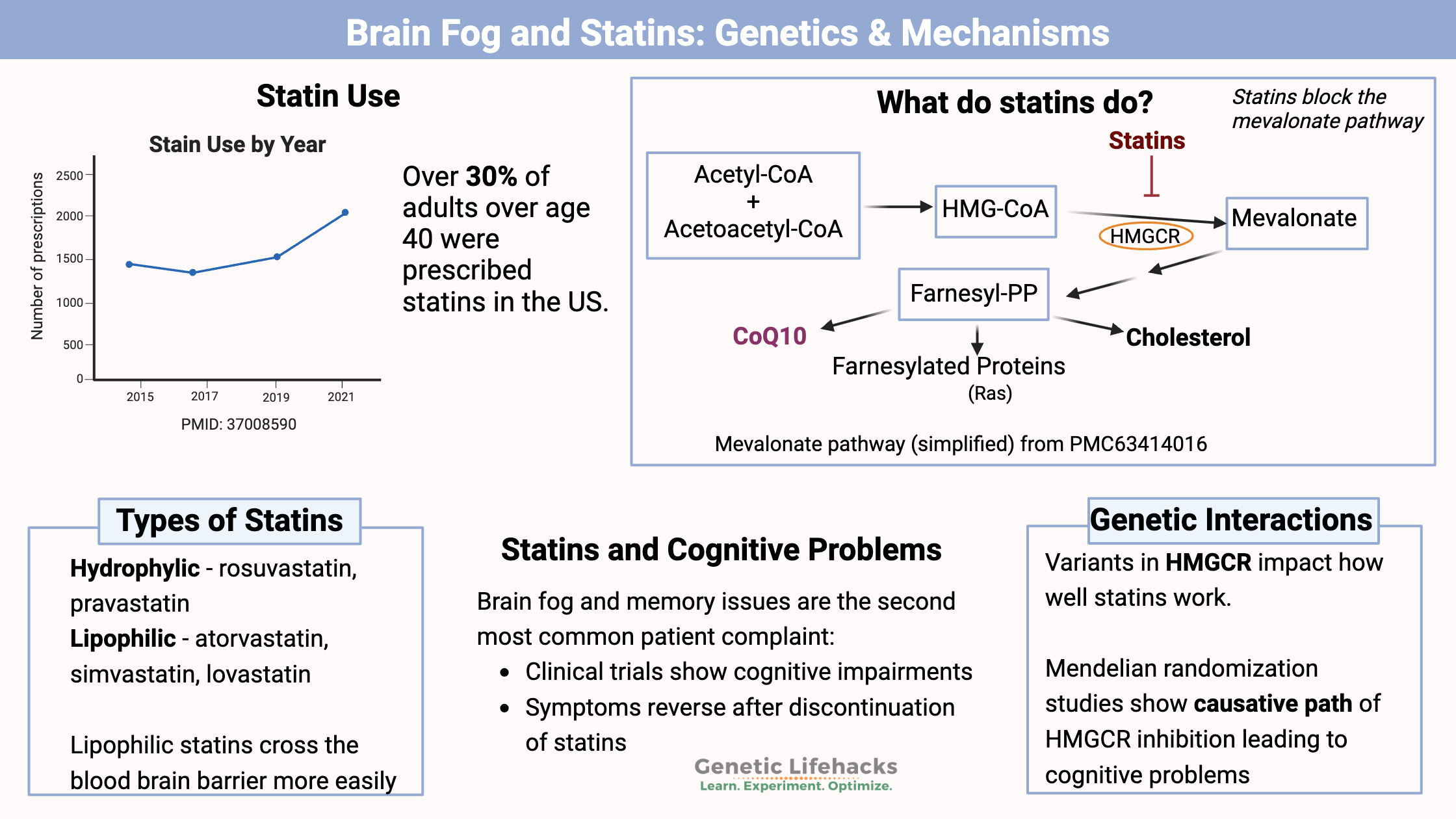
Statins influence the same metabolic pathway used to produce CoQ10, a substance involved in cellular energy production. Medical professionals often discuss this connection regarding muscle pain experienced by some patients.

However, there is no evidence that this metabolic interaction stops cellular energy to the point of preventing brain repair. Similarly, while sigma-1 receptors are studied for protecting nerve cells, research does not show that statins prevent the formation of new neurons in humans.
Should statins be stopped after a stroke?
Clarke recommends that patients recovering from a stroke or brain injury discuss stopping statins to allow repair mechanisms to function at “maximum capacity.” Medical guidelines suggest the opposite.
The American College of Cardiology, summarizing 2021 AHA/ASA guidelines, recommends 80 mg of atorvastatin daily for most stroke patients to reduce the risk of a second occurrence. Because statins prevent the arterial blockages that lead to cardiovascular events, stopping them without a doctor’s approval may increase risks for vulnerable patients.
Future patient outcomes may depend on adhering to these clinical guidelines, as abrupt cessation of treatment could potentially lead to recurrent strokes or heart attacks.
Frequently Asked Questions
What are statins?
Statins are medications used to lower LDL (“bad”) cholesterol in the blood to reduce the risk of heart attack, stroke, and other cardiovascular diseases by preventing artery blockages.
Are brain cell membranes 99% cholesterol?
No. While they contain cholesterol, they are also composed of proteins, phospholipids, and other substances necessary for cell function.
Is a total cholesterol level of 210-249 mg/dL optimal?
No. According to the CDC and MedlinePlus, a healthy total cholesterol level for adults is generally less than 200 mg/dL.
Do you prioritize long-term cardiovascular prevention or short-term recovery theories when discussing medication with your doctor?