

Doctors Explain Lewy Body Dementia Symptoms and Treatments
Lewy Body Dementia (LBD) is a progressive brain disorder caused by abnormal clumps of alpha-synuclein protein called Lewy bodies. According to Dr. Elise Caccappolo, a board-certified clinical neuropsychologist at Columbia University, these proteins accumulate in brain regions regulating memory, thinking, and motor control. It typically affects adults between 60 and 80, with men diagnosed more frequently than women.
What are the primary symptoms of Lewy Body Dementia?
LBD presents a wide spectrum of cognitive and physical symptoms. Dr. Caccappolo and experts at the Mayo Clinic identify common signs as fluctuating attention, difficulty multi-tasking, and poor visual-spatial awareness, which can impact a person’s ability to drive.
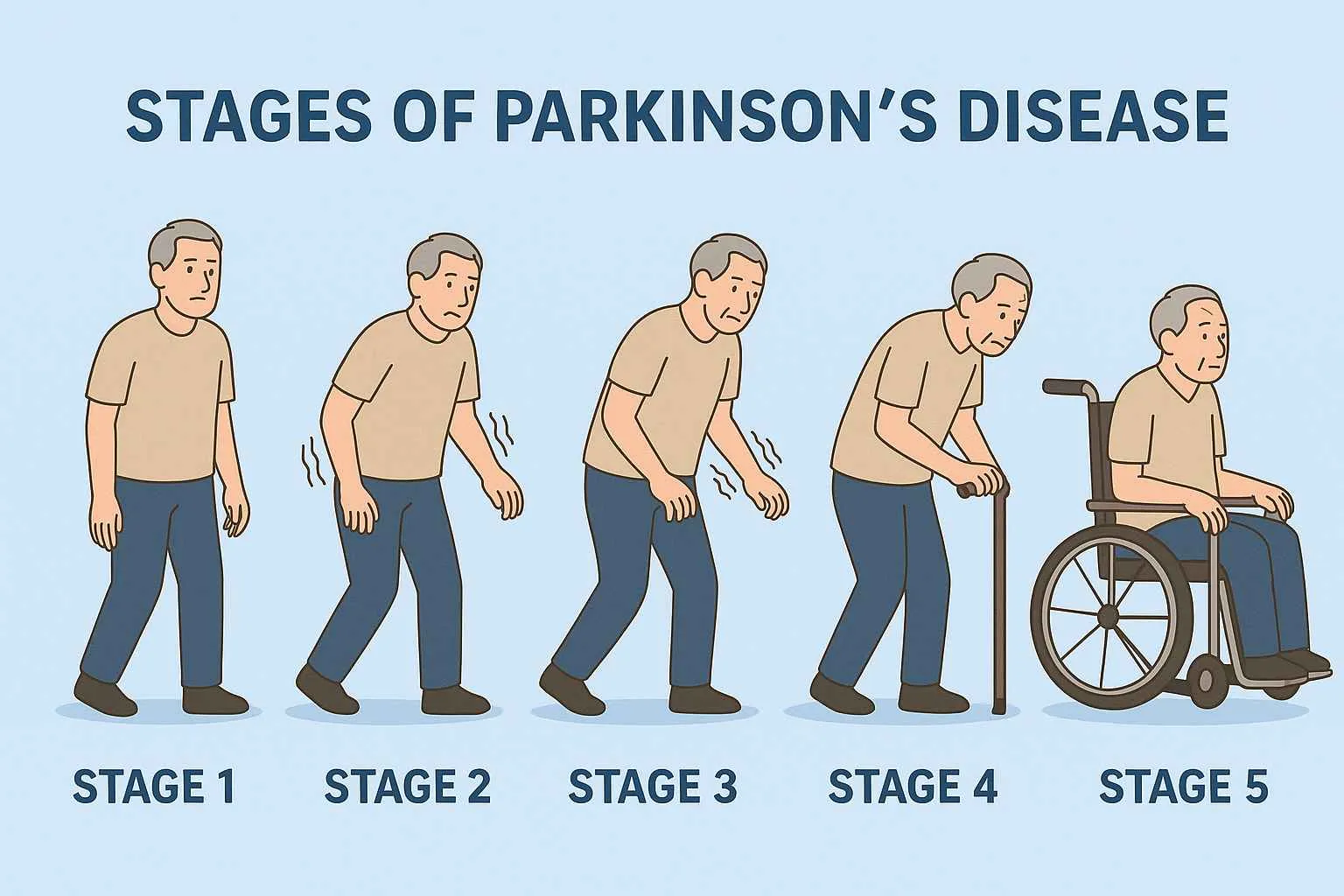
Physical symptoms often mirror Parkinson’s disease. These include muscle stiffness, tremors, slow movement, and a loss of balance. Some patients also experience poor regulation of heart rate, blood pressure, and bowel or bladder control.
Visual hallucinations occur in approximately 80% of LBD patients, according to the National Institute of Neurological Disorders and Stroke. Lisa Skinner, a behavioral specialist, notes these hallucinations are often detailed and appear as animals, children, or adults.
How is LBD different from Alzheimer’s and Parkinson’s?
The National Institute on Aging divides LBD into two distinct types. Dementia with Lewy bodies occurs when cognitive symptoms appear at the same time as, or at least one year before, movement problems.
Parkinson’s disease dementia is diagnosed when cognitive decline follows the onset of movement issues by a year or more. Dr. Hitesh Patel, a neurologist at Saddleback Memorial Medical Center, states that changes in alertness and attention span usually appear first in LBD, whereas Alzheimer’s typically begins with memory decline.
Dr. Caccappolo notes that REM sleep behavior disorder—where patients may kick, punch, or scream during sleep—is typically unique to LBD among dementias. Dr. Brendan Kelley of UT Southwestern Medical Center adds that these behaviors may precede an LBD diagnosis by decades.
Why is diagnosing Lewy Body Dementia difficult?
There is no definitive test for LBD, according to Dr. Caccappolo. Physicians must rule out other illnesses using brain imaging, lab findings, neuropsychological tests, and clinical symptoms. A 100% confirmation is only possible through a brain autopsy, per the National Institute on Aging.
This diagnostic uncertainty carries medical risks. Dr. Dung Trinh of MemorialCare warns that some medications used for Parkinson’s, such as carbidopa-levodopa, may increase hallucinations and confusion in patients who actually have LBD.
How is LBD treated and managed?
While no cure exists, several therapies can manage symptoms. Dr. Caccappolo suggests cholinesterase inhibitors for memory changes, apathy, and hallucinations, while SSRI antidepressants may help manage mood shifts.
Non-pharmaceutical interventions include cognitive remediation therapy to improve executive functioning and physical or occupational therapy to prevent falls. Lisa Skinner recommends patients remain socially, mentally, and physically active to maintain self-esteem and confidence.
What causes LBD and can it be prevented?
The Alzheimer’s Association states that while alpha-synuclein protein exists naturally in the brain, scientists do not yet understand why it clumps into Lewy bodies. LBD is not usually hereditary, though Dr. Caccappolo notes that having a family member with Parkinson’s or LBD increases an individual’s risk.
No proven prevention method exists for LBD. However, Dr. Caccappolo suggests that maintaining a healthy diet, regular sleep, and managing stress may help boost overall brain health.
What may happen next for those showing symptoms?
Individuals experiencing changes in motor function or cognition for several months may see improved symptom management if they seek a neurologist’s evaluation. A proper diagnosis could allow patients and caregivers to better accept symptoms that are beyond the patient’s control.

Families may likely turn to the Lewy Body Dementia Resource Center or the Lewy Body Dementia Association for support group directories and help lines to assist with the progression of the disease.
Frequently Asked Questions
Who is most commonly affected by Lewy Body Dementia?
According to Dr. Hitesh Patel, most patients are between 60 and 80 years old at the time of diagnosis, and the condition is more common in men than in women.
What is the role of alpha-synuclein in LBD?
As explained by Dr. Elise Caccappolo, alpha-synuclein is a protein that forms abnormal clumps called Lewy bodies. These clumps accumulate in nerve cells in brain areas that regulate thinking, memory, and motor control.
Can LBD be confirmed while a patient is alive?
No. According to the National Institute on Aging, there is currently no way to 100% confirm an LBD diagnosis without a brain autopsy.
Do you or a loved one use specific lifestyle habits to support long-term brain health?