

Documenting Jember’s Cultural Heritage Through Open Knowledge – Diff
A cultural documentation project has uploaded more than 1,900 media files to Wikimedia Commons to preserve Jember’s heritage. According to project records, the collection includes photographs and videos of traditional dance, wedding attire, and historical sites, all released under open licenses for public and educational reuse.
What cultural assets were documented in Jember?
The collection covers a wide range of local knowledge and heritage. Project documentation includes Jember batik, traditional foods, and beverages. It also features the Tobacco Museum, the Letter Museum, and the Telu Museum.
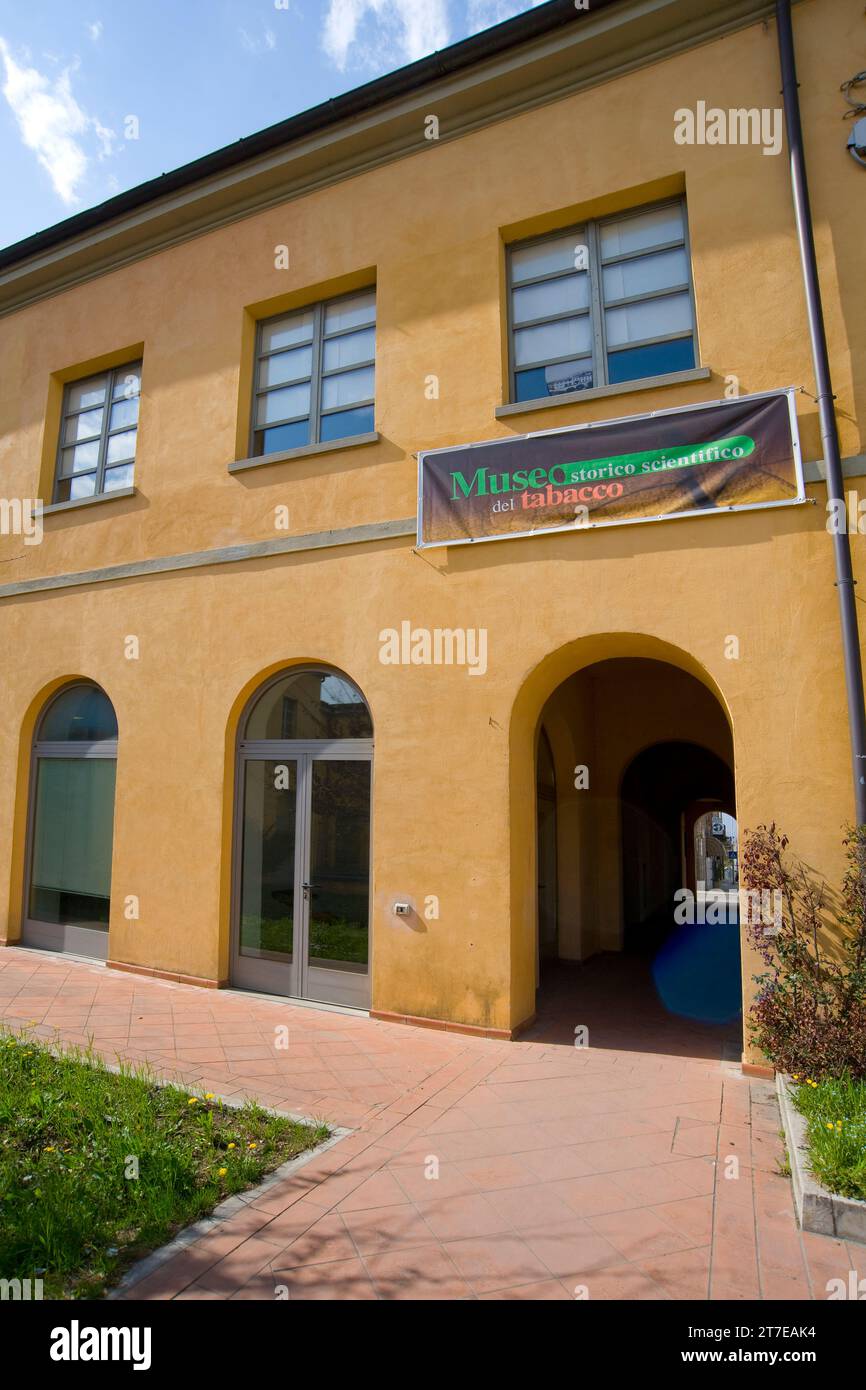
Historical sites documented by the team include Situs Duplang, Situs Beteng Boto Mulyo, and Benteng Pendem Cakru. The project also recorded sites central to local identity, such as Papuma Beach, Pancer Puger Beach, Watu Ulo, Tanjung Market, and Jember Town Square.
Additional materials focus on Tari Lahbako and various community-managed tourism villages. These files, released under open licenses, are now available for research, educational activities, and Wikimedia projects.
How did the team overcome documentation challenges?
The project team, composed of university students and professionals, visited more than 20 locations. Some sites were remote or rarely visited. Local government officials provided support during heritage site visits, which helped the team access difficult locations.
Documenting traditional wedding attire proved particularly difficult because information was rarely available online. Project records indicate many local residents were unaware of the distinctions between different wedding styles. The team conducted extensive outreach to find bridal stylists, costume owners, and cultural experts.
Logistical constraints required a flexible approach. Team members often worked simultaneously at different sites to cover more ground within a limited timeframe.
How is the data organized for public use?
To ensure the materials are discoverable, the project created 29 subcategories within the Digital Ethnography Jember category on Wikimedia Commons. These categories organize themes such as culinary heritage, museums, and traditional attire.
The team also expanded the project’s reach through Wikidata. According to the project report, the team edited six existing Wikidata items and created 17 new ones related to documented objects and heritage locations.
These structured data connections may allow the documentation to be expanded by other Wikimedia contributors. This effort could lead to increased visibility for Jember’s cultural heritage in future open knowledge initiatives.
Frequently Asked Questions
How many files were added to Wikimedia Commons?
More than 1,900 media files, including photographs and videos, were uploaded.
What specific museums were documented?
The project documented the Tobacco Museum, the Letter Museum, and the Telu Museum.
What was the result of the Wikidata contributions?
The team edited six existing items and created 17 new Wikidata items to improve the discoverability of cultural sites and objects.
How do you think open-access digital archives change the way people experience local history?