
Dolby Vision Explained: Versions, Features, and Hardware Requirements
Dolby Vision provides 12-bit color and dynamic metadata, making it technically superior to HDR10 and HDR10+. According to MakeUseOf, the latest iterations—Dolby Vision 2 and Vision 2 Max—rely on ambient light sensors and specialized chips like the MediaTek Pentonic 800 to adjust picture quality based on real-time room lighting.
Why is Dolby Vision superior to HDR10 and HDR10+?
The primary difference lies in color depth and metadata. While HDR10 and HDR10+ are capped at 10-bit color, Dolby Vision uses an enhancement layer to deliver 12-bit color. This allows the player to reconstruct a more precise video stream, according to MakeUseOf.
Metadata also separates these standards. HDR10 uses a single profile for an entire film. In contrast, both Dolby Vision and HDR10+ employ dynamic metadata, which provides specific brightness and color instructions for every individual scene or frame.
How does an ambient light sensor affect HDR performance?
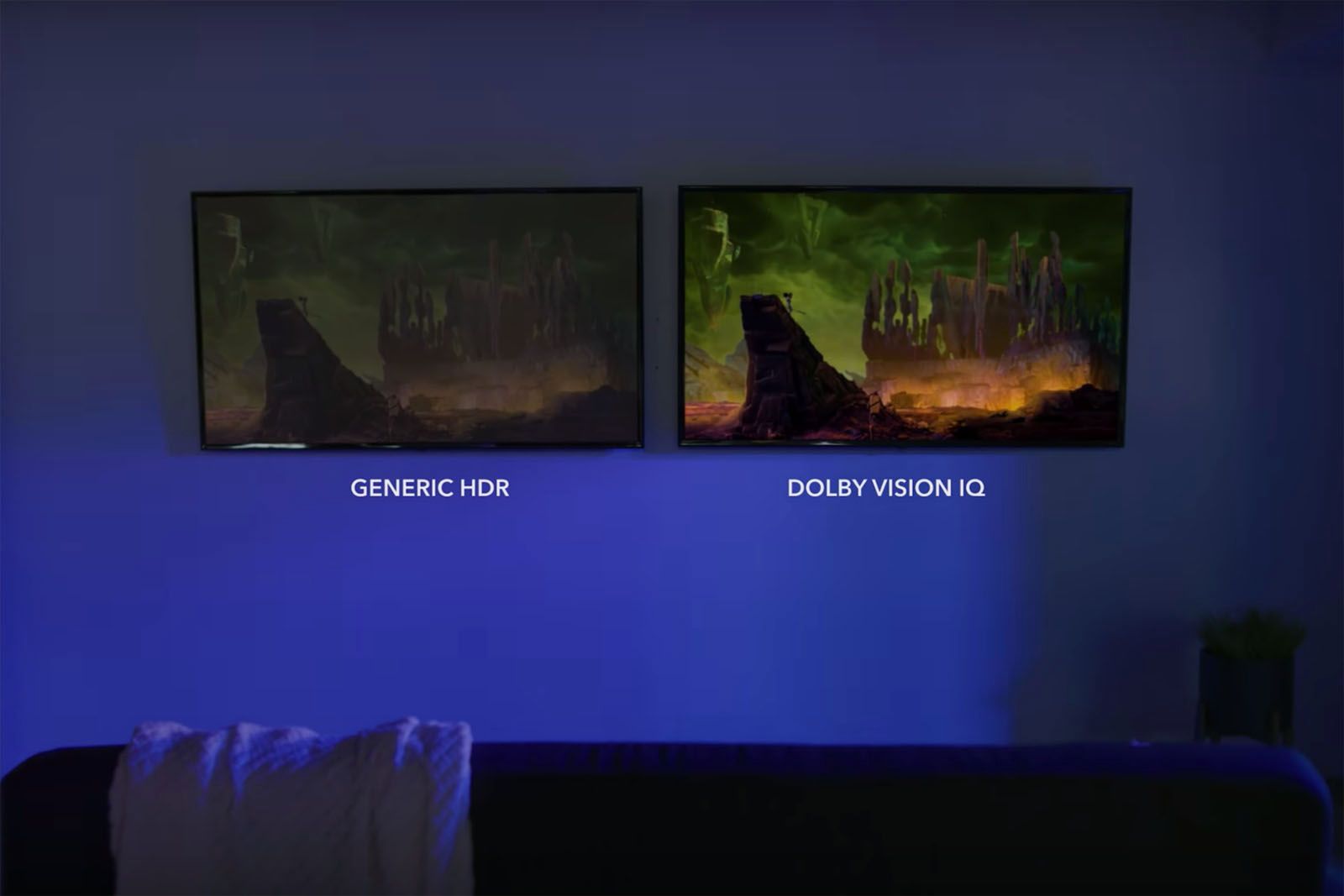
Standard Dolby Vision can struggle in bright rooms. A dark scene might become unwatchable if sunlight creates glare on the screen. Dolby Vision IQ solves this by using a hardware ambient light sensor to fine-tune brightness and color without losing the original artistic intent of the metadata, MakeUseOf reports.
This technology is part of a “superset” of the UHD Alliance’s Film Maker Mode (FMM). While FMM focuses on the creator’s vision, Vision IQ preserves those white point levels while adding room-specific optimizations. This process is powered by a feature called Light Sense.
What is the difference between Dolby Vision 2 and Vision 2 Max?
Dolby announced Dolby Vision 2 last September, introducing a tiered system for hardware. The main distinction is the hardware requirement: Dolby Vision 2 Max requires an ambient light sensor to function. For the standard Dolby Vision 2, the sensor remains optional, though it’s necessary to unlock the Light Sense feature.
Hardware integration is already beginning. Hisense is implementing Dolby Vision 2 support via the MediaTek Pentonic 800 chip and its “MiraVision Pro PQ Engine,” according to MakeUseOf. On the content side, the streaming service Peacock has committed to producing Dolby Vision 2 content.
How does Automatic Playback Optimization work?
Dolby uses “Level 11 metadata” for Dolby Atmos to power Automatic Playback Optimization. This system identifies the type of content being played to adjust the TV’s processing automatically. MakeUseOf identifies five distinct content types: Movies, Game, Sport, User-Generated Content, and Default.
- Game: Prioritizes lower latency for faster response times.
- Movies: Limits post-processing to keep the image cinematic.
- Sport/UGC: Adjusts noise reduction, sharpness, and frame-rate conversion.
HDR Standard Comparison
| Standard | Color Depth | Metadata | Room Adaptation |
|---|---|---|---|
| HDR10 | 10-bit | Static | No |
| HDR10+ | 10-bit | Dynamic | No |
| Dolby Vision | 12-bit | Dynamic | Yes (with IQ/Vision 2) |
Frequently Asked Questions
Will my current Dolby Vision TV support Dolby Vision 2?
Generally, no. Dolby Vision 2 and 2 Max require new hardware, such as specific MediaTek chips and ambient light sensors, which cannot be added via software updates.
Do I need a light sensor for basic Dolby Vision?
No. Basic Dolby Vision works without a sensor. However, you need one for Dolby Vision IQ, Light Sense, and Dolby Vision 2 Max.
What is the benefit of 12-bit color over 10-bit?
12-bit color allows for a significantly higher number of color gradations, reducing “banding” in gradients (like sunsets) and providing a more lifelike image.
Are you planning to upgrade your TV for Dolby Vision 2, or is 10-bit HDR enough for your living room? Let us know in the comments below or subscribe to our newsletter for the latest in display tech.