
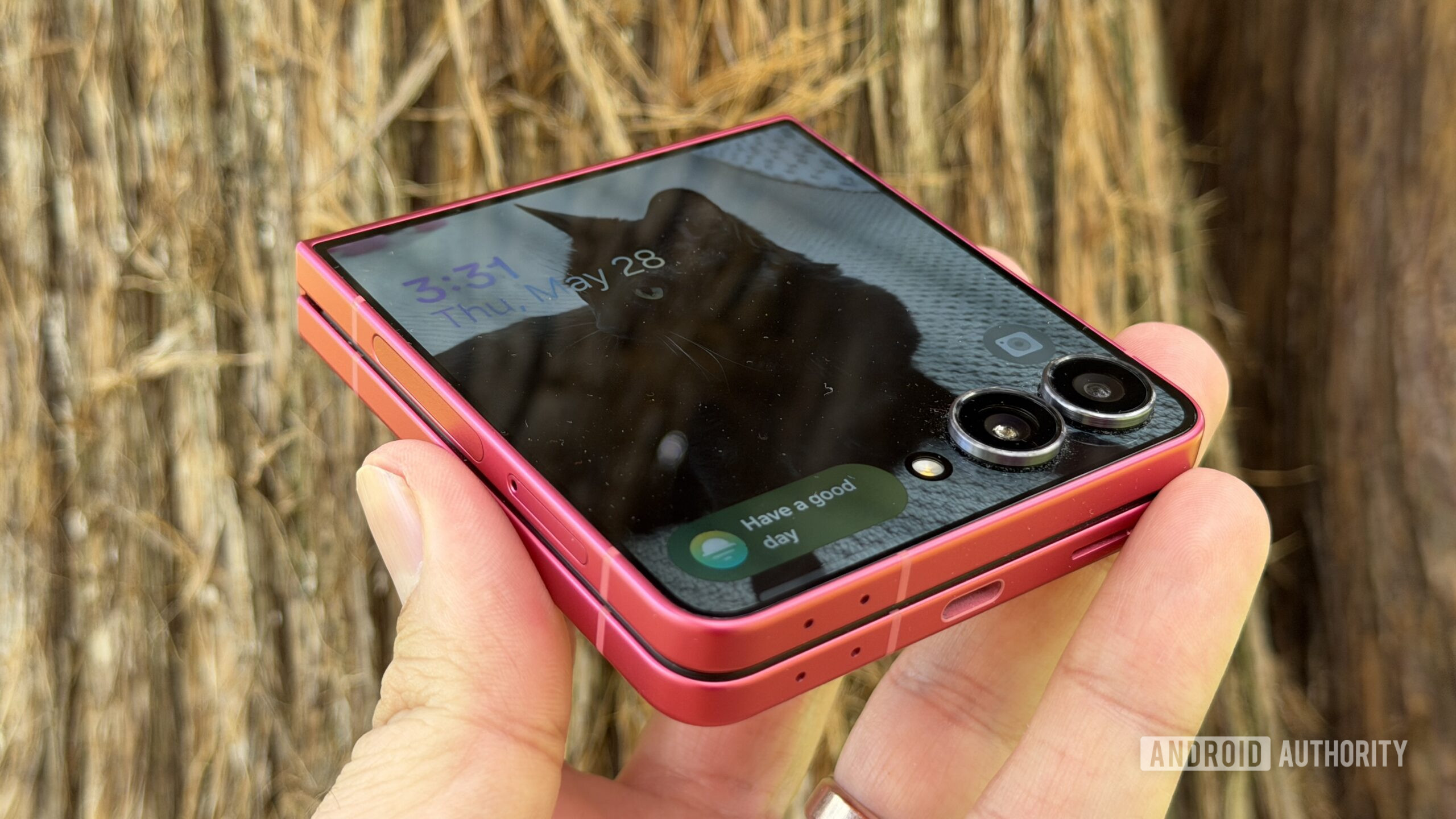
Don’t get your hopes up for this Galaxy Z Flip 8 upgrade
The Folding Future: Why Charging Speeds and Chipset Strategies Matter for Samsung’s Next Flip
The smartphone industry is at a crossroads. As hardware innovation slows, the focus for giants like Samsung has shifted from radical physical redesigns to optimizing the “unseen” internals. Recent certification filings for the upcoming Galaxy Z Flip 8 reveal a familiar story: steady, iterative progress rather than a total overhaul. But for power users and tech enthusiasts, these details tell us exactly where the foldable market is heading.
The 25W Charging Ceiling: Stagnation or Strategy?
The latest SGS certification database listing confirms that the Galaxy Z Flip 8 will stick with 25W wired charging. While some might view this as a disappointment in an era where competitors are pushing 67W or even 120W, there is a technical rationale behind Samsung’s conservative approach.
Foldables are engineering marvels with incredibly tight internal space. Managing heat dissipation in a device that folds in half is significantly more complex than in a traditional “slab” phone. By sticking to 25W, Samsung prioritizes long-term battery health and safety—two factors that are critical for the longevity of a foldable hinge and display assembly.
The Rise of the Dual-Chip Strategy
Perhaps more intriguing than the charging speed is the growing buzz around a dual-chip strategy. By potentially splitting processing tasks, Samsung is looking to solve the primary complaint of the clamshell form factor: battery life.
Using a secondary, low-power chip to handle background tasks or the cover screen experience allows the primary application processor to remain idle for longer. This is a game-changer for the “cover screen” trend, where users increasingly interact with their devices without ever opening them.
What This Means for Daily Usage
- Better Thermal Management: Separating high-performance tasks reduces localized heat.
- Increased Battery Efficiency: Using a secondary chip for simple tasks (like checking notifications or weather) extends the screen-on time for the main display.
- Sustained Performance: Preventing the device from overheating ensures smoother gaming and multitasking.
The “Cover Screen” Revolution
The Z Flip series has evolved from a novelty to a daily driver. With rumors pointing toward a 4,300mAh battery and a 50MP primary sensor, the hardware is finally catching up to the premium price tag. The real trend here is utility-first design. Users no longer want a phone that is just “cool”; they want one that handles high-resolution photography and all-day productivity without compromise.
Frequently Asked Questions
Why does Samsung stick with 25W charging when others are faster?
Samsung prioritizes battery health and the unique thermal constraints of the folding form factor. Slower charging generates less heat, which is vital for the longevity of the internal components.
What are the benefits of a dual-chip architecture?
It allows for better power distribution. A dedicated, low-power chip handles simple tasks, which significantly improves overall battery life and reduces heat during basic operations.
Is the camera on the Z Flip 8 expected to be a major upgrade?
Leaks suggest a 50MP primary sensor. This indicates that Samsung is moving toward providing “flagship-grade” photography in the compact clamshell form factor, closing the gap between the Z Flip and the S-series.
Will these changes make the phone more expensive?
While component costs are rising, Samsung typically maintains a competitive pricing structure to drive adoption. However, the move to more advanced internal architecture suggests they are focusing on value retention rather than just cutting costs.
What is your biggest priority when buying a new foldable: battery life, camera quality, or the folding mechanism itself? Let us know in the comments below! If you found this breakdown helpful, subscribe to our newsletter for the latest in mobile tech analysis.