

DR Congo Denounces Ebola Travel Bans as Discriminatory and Unscientific
The Diplomatic Fallout: Why Ebola Travel Bans Are Back in the Spotlight
The recent surge of the Bundibugyo Ebola strain in the Democratic Republic of the Congo (DRC) has ignited a fierce international debate. With 906 suspected cases and 223 confirmed deaths, the humanitarian crisis is being compounded by a diplomatic one: the imposition of international travel restrictions.
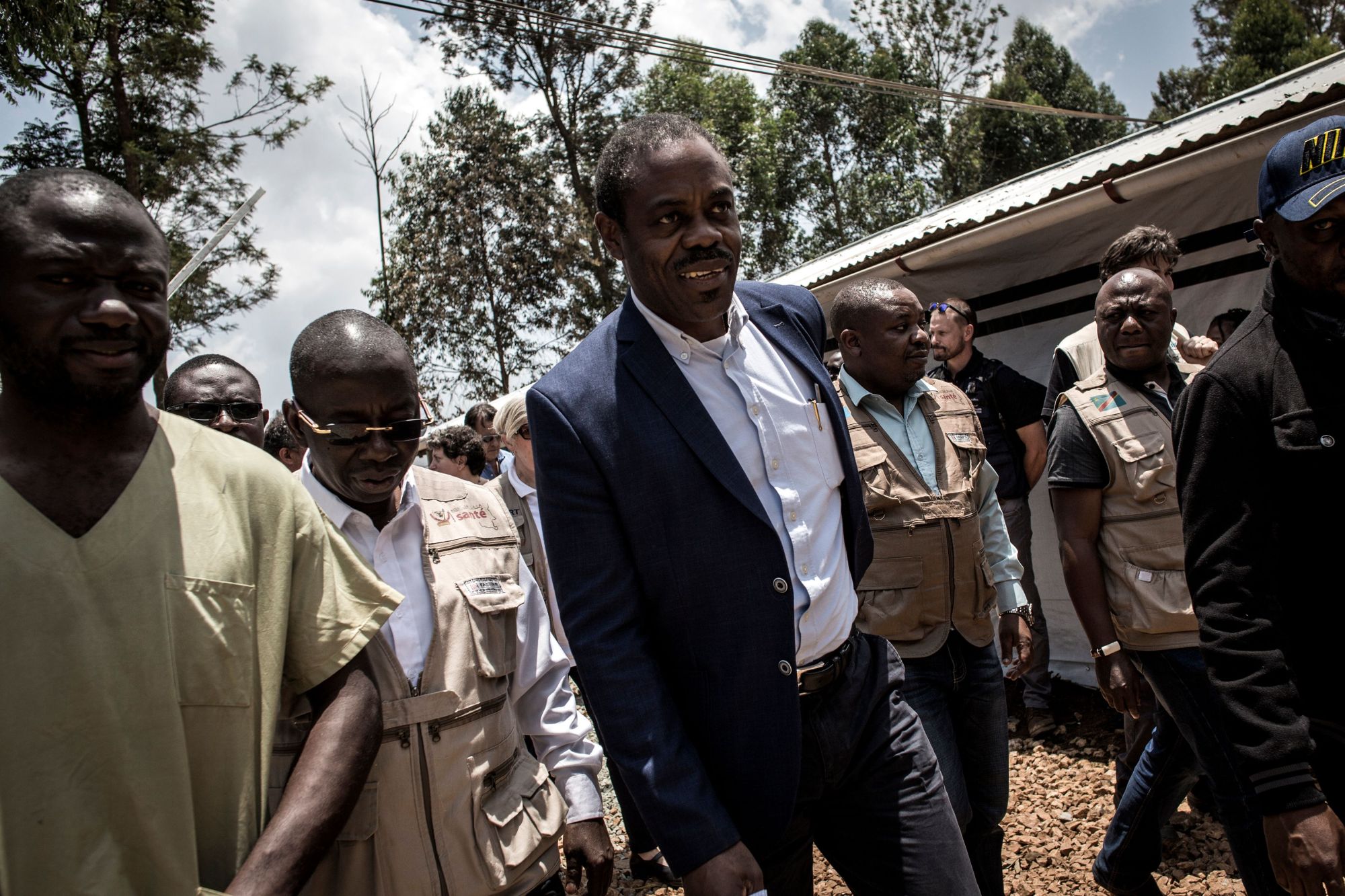
DRC Minister of Public Health Roger Kamba recently pushed back against these measures, labelling them “discriminatory” and lacking in scientific merit. As nations scramble to protect their borders, experts argue that these bans may do more harm than good, potentially stalling the very aid needed to stop the virus in its tracks.
The Ripple Effect: How Restrictions Hamper Containment
When countries implement blanket travel bans, the impact is rarely confined to tourism or business travel. In the DRC, the restrictions have created significant logistical bottlenecks. Supply chains for essential medical equipment—including diagnostic tests and personal protective equipment (PPE)—have been severely disrupted.

Health workers on the front lines are finding it increasingly difficult to secure the resources necessary to manage the outbreak. Without rapid testing and adequate protection, the risk of cross-border transmission actually increases, as local containment efforts are weakened by resource scarcity.
Data vs. Perception: The Scientific Consensus
Public health officials emphasize that Ebola is not transmitted through casual contact in the way respiratory viruses are. Strict travel bans are often perceived as “political theater” rather than evidence-based medical strategy. The consensus among global health leaders is that robust screening, contact tracing, and strengthening local healthcare infrastructure are far more effective than isolationist policies.
Future Trends: Balancing Security and Global Solidarity
Looking ahead, the tension between national security and global health cooperation is likely to intensify. We are seeing a shift toward “smart borders”—digital health passports and integrated data-sharing agreements—that aim to manage risk without resorting to total shutdowns.
- Increased Transparency: Nations will face more pressure to provide real-time genomic sequencing data to avoid being “blacklisted” by major economies.
- Economic Diversification: Countries vulnerable to outbreaks are beginning to prioritize domestic manufacturing of medical supplies to reduce reliance on fragile global supply chains.
- Diplomatic Mediation: International bodies are expected to play a larger role in mediating disputes between nations to ensure that travel policies remain grounded in public health data rather than political optics.
Frequently Asked Questions
- Why are travel bans considered discriminatory?
- Critics argue that when bans are not based on specific scientific risk assessments and target entire nations regardless of the infection’s geographic spread, they unfairly stigmatize countries and damage their economies.
- How does the WHO view travel restrictions?
- The WHO generally opposes blanket travel bans, warning that they can undermine containment efforts by discouraging transparency and hindering the delivery of essential aid.
- What is the most effective way to stop an Ebola outbreak?
- The most effective strategy involves early detection, rapid isolation, safe burial practices, and robust contact tracing, supported by a well-equipped and protected healthcare workforce.
Stay Informed on Global Health Trends
The landscape of international public health is evolving rapidly. Don’t miss our upcoming deep dive into how emerging technologies are revolutionizing pandemic response.
Have thoughts on the impact of travel restrictions? Let us know in the comments below!