
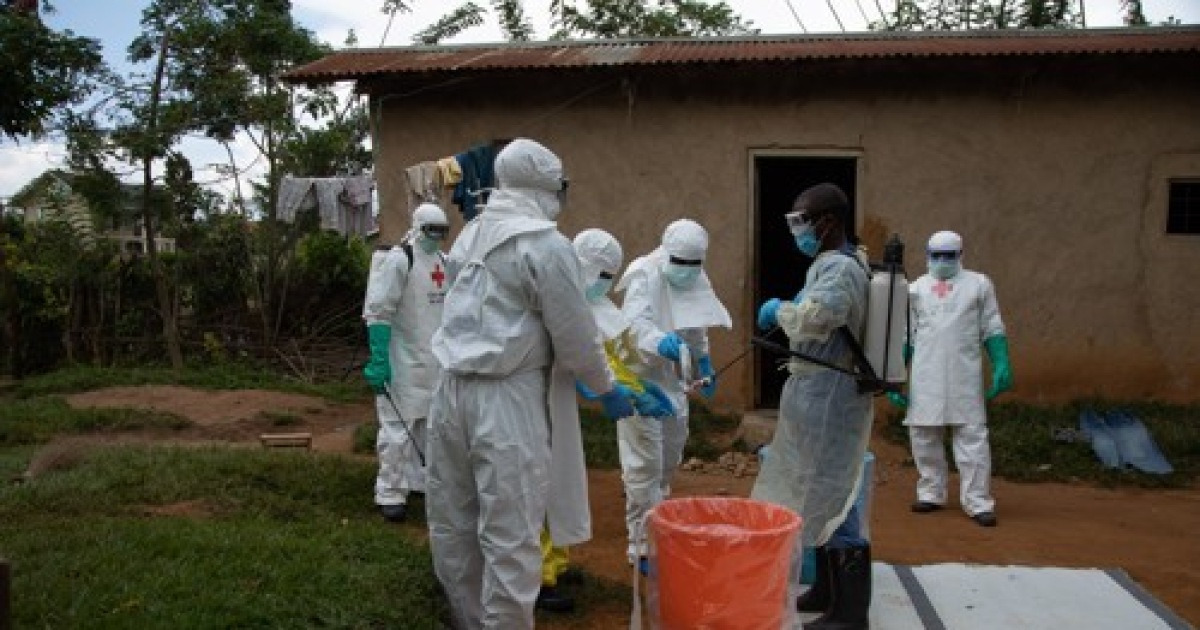
DR Congo Ebola cases rise to 837 as response faces insecurity, community resistance-Xinhua
Confirmed Ebola cases in the Democratic Republic of the Congo (DRC) have reached 837, with 196 deaths reported according to the DRC health ministry. The World Health Organization (WHO) warns the outbreak is deteriorating due to sustained community transmission and geographic expansion across Ituri and North Kivu provinces.
What are the current Ebola case numbers and fatality rates?
The DRC health ministry reports a case fatality rate of 23.4 percent. Of the 837 confirmed cases, 49 patients have recovered and 376 remain in isolation.
The outbreak is caused by the Bundibugyo Ebola virus. It remains concentrated in hotspot zones within the Ituri province, specifically in Rwampara, Mongbwalu, and Bunia.
Why is the outbreak continuing to expand?
The WHO reports that the situation is deteriorating because of sustained community transmission and a widening geographic distribution of affected health zones. Transmission persists in mining-linked settings and urban areas.
Response operations face several constraints. According to the WHO, these include suboptimal contact follow-up rates in certain provinces and community resistance in affected areas.
How is insecurity impacting health response efforts?
Armed violence and displacement in the conflict-hit east of the DRC have created persistent challenges. Provincial health authorities in North Kivu reported that “armed men” took away a woman and her child who had tested positive for Ebola late Monday.
The WHO indicates that weak health infrastructure in these regions further complicates the ability to contain the virus.
What is the risk of cross-border transmission?
Uganda has reported 19 confirmed cases and 2 deaths, according to a Tuesday update from the Africa Centres for Disease Control and Prevention.
The WHO stated that no new confirmed cases were reported in Uganda during the most recent reporting period. However, the organization warns that an ongoing epidemiological link to the DRC underscores the risk of secondary transmission and cross-border spread.
What may happen next?
The outbreak could continue to expand into newly affected zones if community transmission is not contained. Response efforts may remain constrained as long as insecurity and community resistance persist in the Ituri and North Kivu provinces.
There is a possible risk that the virus could spread further into neighboring countries if cross-border links are not managed.
Frequently Asked Questions
What is the current case fatality rate for this outbreak?
According to the DRC health ministry, the case fatality rate is 23.4 percent.
Which specific areas are considered major hotspots?
The outbreak is concentrated in Bunia, Mongbwalu, and Rwampara within the Ituri province.
How many cases have been confirmed in Uganda?
The Africa Centres for Disease Control and Prevention reported 19 confirmed cases and 2 deaths in Uganda.
How should international health organizations balance medical response with security risks in conflict zones?