
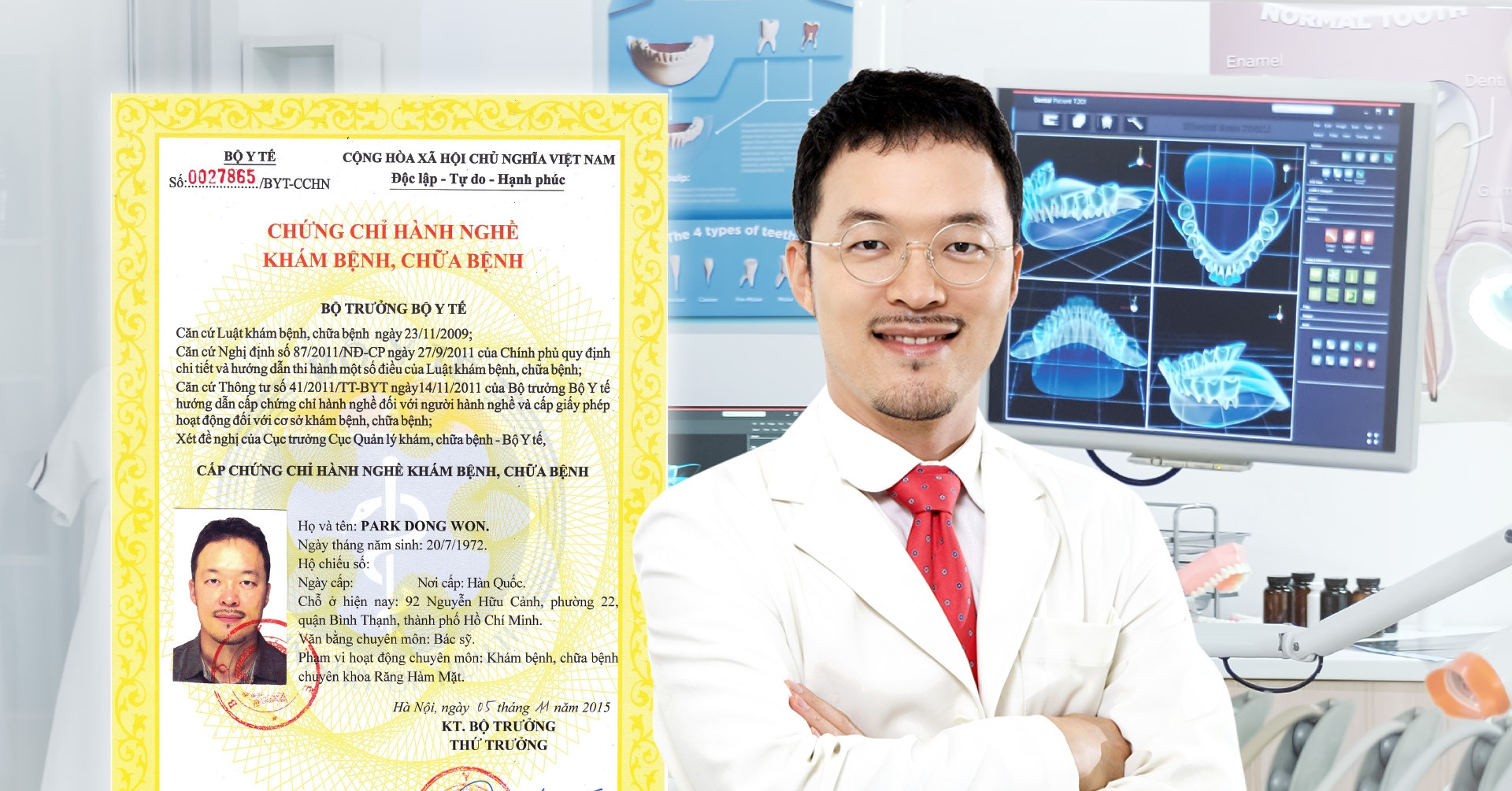
Dr. Park Dong Won: The Art of Natural Smile Design in Aesthetic Dentistry
Dr. Park Dong Won, a specialist with over 30 years of experience in restorative and aesthetic dentistry at the Thanh Hang Beauty Medi clinic, advocates for a “smile design” approach that prioritizes facial harmony over extreme tooth whitening. By utilizing advanced micro-surgical techniques and precise anatomical analysis, his practice aims to balance aesthetic results with long-term oral health and functional stability.
The Philosophy of Natural Smile Design
According to Dr. Park Dong Won, modern aesthetic dentistry—influenced by trends in the United States and South Korea—is moving away from the pursuit of overly bright, artificial-looking teeth. Instead, he emphasizes that a successful aesthetic intervention should align with the patient’s age, gender, facial structure, and lifestyle. Dr. Park, who earned his doctorate in aesthetic dentistry from New York University (NYU), argues that the true value of dental work lies in the patient’s daily confidence and comfort rather than radical physical alteration.

Did You Know? Dr. Park Dong Won holds a doctorate in aesthetic dentistry from New York University and has spent over three decades refining his clinical approach to restorative and cosmetic dental procedures.
Clinical Precision in Restorative Dentistry
Dr. Park’s methodology focuses heavily on the “sensitive contact zone”—the precise boundary where a veneer or implant meets the gum line. By meticulously calculating this fit, the clinic aims to prevent common post-procedure issues such as food impaction, gingivitis, bleeding, and chronic bad breath. This level of technical planning is designed to ensure that aesthetic upgrades do not compromise the underlying health of the gingival tissue over time.
Expert Insight: The emphasis on micro-surgical accuracy at the gum interface suggests that long-term patient satisfaction is heavily dependent on the prevention of secondary periodontal inflammation. By integrating physiological occlusion and muscle movement analysis into his implant planning, Dr. Park shifts the focus from simple prosthetic placement to a comprehensive rehabilitation of the patient’s oral mechanics.
Managing Complex Medical Interventions
Beyond cosmetic enhancements, the clinic manages varied medical scenarios. Recent reports from the Viet Duc Friendship Hospital (VHO) highlight the necessity of specialized surgical care, citing a case involving a 37-year-old patient from Phu Tho province who suffered a severe workplace accident. The patient required medical intervention after being impaled by a 1.5-meter iron bar in the thigh, illustrating the diverse range of surgical challenges within the broader medical landscape in Vietnam.
What May Happen Next
For patients pursuing restorative dental work, the current focus on “customized” aesthetics suggests that diagnostic consultations will likely become more intensive. Future procedures may increasingly rely on detailed digital or physical mapping of jawbone structures and facial muscle proportions to ensure stability. As clinics continue to adopt these micro-surgical standards, patients can expect a greater emphasis on the longevity of implants rather than just their immediate visual impact.
Frequently Asked Questions
What is the primary goal of Dr. Park Dong Won’s “smile design” approach?
The primary goal is to achieve natural harmony with the patient’s facial features and lifestyle, rather than creating teeth that are excessively white or appear artificial.
How does the clinic prevent long-term complications like gingivitis after veneer placement?
The clinic uses precise calculations to adjust the contact zone between the tooth and the gum, which helps eliminate food impaction and prevents the irritation that leads to bleeding or bad breath.
What factors are analyzed before placing dental implants?
Dr. Park analyzes the patient’s jawbone structure, physiological occlusion, and the proportions of facial muscles during movement to ensure the implant provides stable mastication and a natural appearance.
How do you prioritize the balance between aesthetic dental improvements and your long-term oral health?