
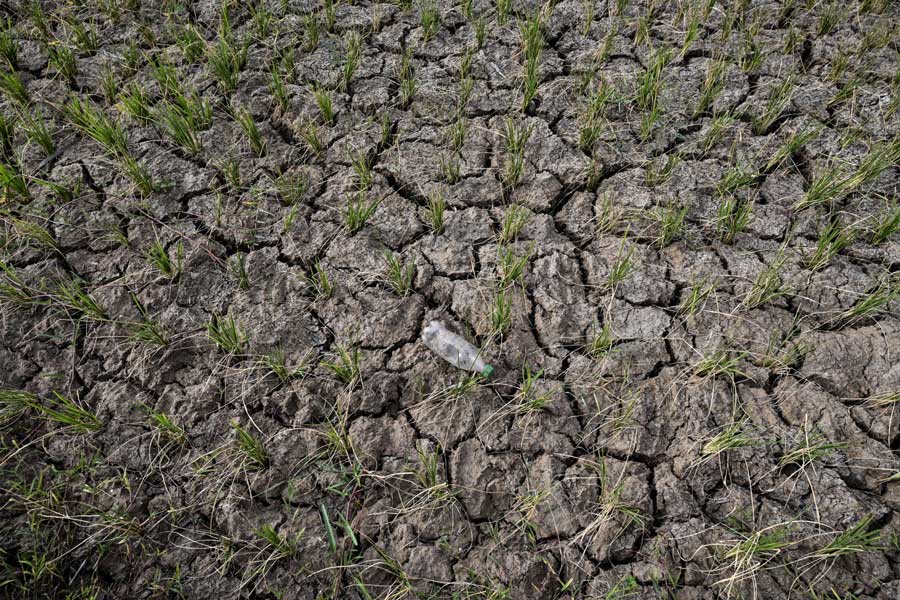
Drought grips parts of Indonesia’s Java as dry season intensifies – Asia News Network
Drought is causing clean water shortages across Java, Indonesia, as the Meteorology, Climatology and Geophysics Agency (BMKG) predicts a dry season peak in August. According to the National Disaster Mitigation Agency (BNPB), residents in West and Central Java are already struggling for water, with El Niño expected to extend these conditions into early 2027.
Which regions are facing clean water shortages?
The National Disaster Mitigation Agency (BNPB) reported that prolonged dry conditions have triggered water shortages across parts of Java. In Bekasi regency, West Java, residents of Ridogalih village in the Cibarusah district have gone a month without rainfall, leaving 296 households and approximately 800 people struggling to access clean water.
Similar shortages affect Babakan Madang district in Bogor regency, where Tribunnews.com reports over 400 people from 137 families lack water. In Central Java, BNPB data shows drought has hit three villages in the Kemalang district of Klaten regency, affecting 393 households and roughly 1,445 people.
Why is the 2026 dry season expected to be more severe?
BMKG climatology deputy head Ardhasena Sopaheluwakan attributed the severity to El Niño, a phenomenon characterized by unusually warm sea surface temperatures in the central and eastern Pacific Ocean. Ardhasena stated on June 10 that El Niño is predicted to persist until early 2027, which could make this year’s dry season longer and drier than average.
The BMKG forecasts that dry conditions will intensify between July and September. This shift increases the risk of forest and land fires alongside the existing drought risks, according to agency forecasts issued last week.
What measures are being taken to mitigate the drought?
The Bekasi Disaster Mitigation Agency (BPBD) is currently distributing water to affected residents, a move the BNPB confirmed in a social media post on Monday. To prepare for the August peak, the BMKG has urged water resource agencies to improve distribution networks and revitalize reservoirs.
House of Representatives Speaker Puan Maharani called for emergency measures and long-term infrastructure development. As quoted by Antara on Monday, Maharani advocated for rainwater harvesting and the construction of infiltration wells in drought-prone areas to manage the entire water chain.
How does this impact vulnerable populations?
A report released Tuesday by the United Nations Children’s Fund (UNICEF) found that nearly all children globally are exposed to at least one climate hazard. Indonesia received a score of 7.5 out of 10, ranking it among the countries with the highest numbers of children exposed to drought.

UNICEF attributed this vulnerability to Indonesia’s reliance on agriculture for food security and its proximity to the equator, which increases exposure to heat stress.
Frequently Asked Questions
When is the dry season expected to peak in Indonesia?
According to BMKG head Teuku Faisal Fathani, the dry season is expected to peak in August.
How long is the El Niño phenomenon expected to last?
BMKG climatology deputy head Ardhasena Sopaheluwakan predicted that El Niño will persist until early 2027.
Which specific infrastructure did Puan Maharani suggest for drought mitigation?
House Speaker Puan Maharani suggested the construction of infiltration wells and the implementation of rainwater harvesting.
How should governments balance immediate emergency water relief with the cost of long-term climate infrastructure?