
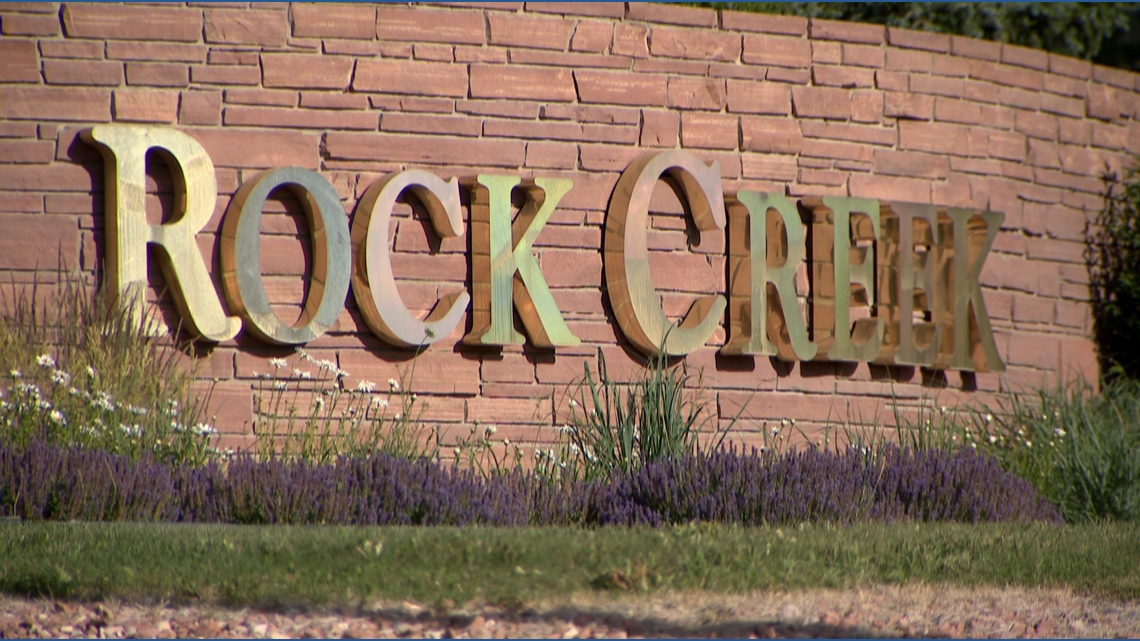
During Colorado’s historic drought, one HOA in Superior is handing out violations for brown grass
The Rock Creek Master Homeowners Association in Superior, Colorado, is requiring residents to address brown lawns despite a statewide drought emergency. While homeowners argue that dry grass is a necessary byproduct of water conservation, the association maintains that property appearance standards remain in effect because the town has not enacted mandatory watering restrictions.
Outdoor irrigation accounts for approximately 45% of the total water supply use in the town of Superior, according to town officials.
HOA Enforcement During Drought Conditions
Homeowners in the Rock Creek neighborhood have begun receiving notices regarding “landscape maintenance” as Colorado faces historically severe drought conditions. James Shima, a resident, reported receiving a notice on June 11 requesting that he address brown turf or dirt areas on his property. The association gave residents 30 days to either correct the issue or submit a timeline for completion, warning that failure to act could lead to an escalation of the violation process.
The Rock Creek Master Homeowners Association stated in an email to residents that its fiduciary duty involves protecting community appearance and property values. The association noted that because Superior has not implemented mandatory watering restrictions, the state’s drought declaration does not automatically exempt homeowners from maintenance requirements.
Samantha Carter notes that this situation highlights a growing tension between private community bylaws and public resource management. When local municipalities do not trigger mandatory restrictions, HOAs often maintain legal authority to enforce aesthetic standards, even when those standards conflict with voluntary conservation goals encouraged by state leadership.
Legal Context and Potential Consequences
Current Colorado law prohibits HOAs from enforcing rules that would force a homeowner to violate local water restrictions. However, the governor’s office acknowledged that this protection may not extend to residents who are voluntarily reducing water use in areas like Superior, where no mandatory restrictions are in place. The governor’s office expressed concern regarding the possibility of HOAs fining residents who are choosing to limit lawn watering to support state conservation efforts.
While no residents in Rock Creek have been confirmed as fined by the association, the situation could lead to further conflict if the drought persists and more residents prioritize water savings over lawn appearance. Future developments may depend on whether the town of Superior moves toward mandatory restrictions, which would legally override the HOA’s current enforcement stance.
Frequently Asked Questions
Why is the Rock Creek HOA issuing notices for brown grass?
The HOA states that its fiduciary duty is to protect property values and the appearance of the community, and that state drought conditions do not automatically suspend these maintenance requirements.
Are residents legally required to keep their lawns green during the drought?
According to the governor’s office, Colorado law prohibits HOA enforcement if it forces a homeowner to violate local water restrictions. Because Superior has not issued mandatory restrictions, the HOA continues to enforce its own appearance standards.
What happens if a resident does not address the brown grass?
The violation notice sent to residents indicates that failure to contact the association or submit a plan within 30 days may result in an escalation of the violation process.
How should homeowners balance community aesthetic standards with the urgent need to conserve water during a drought?