
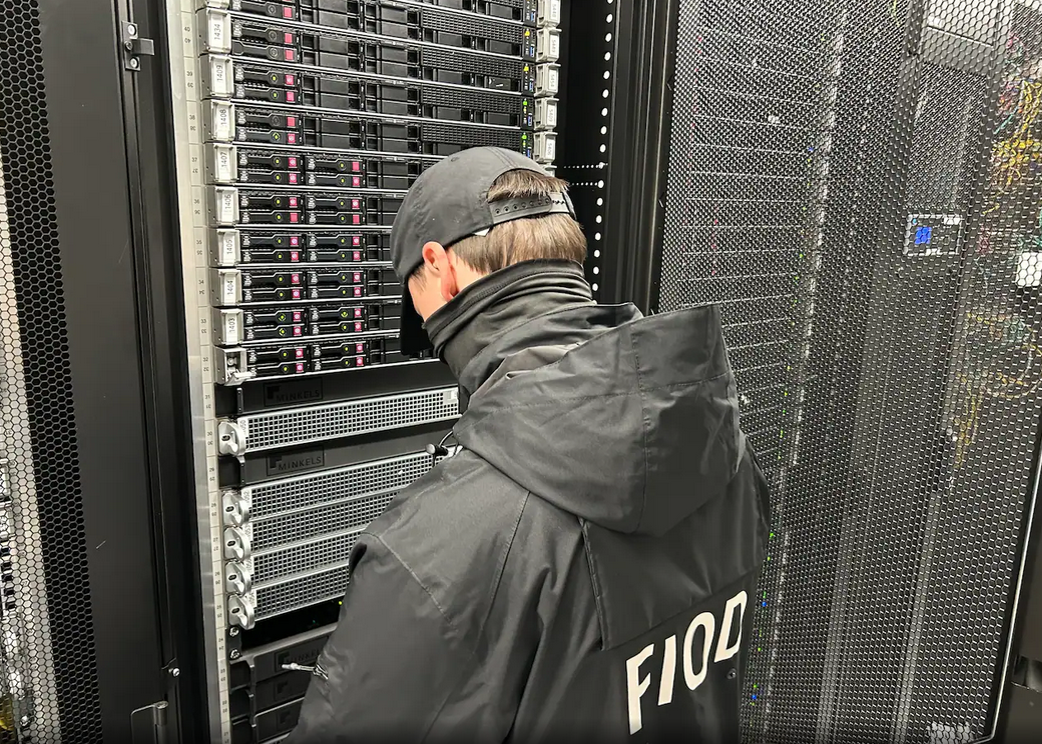
Dutch Authorities Arrest Hosting Company Owners Linked to Russian Cyberattacks
The ‘Hidden in Plain Sight’ Strategy: The New Era of Cyber Infrastructure
For years, the narrative around “bulletproof hosting” involved rogue servers tucked away in remote corners of the globe—places where local laws were lax and authorities looked the other way. But the landscape has shifted. We are now seeing a sophisticated trend where state-sponsored cyber operations embed themselves within the heart of Western democracies.
The recent crackdown on hosting providers in the Netherlands reveals a chilling reality: the most effective way to evade detection isn’t to hide in a basement in a sanctioned country, but to operate a legitimate-looking business in a high-trust jurisdiction like the EU.
By blending malicious traffic with legitimate commercial services, these entities create a “digital camouflage” that makes it incredibly difficult for security analysts to distinguish between a standard business operation and a staging ground for a state-sponsored DDoS attack.
The Cat-and-Mouse Game of Sanctions Evasion
As global powers increasingly use economic sanctions to curb cyber warfare, the architects of these attacks have evolved. We are moving toward a model of infrastructure fluidity.
When a specific provider is sanctioned, the assets aren’t simply deleted; they are migrated. We see a pattern of “shell-hopping,” where technical infrastructure is transferred to new entities—often controlled by the same individuals—just days or weeks before sanctions are officially announced.
This suggests a dangerous leak in the intelligence pipeline. When the targets of sanctions know they are coming, they can pivot their IP ranges and server clusters faster than the legal paperwork can be processed. This creates a “whack-a-mole” scenario for international law enforcement.
The Role of Proxy and Anonymity Services
The future of this trend lies in the proliferation of sophisticated proxy networks. By routing traffic through a series of legitimate Dutch, German, or American servers, attackers can make a Russian-backed influence operation look like it’s originating from a local coffee shop in Copenhagen or a corporate office in Brussels.
This not only protects the attacker but also poisons the data used by cybersecurity firms to attribute attacks to specific nation-states, leading to “false flag” operations that can destabilize diplomatic relations.
The Weaponization of Hybrid Infrastructure
We are witnessing the rise of Hybrid Infrastructure—where legitimate cloud services and hosting companies are co-opted, either wittingly or unwittingly, to serve as conduits for hybrid warfare.
In these scenarios, a company might provide standard hosting to thousands of innocent clients while simultaneously dedicating a hidden slice of its server capacity to a state intelligence agency. This “dual-use” model ensures that if the authorities shut down the malicious activity, they risk causing significant collateral damage to legitimate businesses.
Real-world data suggests that this approach is particularly effective during sensitive geopolitical windows, such as national elections. By utilizing local infrastructure, attackers can bypass geo-blocking filters and reach targets with higher success rates.
Future Trends: AI and the Automation of Evasion
Looking ahead, the integration of Artificial Intelligence will likely accelerate the speed of infrastructure migration. People can expect to see AI-driven systems that monitor sanction lists and media leaks in real-time, automatically triggering the migration of server workloads to new, unsanctioned jurisdictions before a human investigator can even open a file.
the use of ephemeral infrastructure—servers that exist for only a few hours to carry out a specific task before self-destructing—will become the norm. This leaves forensic investigators with nothing but “ghost” logs and dead ends.
To counter this, we will likely see a shift toward behavioral attribution. Instead of tracking *where* an attack comes from (IP addresses), security agencies will focus on *how* the attack is conducted (TTPs – Tactics, Techniques, and Procedures), which are much harder for an attacker to change than a server location.
The Intersection of Financial Crime and Cyber Warfare
The involvement of agencies like the FIOD (the Dutch financial crimes agency) signals a critical shift. Cyber warfare is no longer just a technical problem for IT departments; it is a financial crime problem. The money trail—how these hosting companies are funded and how profits are laundered—is becoming the primary way to dismantle these networks.

Expect to see more coordination between Interpol, financial intelligence units, and cybersecurity firms to map the economic ecosystems that support state-sponsored hacking.
Frequently Asked Questions
How can I tell if my hosting provider is “bulletproof”?
Signs include a lack of transparency regarding their physical location, an absence of a clear “Acceptable Use Policy,” and a history of ignoring abuse reports from other network operators.
Do sanctions actually stop cyberattacks?
Sanctions increase the cost of doing business for attackers. While they may not stop a determined nation-state, they force them to use more complex, expensive, and unstable infrastructure, which increases the likelihood of them making a mistake that leads to their discovery.
What is the difference between a proxy and a VPN in this context?
While both hide the user’s origin, proxies are often used in bulk to create “botnets” that can launch massive DDoS attacks, whereas VPNs are typically used for individual privacy. State actors use massive proxy networks to mimic legitimate user traffic.
Stay Ahead of the Digital Threat
The line between legitimate business and cyber warfare is blurring. Are you protected against the latest infrastructure threats?
Join our newsletter for deep-dives into cybersecurity trends or share your thoughts on the future of digital sovereignty in the comments below.