
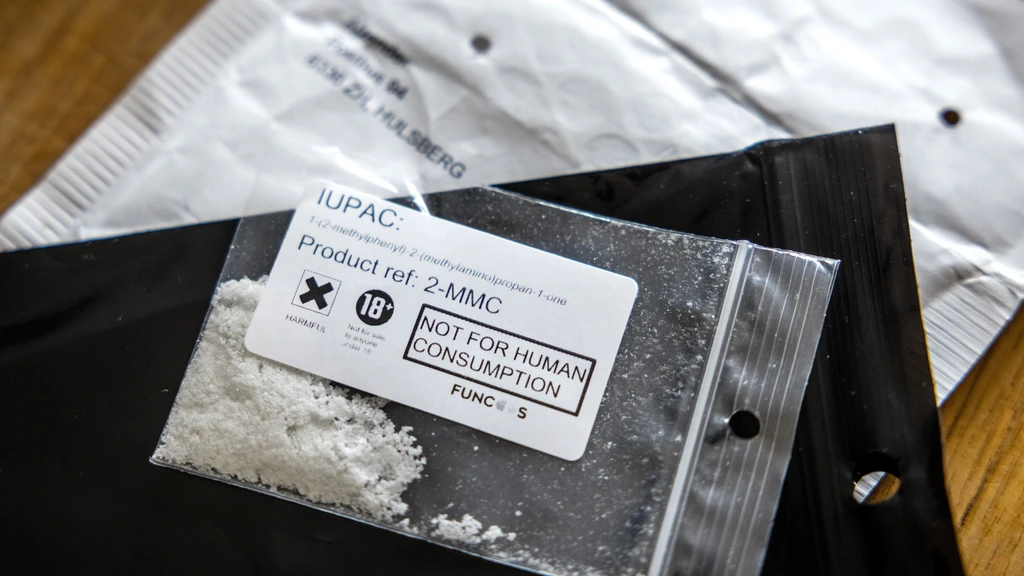
Dutch Companies Import €2 Billion Worth of Designer Drugs From India
A sophisticated, illicit trade network has funneled massive quantities of dangerous designer drugs into the Netherlands, generating an estimated street value of nearly two billion euros. Investigative reporting has uncovered a systematic pipeline between Indian laboratories and Dutch distributors, revealing how easily synthetic substances are manufactured and imported to bypass existing regulations.
The Scale of the Pipeline
Between 2019 and 2025, thirty Dutch importers—ranging from individual webshop operators to wholesale entities—placed over 700 orders for raw materials, cutting agents, and finished designer drugs. These shipments totaled 153,000 kilograms, with importers paying approximately 46.2 million euros for the inventory. The substances, which include stimulants, ketamine-like chemicals, and the potent drug known as “flakka,” are frequently resold within the Netherlands and to international customers.
The health risks associated with these imports are significant. The National Poisons Information Center has reported a year-on-year increase in poisoning cases linked to these substances. Medical consequences documented include addiction, severe cardiovascular issues such as heart attacks and high blood pressure, psychosis, brain damage, and in some instances, death.
The Cat-and-Mouse Game
Regulators face a persistent challenge due to the chemical flexibility of these products. As soon as a specific substance is added to the Opium List and rendered illegal, manufacturers alter a single molecule to create a new, technically legal variant. While a “group ban” implemented on July 1, 2025, aimed to outlaw entire categories of substances, certain chemicals—such as specific addictive benzodiazepines—continue to fall outside these restrictive measures.
What Lies Ahead
Given the profitability of the trade, It’s likely that distributors will continue to adapt to enforcement actions by shifting to more obscure digital platforms. As authorities struggle with the jurisdictional limitations of blocking foreign-based websites, the reliance on international cooperation—particularly with India—is expected to intensify. Law enforcement agencies have signaled that addressing the leakage of legal pharmaceutical precursors into the illicit market remains a top priority for future drug control strategies.
Frequently Asked Questions
What are designer drugs?
They are also known as research chemicals or ‘new psychoactive substances’ (NPS). These are substances designed to mimic the effects of illegal drugs while being chemically altered just enough to technically remain outside the scope of current legislation.
Why are these drugs considered dangerous?
Despite their initial legal status, these substances are linked to severe health risks, including heart attacks, psychosis, brain damage, seizures, coma, and death. Poisoning reports linked to these chemicals have been increasing annually.
How do traders bypass government bans?
Traders engage in a constant cycle of molecular modification. When one substance is banned, they alter its chemical structure slightly to create a new, non-prohibited version. They often move their online storefronts to foreign domains or encrypted messaging apps to evade local regulatory oversight.
How should governments balance the need for rapid regulatory updates with the challenge of an ever-evolving chemical market?