
E3 Urge Russia-Ukraine Talks Amid Severe Fuel Crisis in Crimea
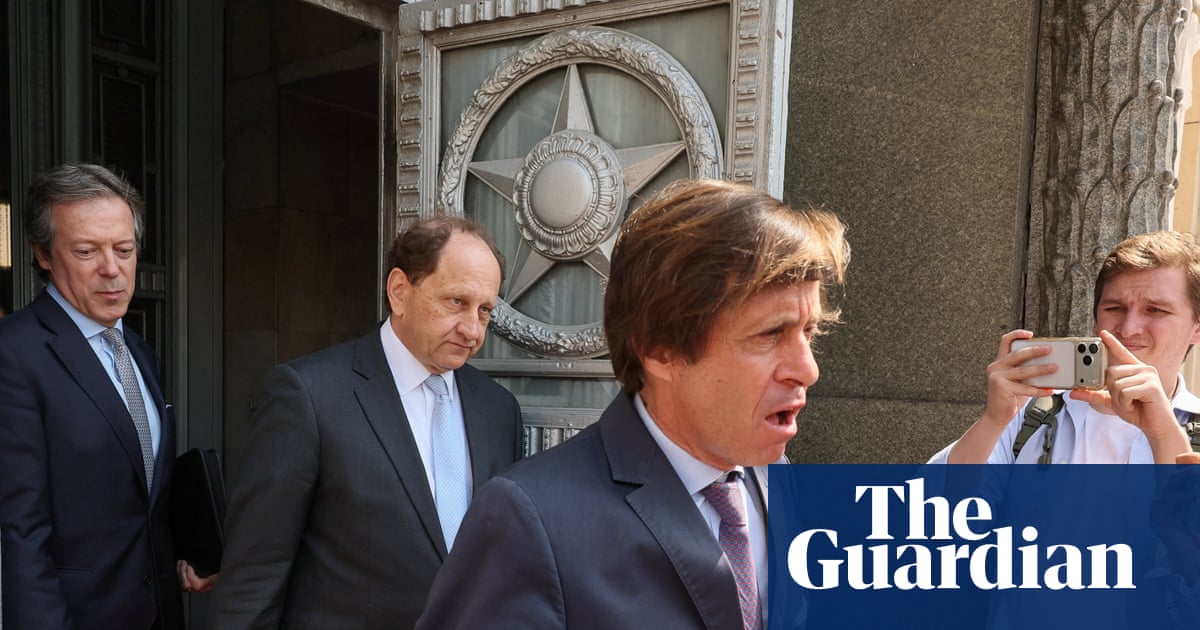
Ambassadors from the UK, France, and Germany (E3) recently urged direct talks between Moscow and Kyiv during a meeting at Russia’s foreign ministry. Simultaneously, Ukrainian strikes on supply routes have triggered fuel shortages in Crimea, forcing the Russian government to develop a fuel forecasting system to manage regional deficits, according to Reuters.
Why are European powers pushing for direct Russia-Ukraine talks?
The E3 grouping—the UK, France, and Germany—is attempting to bridge the gap between Moscow and Kyiv after meeting with President Volodymyr Zelenskyy in London. In a joint statement following a meeting at Russia’s foreign ministry on Thursday, the three nations confirmed they conveyed Zelenskyy’s urge for direct negotiations to Russian officials.

European ambassadors rarely meet with Russian officials during the conflict, though the foreign ministry frequently summons them. Moscow responded by calling the E3’s policy “destructive,” claiming the countries seek to continue the war on behalf of Ukraine at Europe’s expense.
This diplomatic push comes as US-led efforts have stalled, partly sidelined by the Iran war. While Russia has historically preferred dealing with the Trump administration and avoided European involvement, France and other Western European nations have floated restarting a dialogue to end the hostilities.
How are Ukrainian strikes affecting Russian fuel supplies?
Ukrainian drone attacks have crippled the logistics network feeding the Russian-held Crimean peninsula. Reuters witnesses reported that fuel stations in Sevastopol, the peninsula’s largest city, were out of petrol on Thursday despite rationing. In Yevpatoriya, long queues formed at the only working station.

The disruption is systemic. Russian-backed Sevastopol governor Mikhail Razvozhaev stated that strikes on supply routes prevented trucks from delivering fuel. Ukrainian forces have targeted road, rail, and sea barge shipments.
Tactical strikes have focused on critical bottlenecks. Ukrainian commander Dmytro Filatov told Ukrainian media that the Chonhar Bridge suffered “critical” damage, halting traffic. Additionally, strikes in Armiansk destroyed trucks carrying ammunition and fuel, cutting the only overland link between Crimea and the Russian mainland.
Will Russia’s fuel crisis spread beyond Crimea?
The fuel shortage isn’t limited to the front lines. Deputy Prime Minister Alexander Novak called for a new forecasting system to manage shortages after a cabinet meeting on Thursday. This suggests the Kremlin views the instability as a systemic risk rather than a regional fluke.
According to Reuters, reports of shortages have surfaced in roughly a dozen Russian regions via social media and news outlets. While only Crimea and two Siberian regions have officially confirmed the deficits, the government’s push for a forecasting system indicates a broader vulnerability.
There’s a stark contrast between Russia’s global oil standing and its domestic reality. While Russian producers have capitalized on higher oil prices driven by the US-Israeli war on Iran, they can’t seem to stabilize local distribution. Russia’s seaborne oil product exports fell by 0.2% on a daily basis in May, according to Reuters, as drone attacks hit southern ports.
How is Ukraine maintaining grain exports amid infrastructure attacks?
Despite intensified Russian strikes on logistics, Ukraine’s state railway, Ukrzaliznytsia, increased grain shipments for export by 8% since early June. CEO Oleksandr Pertsovskyi reported that the railway is fighting a constant battle to keep locomotives running while the “enemy” targets them.
The conflict has turned into a war of attrition over infrastructure. In the northern Sumy region, a Russian drone attack on a railway depot in Konotop killed one worker and injured four others, according to Pertsovskyi. Meanwhile, Ukraine has retaliated by striking the Afipsky oil refinery in southern Russia and targets in the Adygea region.
The economic struggle extends to the sea. While Russia has increased exports through Baltic terminals to offset losses in the south, Ukraine continues to attack the Russian “shadow fleet” of tankers. Kyiv’s allies have also been intercepting these vessels at sea to enforce sanctions.
Quick Comparison: Fuel and Export Trends
| Metric | Russian Status | Ukrainian Status |
|---|---|---|
| Domestic Fuel | Shortages in Crimea/Siberia; forecasting system needed | Not reported as a primary crisis |
| Key Logistics | Chonhar Bridge critically damaged | Grain exports increased by 8% |
| Oil Exports | Seaborne exports fell 0.2% in May | Targeting Russian “shadow fleet” |
Frequently Asked Questions
Who are the E3 ambassadors?
They are the diplomatic representatives of the United Kingdom, France, and Germany.

Why is there a fuel shortage in Crimea?
Ukrainian drone attacks have destroyed supply trucks and caused “critical” damage to the Chonhar Bridge, cutting off road, rail, and sea barge routes from the Russian mainland.
Is the Russian oil industry failing?
Not entirely. According to Reuters, Russia has increased exports via Baltic terminals and benefited from global oil price hikes, though it faces significant domestic distribution issues.
How is Ukraine exporting grain if the railways are being attacked?
Ukrzaliznytsia has implemented a maintenance campaign and optimized shipments, resulting in an 8% increase in grain exports since June despite locomotive losses.
What happened in Bryansk?
Acting regional governor Yegor Kovalchuk reported that shelling killed two people and injured two others in the region bordering Ukraine.
What do you think about the E3’s push for direct talks? Can European diplomacy succeed where US-led efforts have stalled? Let us know in the comments or subscribe to our newsletter for more geopolitical analysis.