

Early multidisciplinary care speeds concussion recovery in children
The New Blueprint for Pediatric Concussion Recovery
For years, the standard approach to childhood concussion was often a “wait and see” strategy. However, a landmark study published in the British Journal of Sports Medicine is shifting the paradigm. The research reveals that children recover significantly faster when they receive early, multidisciplinary care specifically designed to tackle persistent symptoms.
The data is compelling: 62.5 per cent of children who accessed the “Concussion Essentials” intervention from the Murdoch Children’s Research Institute (MCRI) fully recovered at three months post-injury. In contrast, only 37 per cent of those receiving standard care achieved the same result.
Why “Standard Care” Often Falls Short
Current care models frequently rely on single treatments or involve significant delays between different specialist referrals. This fragmented approach can allow physical and mental symptoms to become “entrenched,” making the road to recovery longer and more difficult.
MCRI researcher Vanessa Rausa notes that identifying children early and providing targeted, coordinated care is the key to speeding up recovery. The goal is to bridge the gap for those whose symptoms do not resolve quickly on their own.
The Rise of Integrated, Multidisciplinary Treatment
The future of concussion management is moving toward a holistic model. Rather than seeing a doctor, then a physiotherapist, then a psychologist in isolation, the emerging trend is an integrated team approach. The MCRI study utilized a combination of:
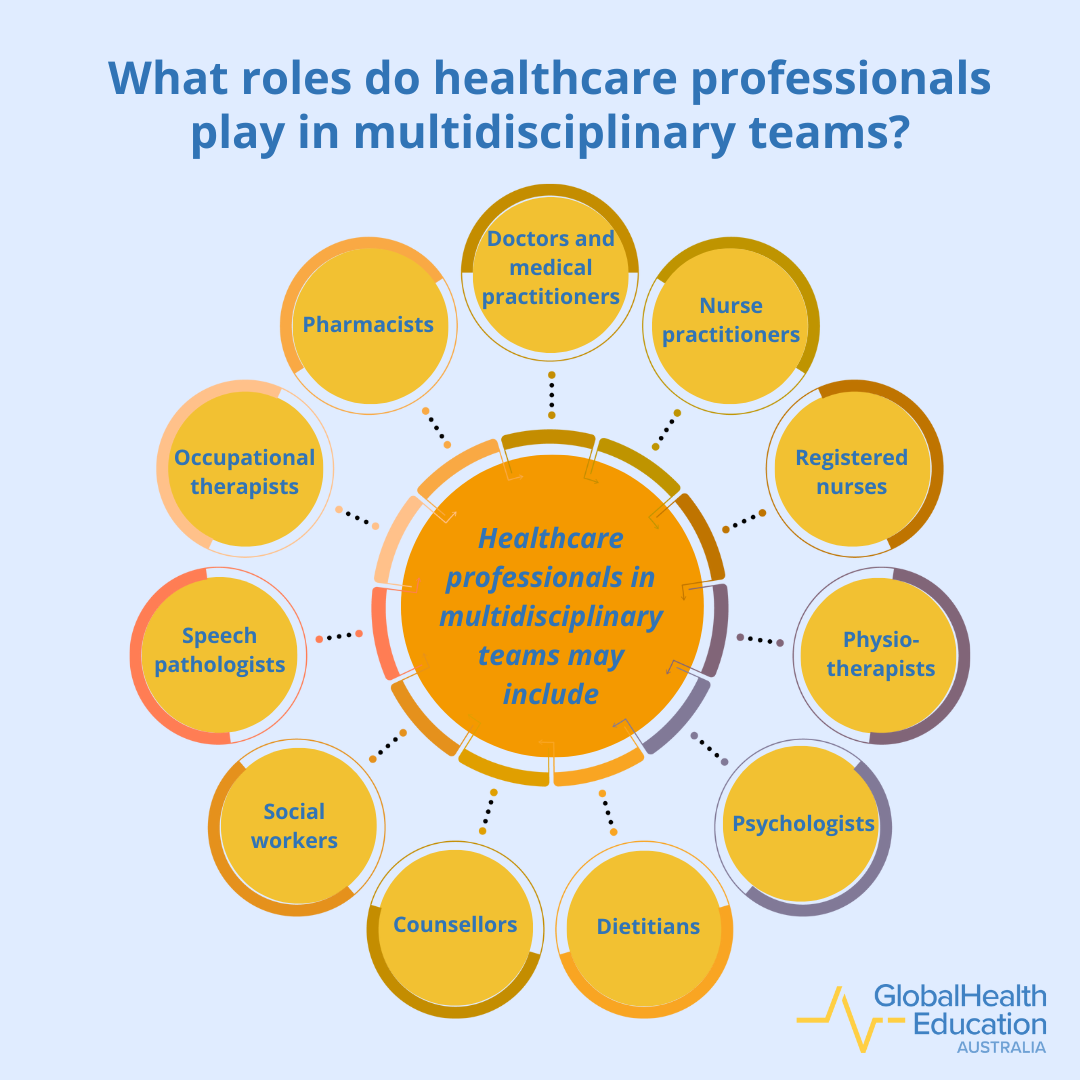
- Education: Helping families and schools understand the nature of the injury.
- Physiotherapy: Addressing physical imbalances and vestibular issues.
- Psychological Support: Managing the emotional and cognitive toll of a brain injury.
This tailored approach led to 94 per cent of children in the study experiencing improvements, significantly reducing the risk of symptoms becoming permanent fixtures in their lives.
Scaling Care: From Hospitals to the Community
One of the most significant trends on the horizon is the decentralization of specialist care. Professor Vicki Anderson of MCRI emphasizes that because children experience concussion in diverse ways, treatment must be tailored to the individual.
The next step is scaling these dedicated clinics beyond hospital settings. By leveraging telehealth and community-based clinics, experts aim to ensure that families outside of major metropolitan areas can access high-level, coordinated care much earlier in the recovery process.
To support this early detection, the Concussion Essentials (HeadCheck) app—developed by MCRI in collaboration with the Australian Football League—provides a free tool for parents, coaches, and players to recognize when medical attention is required.
Real-World Impact: A Case Study in Recovery
The difference between standard care and integrated care is best illustrated by the experience of 15-year-old Macy. After a surfing accident, Macy struggled with headaches, emotional volatility, and an inability to handle classroom noise, which often left her in tears at school.
While she initially saw a GP and a sports doctor, the turning point came when she entered a dedicated concussion clinic. The integrated team not only provided direct treatment but also liaised with her school to implement tailored adjustments. This coordinated effort allowed her teachers to understand her needs and eased her return to learning, transforming her from a frustrated, frightened teenager back into herself.
For more information on brain health, you can explore the Murdoch Children’s Research Institute’s latest findings.
Frequently Asked Questions
What is multidisciplinary concussion care?
It is an integrated approach that combines education, physiotherapy, and psychological support delivered by a coordinated team, rather than treating each symptom in isolation.

When should a child seek specialized concussion help?
If symptoms persist beyond the initial few weeks or if they significantly disrupt school, sport, and everyday life, early intervention is recommended to prevent symptoms from becoming entrenched.
How does the HeadCheck app help?
The app educates parents, coaches, and players on how to recognize concussion symptoms early and provides guidance on when to seek medical attention and how to manage recovery.
Can telehealth be used for concussion recovery?
Yes, researchers are currently looking at scaling the multidisciplinary model through telehealth to make effective treatment accessible to families in rural or remote areas.
Join the Conversation
Do you have experience with pediatric concussion recovery, or are you a healthcare provider implementing new protocols? Share your thoughts in the comments below or subscribe to our newsletter for the latest updates in pediatric health.