
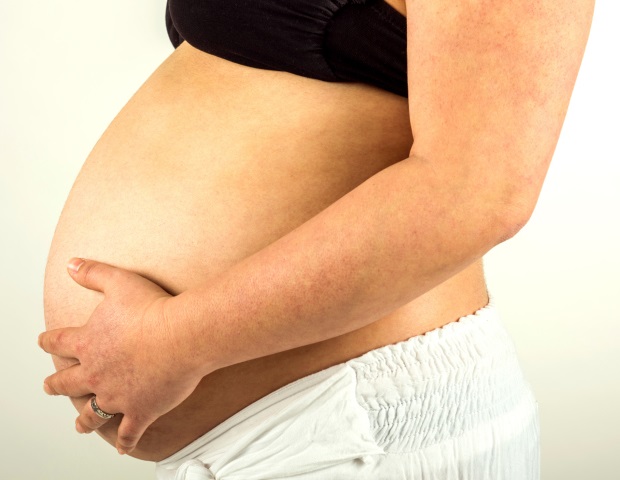
Early pregnancy interventions improve healthy gestational weight gain outcomes
Research published in April 2026 highlights the critical role of tailored prenatal interventions in addressing gestational weight gain challenges in low- and middle-income countries. A systematic review led by Priscilla Aba Aggrey, a public health expert, found that early, context-specific programs combining nutrition, education, and physical activity can mitigate risks linked to both underweight and overweight pregnancies.
Unhealthy weight gain during pregnancy is associated with severe outcomes, including preterm birth, low birth weight, and preeclampsia. Women in these regions often face food insecurity, limited healthcare access, and inadequate micronutrient support, exacerbating these risks. The study analysed interventions such as multiple micronutrient supplements, culturally adapted counseling, and combined diet-and-exercise programs, emphasizing their potential to improve maternal and child health.
Key findings show that women receiving multiple micronutrient supplements had better weight outcomes than those with iron-folic acid alone. Education and counseling, particularly when culturally tailored, also supported optimal weight gain. Combined diet-and-exercise strategies proved effective in curbing excessive weight gain, underscoring the need for personalized approaches.
The research underscores the importance of adapting global health strategies to local realities. While the study does not specify future policy actions, it suggests that scaling these interventions could significantly impact public health systems already strained by limited resources.
As healthcare providers and policymakers consider integrating these findings, the focus will likely remain on balancing evidence-based practices with the practical constraints of low-resource settings. The next steps may involve pilot programs testing the feasibility of these interventions in diverse cultural and economic contexts.
Frequently Asked Questions
What risks are associated with gestational weight gain? Both insufficient and excessive weight gain during pregnancy are linked to preterm birth, low birth weight, preeclampsia, and unplanned cesarean deliveries.
What interventions were found effective? Nutritional supplementation, culturally tailored education, and combined diet-and-exercise programs showed promise in managing gestational weight gain.
Who conducted the study? The research was led by Priscilla Aba Aggrey, a public health expert, and published in BMJ Global Health in April 2026.
How might these findings influence future prenatal care strategies in your community?