
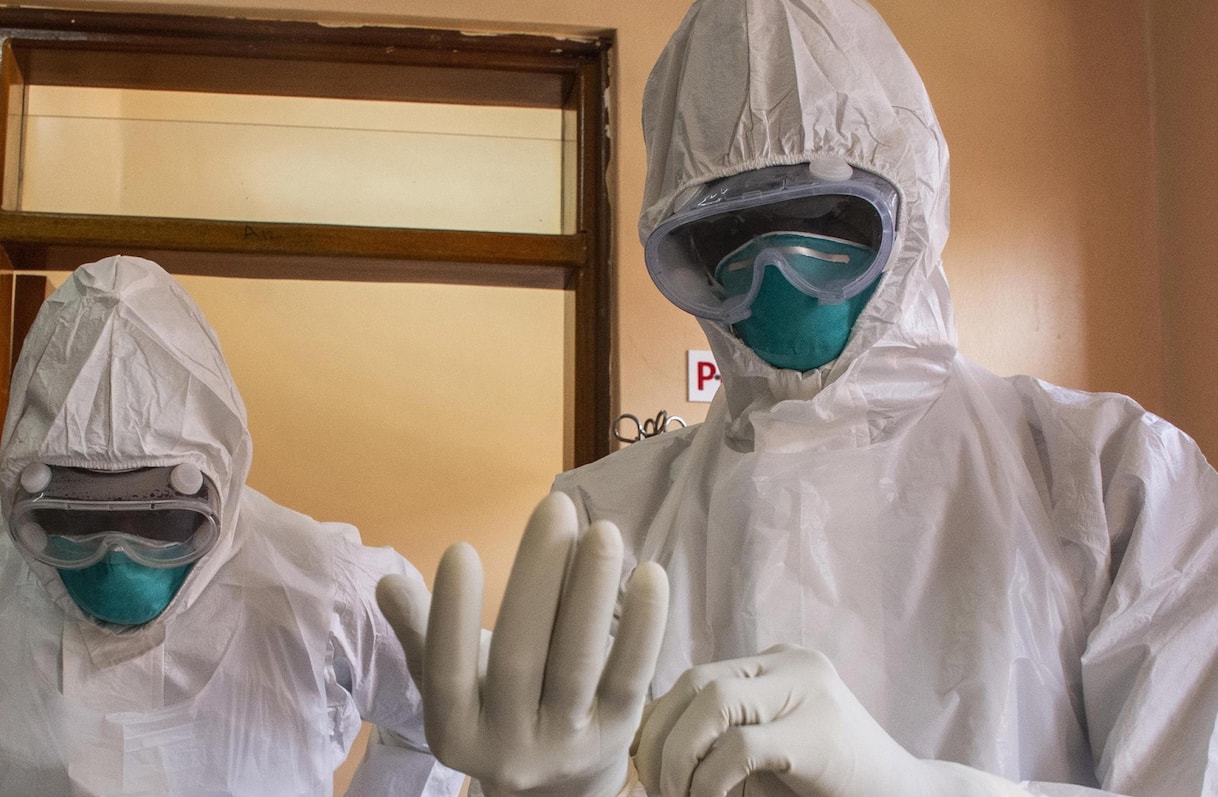
Ebola and Malaria Ruled Out for Travelers Returning to Italy From Uganda
Two Italian citizens, who recently returned from a three-month aid mission in Uganda, have been cleared of Ebola and malaria following specialized medical evaluation at the Sacco Hospital in Milan. The patients, part of a group of seven individuals from two families who had been working in a region bordering the Democratic Republic of the Congo and Rwanda, were hospitalized after developing symptoms including high fever, nausea, vomiting, diarrhea and mild neurological signs.
Clinical Findings and Public Health Status
According to Guido Bertolaso, the regional Welfare assessor for Lombardy, comprehensive virological testing at the Sacco Hospital laboratory returned negative results for Ebola, malaria, and major respiratory viruses. Instead, diagnostic testing has confirmed that both patients are positive for Shigella, a bacterial infection affecting the gastrointestinal tract.
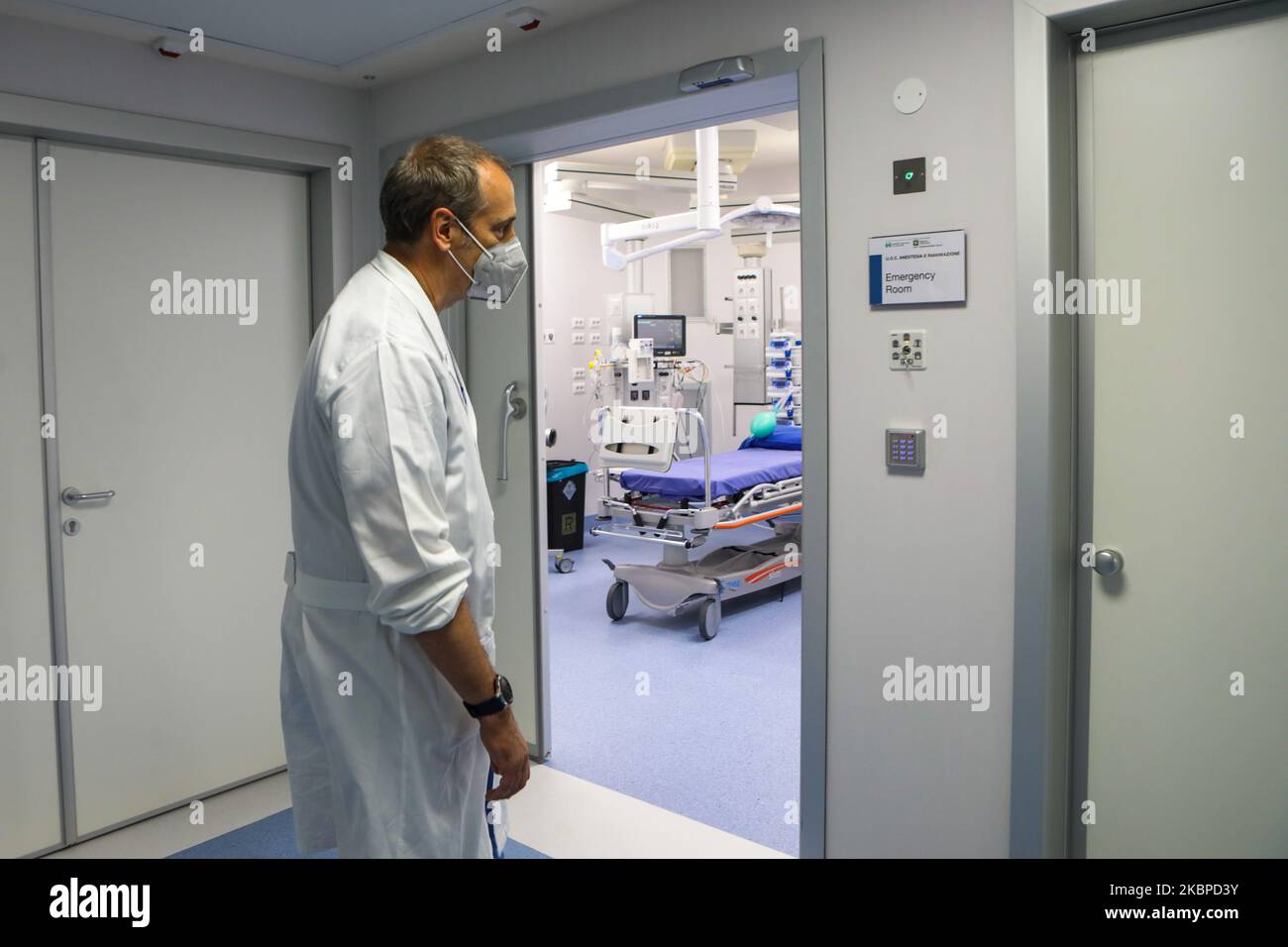
The Ministry of Health has emphasized that the risk to the general Italian public remains very low. While the two patients remain under observation by infectious disease specialists, the other members of the involved family groups are currently under medical surveillance and monitoring by local authorities.
Did You Know?
The Sacco Hospital in Milan is specifically equipped with advanced biocontainment facilities designed for the management of high-risk infectious diseases, allowing for the rigorous diagnostic protocols required to handle potential health threats safely.
Coordination and Response Protocol
The incident triggered a coordinated response involving the Ministry of Health’s Department of Prevention, the Lombardy Region, and several national health bodies, including the Higher Institute of Health and the Spallanzani Institute. This response was part of a broader national effort to monitor the ongoing Ebola situation in the Democratic Republic of the Congo, which has seen over 900 cases.
Regional authorities have criticized the handling of public communications regarding the precautionary measures. Bertolaso noted that while the state is prepared to handle such cases as part of standard preventive protocol, the premature diffusion of unverified information by local officials created an unnecessary media alarm and diverted operational resources.
Expert Insight:
The rigorous, multi-institutional response observed here highlights the difference between a “suspected case” and a “public health threat.” By utilizing high-containment infrastructure, health authorities effectively isolated the risk, proving that established protocols are designed to manage uncertainty without causing widespread panic. The transition from investigating a viral hemorrhagic fever to identifying a common bacterial pathogen underscores the importance of diagnostic precision in international travel health.
What Happens Next?
The two patients will continue to undergo microbiological and cultural follow-up to ensure their recovery from the bacterial infection. National health agencies are expected to maintain their ongoing monitoring of the regional epidemiological situation in collaboration with international partners, including the European Health Security Committee. Future actions will likely remain focused on standard surveillance for travelers returning from high-risk areas until the current epidemic in the Democratic Republic of the Congo subsides.
Frequently Asked Questions
What was the outcome of the medical tests for the two patients?
Both patients tested negative for Ebola, malaria, and major respiratory viruses. They were found to be positive for Shigella, a bacterial infection.
What is the current risk level for the Italian public?
The Ministry of Health has officially stated that the risk to the public in Italy remains very low.
Why were these individuals hospitalized in Milan?
They were transferred to the Sacco Hospital—a facility equipped with high-level biocontainment—as a precautionary measure after returning from Uganda with febrile symptoms following their work in an area near the border of the Democratic Republic of the Congo.
How do you think public communication should be managed during high-stakes health monitoring to balance transparency with the prevention of unnecessary alarm?