

Ebola Virus Disease
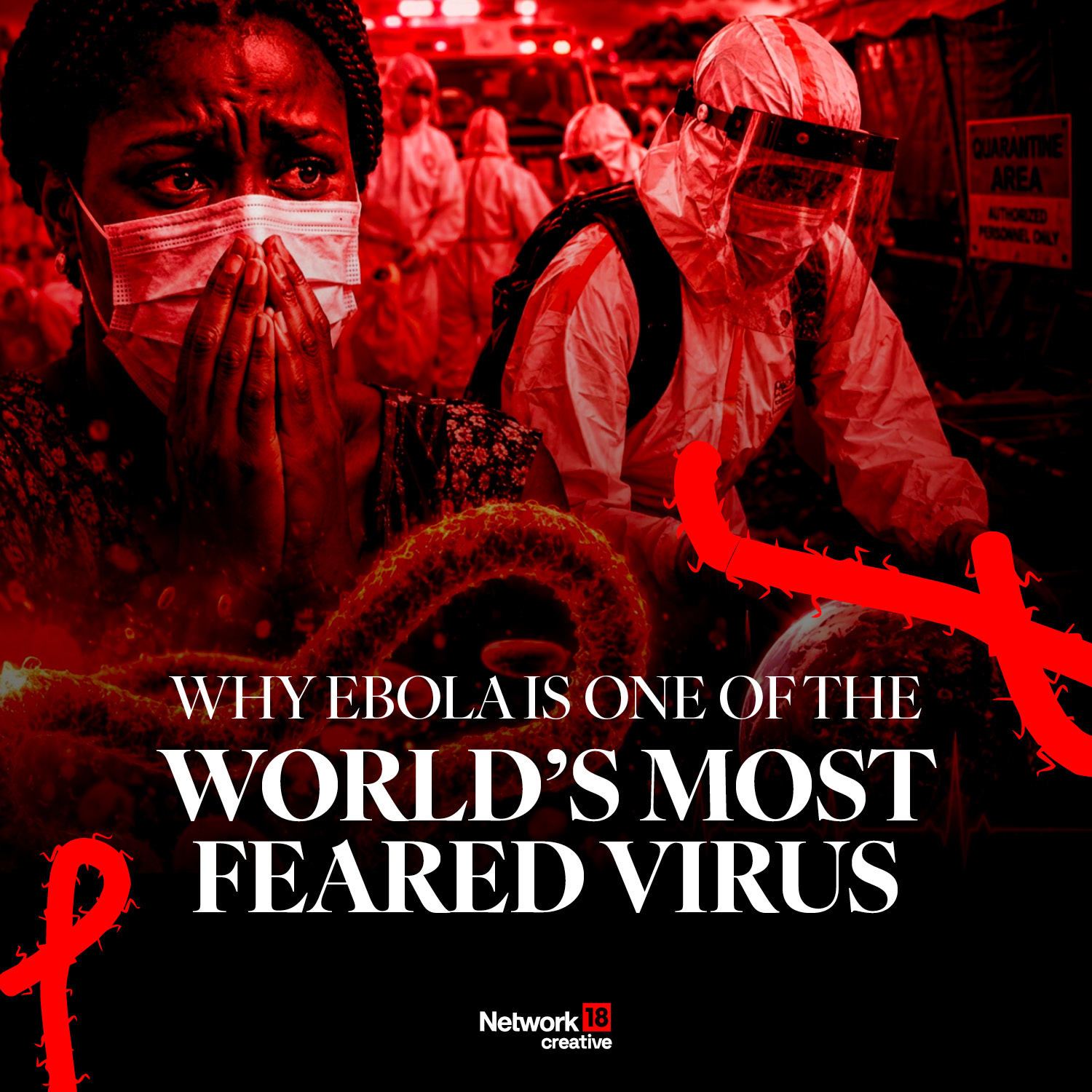
Ebola Virus Disease is a severe viral illness that demands global medical attention and a clear clinical understanding. By replacing fear with factual knowledge, public health efforts can more effectively protect communities and save lives.
The Biological Mechanics of the Virus
The pathogen responsible for this disease belongs to the Filoviridae family and is characterized by its ability to cause severe bleeding by preventing the body from clotting blood.
Under an electron microscope, the virus reveals a unique, filamentous shape resembling a long thread, which facilitates its ability to infect host cells.
At its core, the virus contains a single-stranded RNA genome that provides the instructions necessary for it to replicate and quickly take over host cells.
Cellular Entry and Immune Evasion
The virus gains access to host cells by mimicking natural processes used for communication or nutrient uptake, a method known as macropinocytosis.
Once the cell membrane engulfs the virus, it releases its genetic material into the cytoplasm to begin the replication cycle.
To ensure its survival, the virus produces specific proteins that disrupt signaling pathways, effectively blocking the immune system from alerting the body to the infection.
Transmission and Exposure Risks
The transition of the virus from animals to humans is known as a zoonotic spillover, with fruit bats identified as the primary carriers.
Human infection often occurs through contact with the blood or secretions of infected animals, particularly during the preparation of bushmeat or hunting.
Once established in humans, the virus spreads via direct contact with infected bodily fluids, including blood, saliva, sweat, and vomit.
Environmental Persistence
The virus can survive on surfaces, and objects that carry the pathogen are referred to as fomites.
Contaminated needles, medical supplies, and household items can spread the disease if strict disinfection methods are not employed.
the virus does not spread through the air in the same manner as the common cold or flu.
Clinical Progression and Diagnosis
The progression of Ebola Virus Disease often begins with non-specific symptoms that can be easily mistaken for other common illnesses.
As the disease advances, it moves through distinct stages, eventually leading to hemorrhagic manifestations and potential organ failure.
| Stage | Timeframe | Primary Symptoms |
|---|---|---|
| Initial | Days 1-3 | Fever, fatigue, muscle aches |
| Gastrointestinal | Days 4-6 | Vomiting, diarrhea, abdominal pain |
| Hemorrhagic | Days 7-10 | Bleeding, bruising, organ distress |
In the final stages, patients may face multi-organ failure affecting the liver, kidneys, and blood system, necessitating intensive care.
Diagnostic Tools
Medical professionals rely on the Reverse Transcription Polymerase Chain Reaction (RT-PCR) test, which is the primary method for detecting viral genetic material in blood or tissue.
The Antigen-Capture Enzyme-Linked Immunosorbent Assay (ELISA) is also used to identify viral proteins in the blood, providing a useful alternative when molecular equipment is unavailable.
Treatment and Prevention Strategies
While there is no universal cure, treatment focuses on aggressive supportive care to stabilize the patient and help the body fight the infection.
Intravenous fluids and electrolyte management are critical to combat dehydration caused by vomiting, and diarrhea.
Advanced interventions now include monoclonal antibody therapies, such as Inmazeb and Ebanga, which attach to the virus to prevent it from entering human cells.
Vaccination and Containment
The rVSV-ZEBOV vaccine, known as Ervebo, has proven highly effective against the Zaire ebolavirus strain.
Public health teams often employ a “ring vaccination” strategy, vaccinating those in close contact with confirmed cases to create a buffer of protection.
Containment further relies on contact tracing, where individuals are monitored for 21 days following exposure to catch new cases early.
Global Challenges and Socioeconomic Impact
Outbreaks cause significant disruption to healthcare systems, often leading to a decline in maternal care and childhood vaccinations as resources are diverted.

Economically, affected regions suffer from trade stoppages and labour shortages in farming and small businesses, which can increase poverty and food insecurity.
The response is further complicated in conflict zones or remote areas where poor infrastructure and unstable power supplies hinder the delivery of cold-chain vaccines and diagnostics.
The Aftermath: Post-Ebola Syndrome
Survivors of the disease may experience Post-Ebola Syndrome, a condition characterized by ongoing health struggles.
These complications can include extreme fatigue, joint pain, hearing loss, and vision issues such as uveitis.
Frequently Asked Questions
How is Ebola transmitted between humans?
The virus spreads through direct contact with infected bodily fluids, such as blood, saliva, sweat, and vomit, or through contact with contaminated objects known as fomites.
What is the incubation period for the virus?
The time between infection and the appearance of symptoms typically ranges from 2 to 21 days.
Are there vaccines available for Ebola?
Yes, the rVSV-ZEBOV vaccine (Ervebo) is used to prevent the Zaire ebolavirus strain, often deployed via a ring vaccination strategy.
How can global health systems better balance strict containment protocols with the need for cultural sensitivity during active outbreaks?