
Economic Fury Targets Iranian LPG Smuggling and Shadow Banking Networks
The U.S. Treasury is aggressively dismantling Iran’s “shadow fleet” and illicit financial networks to sever the revenue streams funding regional proxies and weapons development. By designating LPG exporters and exchange houses like Mehrdad Geramian Nik and Partners, the U.S. is targeting the covert infrastructure that disguises Iranian energy as Omani and moves millions of dollars through UAE and Chinese front companies.
How does Iran’s “shadow fleet” bypass global energy sanctions?
Iran evades sanctions by using a “shadow fleet”—a collection of aging vessels and shell companies that hide the origin of cargo. According to the U.S. Department of the Treasury, a network led by Sarbaz Abdul Zada and Mohammad Shakol Mihandoust intentionally disguised Iranian-origin liquid petroleum gas (LPG) as Omani LPG to sell it to end users in South and East Asia.
This deception relies on front companies in the UAE, such as Butani Trading LLC and ADH Energy FZE. These entities act as a buffer, scrubbing the Iranian connection before the product reaches markets like Bangladesh. For example, the vessel LPG SEVAN transported 750,000 barrels of LPG to Bangladesh between August and November 2025, hiding its true Iranian source.
Other vessels identified by OFAC include the GLENDALE and the MILE, the latter of which shipped over half a million barrels of Iranian LPG to Bangladesh in early 2025. By targeting the vessels and the owners—like Marshall Islands-based Black Gold Trade Corporation—the U.S. aims to make the risk of shipping Iranian oil too high for commercial operators.
Why is the U.S. targeting Iranian exchange houses like Geramian?
Iran’s financial system doesn’t rely on traditional banking for sanctioned trade. Instead, it uses a complex network of brokers and “rahbar” companies. According to Treasury records, the Mehrdad Geramian Nik and Partners Company (Geramian Exchange) moved hundreds of millions of dollars for sanctioned banks, including Bank Tejarat, Bank Mellat, and Bank Pasargad.

These exchange houses operate overseas shell companies to move funds into accounts held outside Iran. This allows the regime to repatriate oil and petrochemical profits without triggering alarms in the global SWIFT system. The Treasury notes that these brokers are the “economic lifeline” that allows the Iranian regime to bypass traditional financial barriers.
The role of “Citizenship-by-Investment”
A recurring trend in these sanctions evasion schemes is the use of fake identities or secondary citizenships. Mehrdad Geramian Nik, for instance, holds citizenship in Dominica. The Treasury highlights that such citizenship-by-investment programs allow shadow banking actors to travel freely, open international bank accounts, and establish new front companies under the radar of regulators.
What happens next for global trade under “Economic Fury”?
Secretary of the Treasury Scott Bessent has signaled a shift toward a more aggressive strategy termed “Economic Fury.” This isn’t just about listing names on a spreadsheet; it’s about systemic disruption. Treasury is now targeting the “commercial infrastructure” that enables obfuscation, which means foreign companies—including airlines and non-U.S. banks—face higher risks of secondary sanctions.
We are seeing a trend toward the “financialization” of sanctions. The U.S. is no longer just blocking oil tankers; it is freezing cryptocurrency and targeting the digital assets the regime uses to move money. The Treasury recently froze nearly half a billion dollars in regime-linked crypto, signaling that the blockchain is the next major battlefield in the economic war with Tehran.
For more on how these policies affect global markets, see our analysis on the evolution of secondary sanctions and the impact of U.S. Treasury policy on Asian energy imports.
Will these sanctions actually stop the flow of Iranian LPG?
The effectiveness of these measures depends on whether the U.S. can close the “broker loop.” The Treasury has already targeted several other exchange houses, including Radin, Arz Iran, Opal, and Amin Exchange. By hitting these brokers in rapid succession, the U.S. is attempting to create a “trust deficit” where Iranian banks can no longer find reliable partners to move their money.
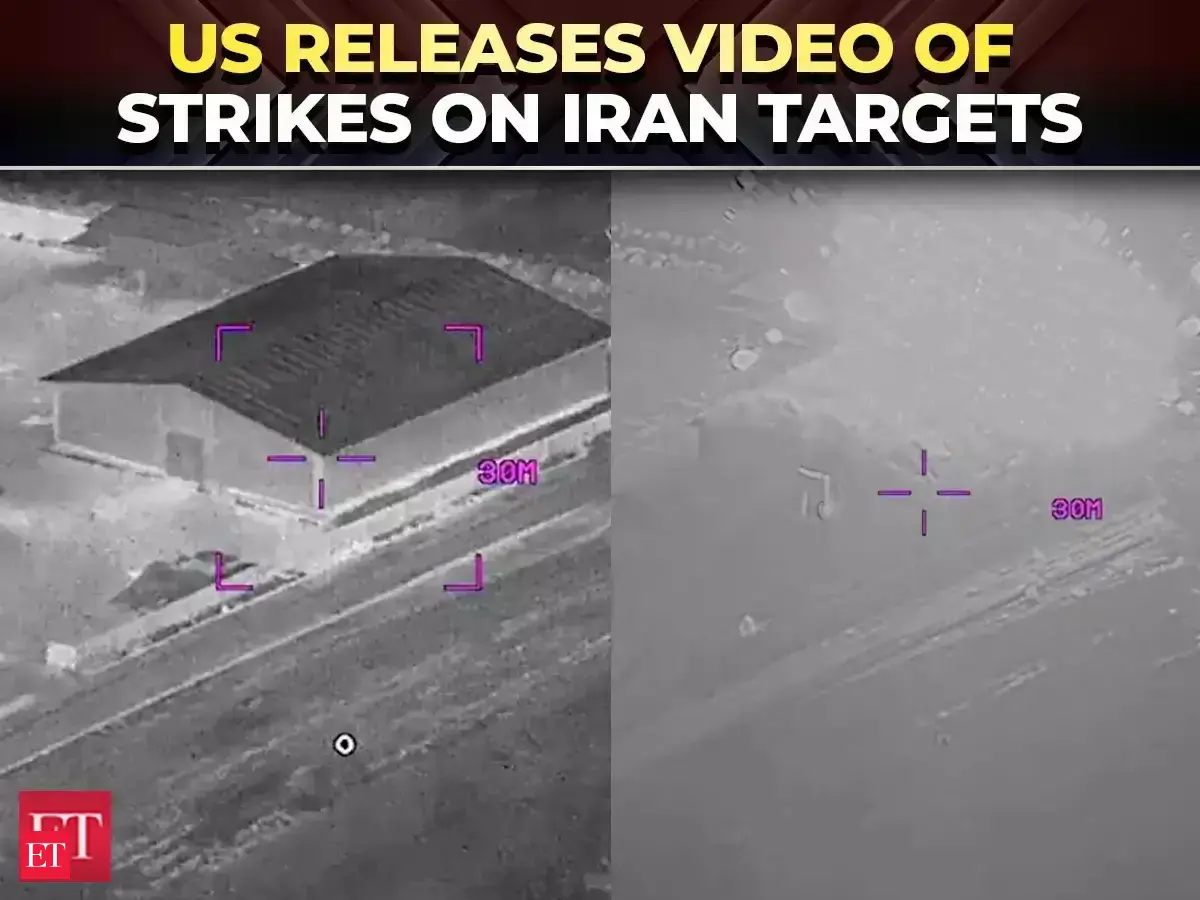
However, the contrast between the U.S. approach and the reality on the ground is stark. While the U.S. designates vessels like the AMIR GAS or GAZ GMS, Iran continues to register ships under flags of convenience (like Palau or St. Kitts and Nevis) to evade detection. The battle has become a game of “whack-a-mole,” where one front company is closed and two more open in its place.
Comparison: Sanctions Evasion Tactics
| Tactic | Method | U.S. Response |
|---|---|---|
| Cargo Masking | Labeling Iranian LPG as Omani | Vessel designations (SDN List) |
| Financial Layering | Using “Rahbar” exchange houses | Targeting broker networks & crypto |
| Identity Obfuscation | Citizenship-by-investment | Enhanced KYC/AML scrutiny |
Frequently Asked Questions
What is the “SDN List”?
The Specially Designated Nationals and Blocked Persons List is a directory maintained by OFAC. Anyone on this list has their assets in the U.S. frozen, and U.S. persons are generally prohibited from dealing with them.
What are secondary sanctions?
Secondary sanctions target non-U.S. persons or companies. If a foreign bank helps a sanctioned Iranian entity, the U.S. can cut that foreign bank off from the U.S. financial system, even if the transaction didn’t happen in America.
How does “disguised LPG” work?
Shippers falsify documentation to claim the gas originated in a non-sanctioned country (like Oman). They often use ship-to-ship transfers in open water to mix cargoes and hide the paper trail.
Want to stay ahead of global sanctions and trade trends?
Join our newsletter for deep-dive reports on economic warfare and geopolitical risk. Subscribe Here or leave a comment below to tell us: Do you think “Economic Fury” will be enough to stop the shadow fleet?