

Effect of immersive virtual reality on fear, anxiety, and pain in pregnant women during vaginal examination in clinical training: a randomized controlled trial
A randomized controlled trial in Mashhad, Iran, found that immersive virtual reality (VR) significantly reduces state anxiety in pregnant women during vaginal examinations. The study, which tracked 70 participants, demonstrated that using a head-mounted display to provide a relaxing simulated environment lowered psychological distress compared to standard care.
How does VR reduce anxiety during pregnancy exams?
Vaginal examinations are essential for monitoring labor progress and cervical status. However, these procedures often trigger pain, fear, and anxiety for the patient.

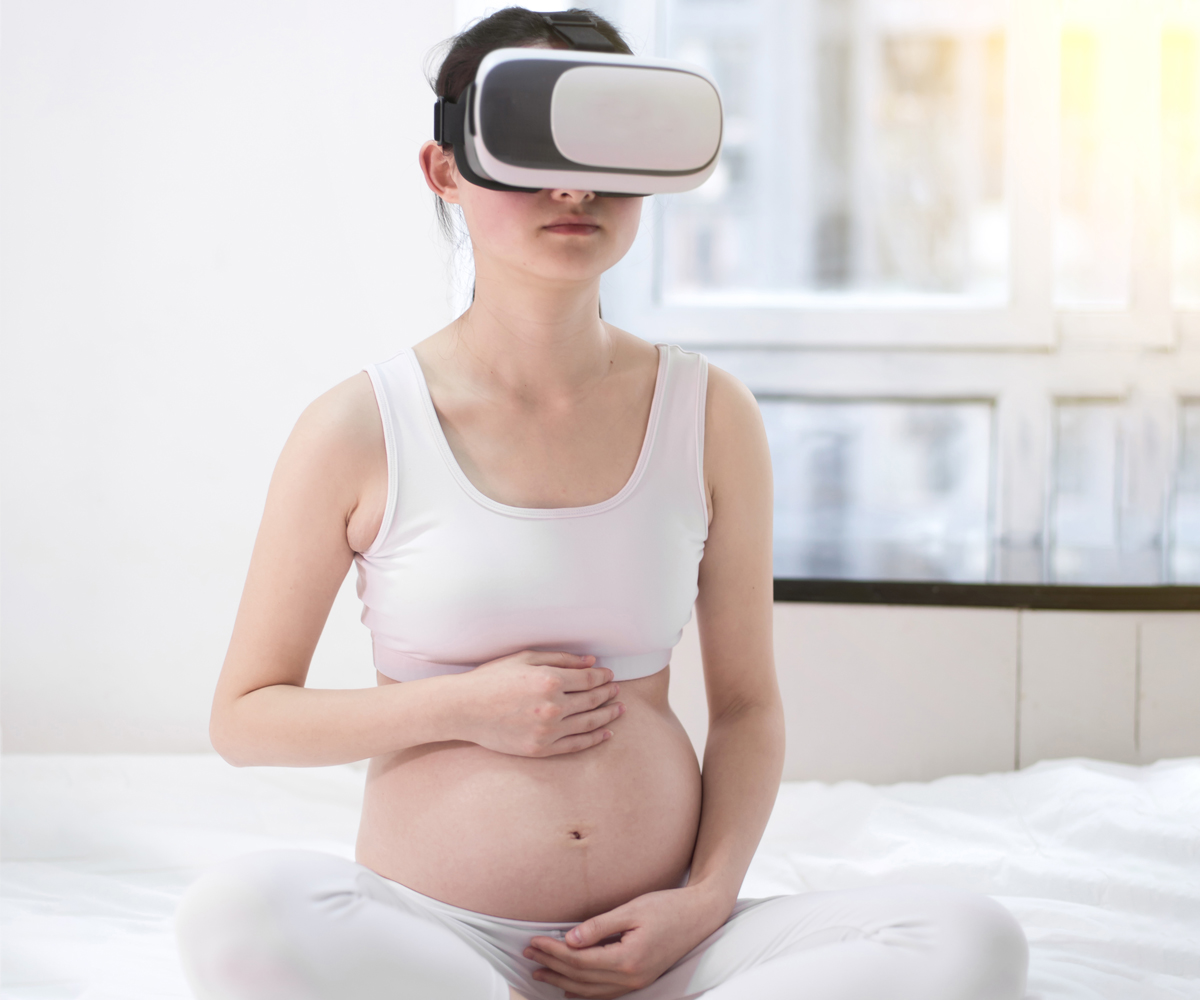
Researchers tested a non-pharmacological approach using immersive VR to divert a patient’s attention. By interacting with a simulated environment, women could mentally distance themselves from the clinical setting during the examination.
In this trial (IRCT20220704055367N7), 35 women used VR head-mounted displays while 35 others received standard care. All examinations were conducted by medical trainees at a teaching hospital.
Why is this intervention significant for maternal care?
The results showed a clear difference in psychological outcomes. The VR group reported a state anxiety level of 34.31 ± 9.07, while the control group reported a significantly higher 45.66 ± 13.03.
To reach these conclusions, researchers used the State-Trait Anxiety Inventory (STAI) before and after the procedure. They also measured pain using the Visual Analog Scale (VAS) and the McGill Pain Questionnaire (MPQ).
Reducing this distress is critical because the fear of pelvic examinations can impact the overall patient experience. VR provides a safe way to alleviate discomfort without relying on medication.
What could this mean for future clinical training?
This evidence suggests that VR could become a standard tool in teaching hospitals. It may be integrated into routine intrapartum care to help women manage the stress of frequent examinations.
Future applications might include different types of simulated environments to see which are most effective. Other non-pharmacological interventions could also be compared against VR to determine the best path for patient comfort.
Frequently Asked Questions
What was the primary goal of the study?
The study aimed to investigate how immersive VR affects fear, anxiety, and pain among pregnant women undergoing vaginal examinations during clinical training.
Who participated in the trial?
The trial included 70 pregnant women in the latent or active phase of labor at a teaching hospital in Mashhad, Iran.
How was anxiety measured in the participants?
Anxiety was assessed using the State-Trait Anxiety Inventory (STAI) both before and immediately after the vaginal examination.
Do you think virtual reality should be a standard part of maternity ward care?