

Egypt aims to double exports to $100 bn by 2030, announces digital industrial platform: Hashem
Egypt aims to increase its annual exports from $48 billion to $100 billion by 2030, according to Minister of Industry Khaled Hashem. The strategy focuses on integrating local manufacturers into global supply chains via a new digital B2B platform and prioritizing technological transfer over simple capital injections to reduce the national trade deficit.
How will Egypt reach the $100 billion export goal?
Minister Khaled Hashem outlined the plan during a monthly gathering of the American Chamber of Commerce in Egypt. The government is shifting its industrial focus from import substitution to active integration with the global economy and international production networks.
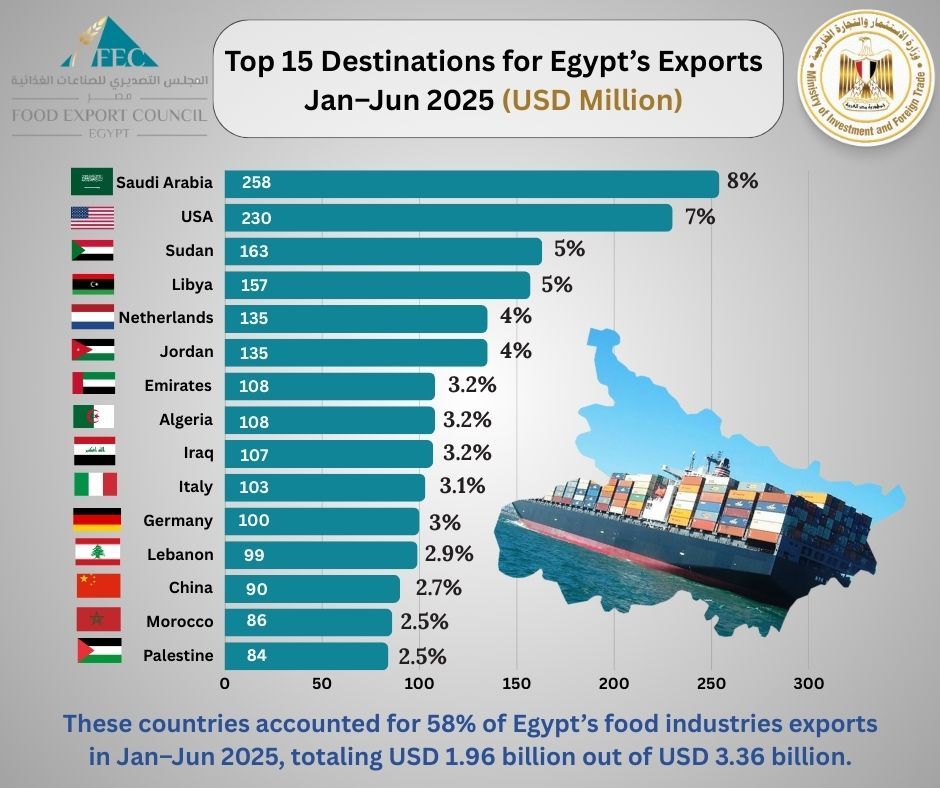
This updated approach prioritizes attracting foreign investments that bring industrial expertise and technology. Hashem stated this shift is intended to reinforce Egypt’s position as a regional industrial hub.
How does the new industrial digital platform work?
To improve supply chain efficiency, the ministry will launch an integrated electronic platform for industrial trade and evaluation. Hashem compared the tool to digital service apps like Talabat, allowing users to search for specific products and suppliers within the Egyptian market.
The platform will utilize transparent peer reviews based on actual business transactions. These reviews will evaluate factories on service levels, adherence to delivery schedules, and product quality.
Hashem noted that this data-driven approach is a qualitative shift designed to close the gaps between production and distribution.
What is the plan for small and medium enterprises?
The state is implementing a program to develop the small and medium-sized enterprise (SME) sector. Hashem argued that industrial growth must begin at the base, meaning the government aims to rebuild the industrial foundation from the “bottom up.”
This initiative focuses on youth empowerment by creating equipped production units within productive communities and industrial zones. The goal is to help a new generation of investors scale small projects into medium and large entities over a few years.
What happens next for Egyptian industry?
Egypt may see an increase in foreign direct investment as it leverages its infrastructure and trade agreements to facilitate market access. The government’s focus on “enabling” and “complementary” industries could further support the seven primary sectors.

If the B2B platform successfully integrates local factories, it is likely that Egyptian manufacturers will find more frequent opportunities to enter international production networks. A possible next step could involve expanding these digital evaluation tools to other strategic sectors.
Frequently Asked Questions
What is the target for Egypt’s annual exports by 2030?
The target is to increase annual exports from $48 billion to $100 billion.
What is the purpose of the new B2B electronic platform?
The platform is designed to connect local manufacturers to global supply chains, allowing users to search for suppliers and view peer reviews regarding quality and delivery.
Which industries have been prioritized by the ministry?
The priority industries are electronics assembly, automotive, pharmaceuticals, food, textiles, ready-made garments, and electrical and engineering equipment.
Do you think digital B2B platforms are the most effective way to integrate local factories into global markets?