
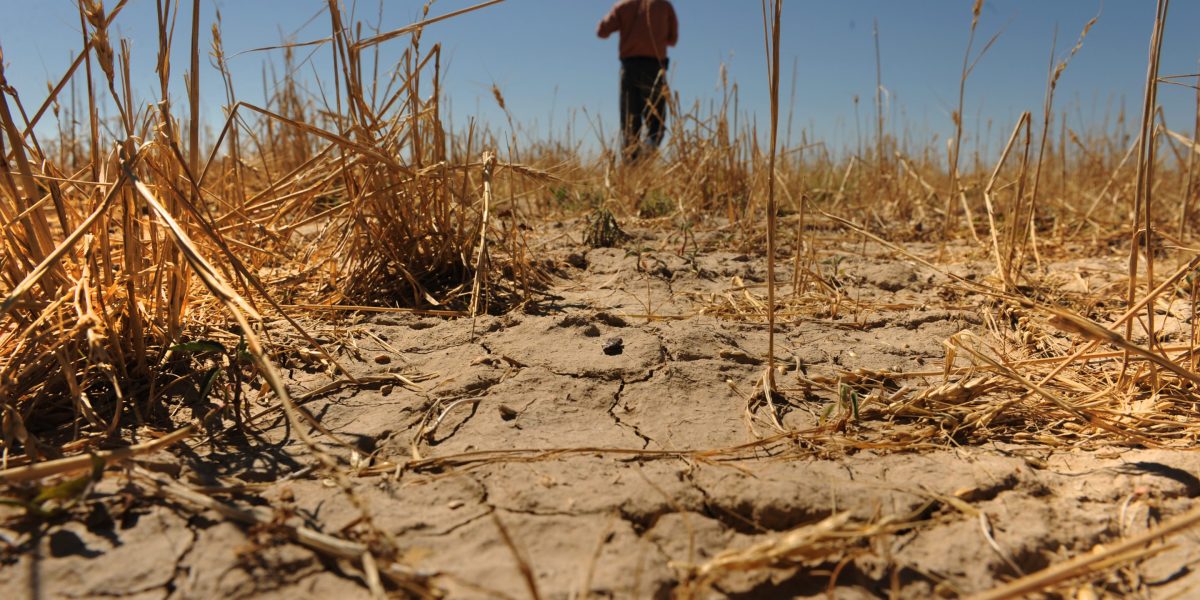
El Niño Event Looms, Threatening Global Economy and Supply Chains
El Niño, a natural climate pattern linked to warming Pacific Ocean temperatures, has officially formed and could trigger significant economic disruptions, according to the National Oceanic and Atmospheric Administration (NOAA). While global markets briefly stabilized after a U.S.-Iran deal to reopen the Strait of Hormuz, the emerging weather phenomenon has raised concerns about supply chain pressures, agricultural losses, and inflation risks. NOAA forecasts a 63% chance of sea surface temperatures exceeding 2.0°C above average, signaling a “very strong” El Niño event. Past episodes, such as the 1982 and 1997 events, caused global income losses of $4.1 trillion and $5.7 trillion, respectively, due to extreme weather impacts on agriculture and trade.
Why the El Niño Matters to Global Markets
The formation of El Niño threatens to compound existing economic challenges, including inflation driven by energy prices and supply chain bottlenecks. Historically, the phenomenon has disrupted shipping routes, such as the Panama Canal, where low water levels forced reduced transit volumes in 2023. A 2023 study in *Science* found that cumulative El Niño impacts over the 21st century could reach $84 trillion in global economic losses. Fitch, a ratings agency, warned that poorer nations reliant on agriculture will face the most severe consequences, with food price increases likely to affect even wealthier economies.
What May Happen Next
Analysts expect El Niño to intensify through 2026, with weather patterns potentially exacerbating agricultural shortfalls and trade constraints. The European Commission projected price increases for staple crops like wheat, corn, and rice, while the lingering effects of the Iran conflict continue to influence fertilizer costs. The Panama Canal Authority anticipates operational changes by 2027 as water levels decline, further complicating global logistics. While exact economic forecasts remain pending, early models suggest a challenging year ahead for industries vulnerable to weather-related disruptions.
Did You Know? The 1982 and 1997 El Niño events, two of the strongest on record, caused global income losses of $4.1 trillion and $5.7 trillion, respectively, due to extreme weather impacts on agriculture and trade.
Expert Insight: Robert Muggah, a political scientist, warned that treating El Niño as a “weather story” risks underestimating its economic consequences. He emphasized the need for governments and businesses to prepare for systemic shocks, as past events have demonstrated the cascading effects of disrupted supply chains and agricultural production.
Frequently Asked Questions
What economic impacts are linked to El Niño? Historical data shows El Niño events have caused trillions in global income losses due to extreme weather, including agricultural shortfalls and trade disruptions.
/high-angle-view-of-panama-canal-533788201-5a6f3c30ba617700375b832c.jpg "Frequently Asked Questions")
How could El Niño affect global trade? Low water levels in critical transit points, such as the Panama Canal, have historically reduced shipping capacity, compounding costs for businesses reliant on global logistics.
Which regions are most vulnerable? Poorer nations dependent on agriculture face the greatest risks, though inflation and food price increases are expected to affect all economies.
How might businesses adapt to the dual challenges of geopolitical tensions and climate patterns in 2026?