

Elden Ring Nintendo Switch 2 release date finally announced
The Shift Toward “Portable Power”: What Elden Ring Means for the Future of Handheld Gaming
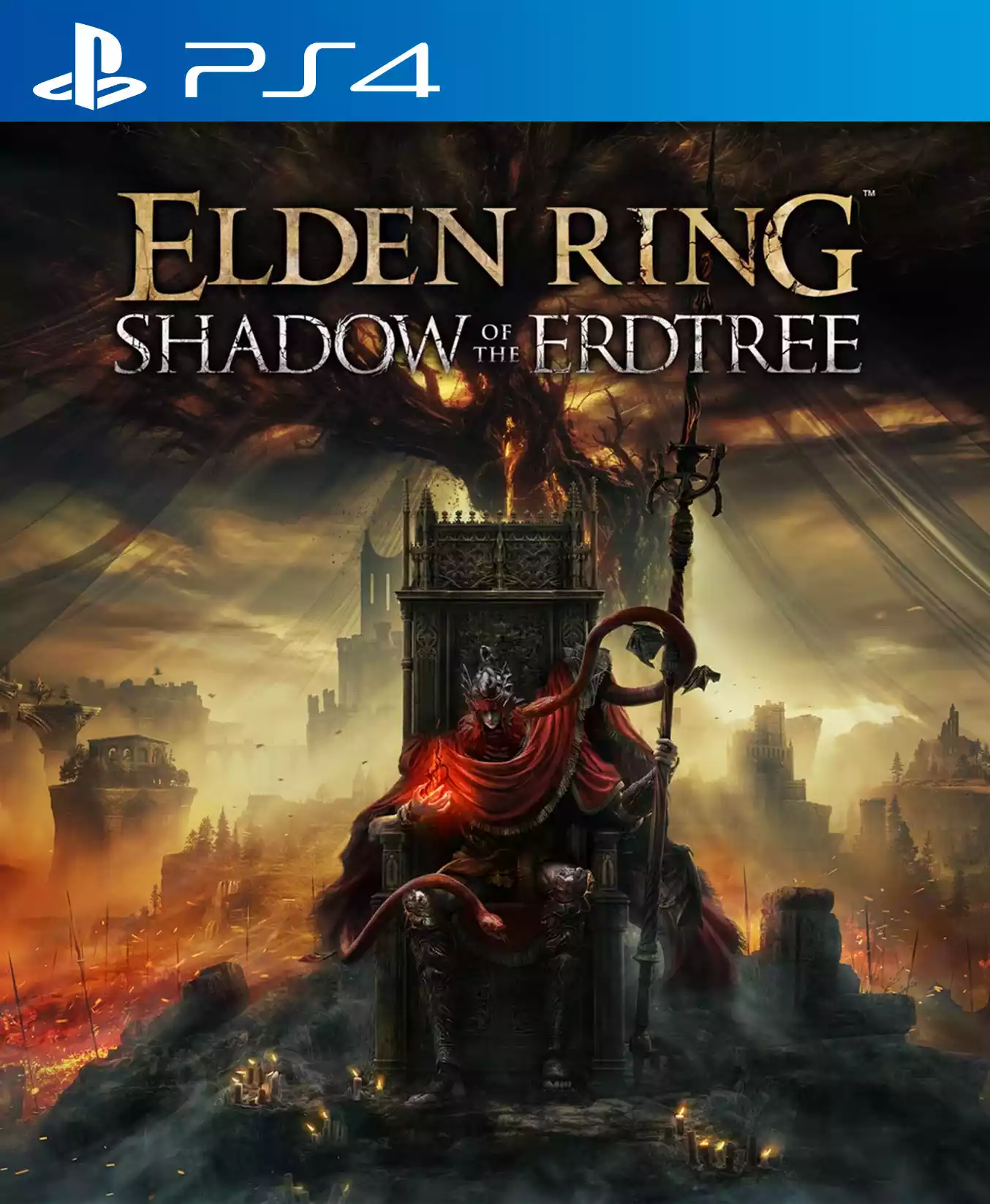
The announcement that Elden Ring: Tarnished Edition is officially heading to the Nintendo Switch 2 marks a pivotal moment in gaming history. For years, the “handheld gap”—the performance divide between consoles like the PlayStation 5 and portable devices—has been a massive hurdle for developers. Now, that gap is closing.
FromSoftware’s decision to delay the title to ensure “performance adjustments” speaks volumes. It shows that top-tier developers are no longer treating handheld ports as secondary, low-fidelity experiences. Instead, they are prioritizing optimization to ensure that massive open-world titles run with the same integrity on the go as they do on a home theatre setup.
Did you know? With the inclusion of the Shadow of the Erdtree expansion, the Switch 2 version of Elden Ring will be one of the largest single-cartridge releases in Nintendo’s history, signaling a move toward higher-capacity storage media.
Why Optimization Is the New Industry Gold Standard
In the past, “downgraded” ports were accepted as a necessary evil. However, modern players have higher expectations. Data from recent industry reports suggests that player retention drops significantly when frame rates dip below 30 FPS on handheld devices. By taking the extra time to refine the FromSoftware engine for mobile hardware, the studio is setting a new precedent.
We saw similar success with The Witcher 3: Wild Hunt on the original Switch. While it required a massive technical overhaul, it proved that players are willing to wait for a “complete” experience rather than a rushed, buggy mess. This trend of “quality over release windows” is becoming the hallmark of successful triple-A mobile strategy.
The Rise of “Hybrid-First” Development
As hardware like the Steam Deck and the rumored Switch 2 gains market share, we are seeing a shift toward “hybrid-first” development. Developers are now building games with scalable assets from day one. In other words future titles may look sharper on consoles but remain fully functional on portable systems without requiring the heavy post-launch patching that plagued early handheld ports.
Pro Tip: When playing demanding titles on handhelds, check your system’s “Performance Mode” settings. Often, toggling off high-end post-processing effects like depth-of-field can stabilize your frame rate without ruining the visual fidelity.
What This Means for Future Game Libraries
If Elden Ring can run on a handheld, it effectively opens the floodgates for other complex RPGs. We are likely to see a surge in “complete editions” hitting portable markets, bundling base games with massive expansions. This provides immense value to the consumer and extends the lifespan of older titles by introducing them to an entirely new audience of mobile gamers.
Frequently Asked Questions
Q: Will the Switch 2 version of Elden Ring include all DLC?
A: Yes, the Tarnished Edition includes both the base game and the Shadow of the Erdtree expansion.

Q: Does the handheld version differ from the console version?
A: While the core gameplay is identical, the Switch 2 version includes exclusive customization options for Torrent, the player’s mount, and localized performance optimizations.
Q: Is performance still a concern for open-world games on handhelds?
A: This proves always a challenge, but modern upscaling technologies and better mobile chips are making it easier for developers to maintain stable frame rates.
Join the Conversation
Are you planning to tackle the Lands Between on the go, or do you prefer the big-screen experience for FromSoftware titles? Let us know in the comments below! If you found this analysis helpful, subscribe to our newsletter for the latest updates on console hardware and industry trends.