

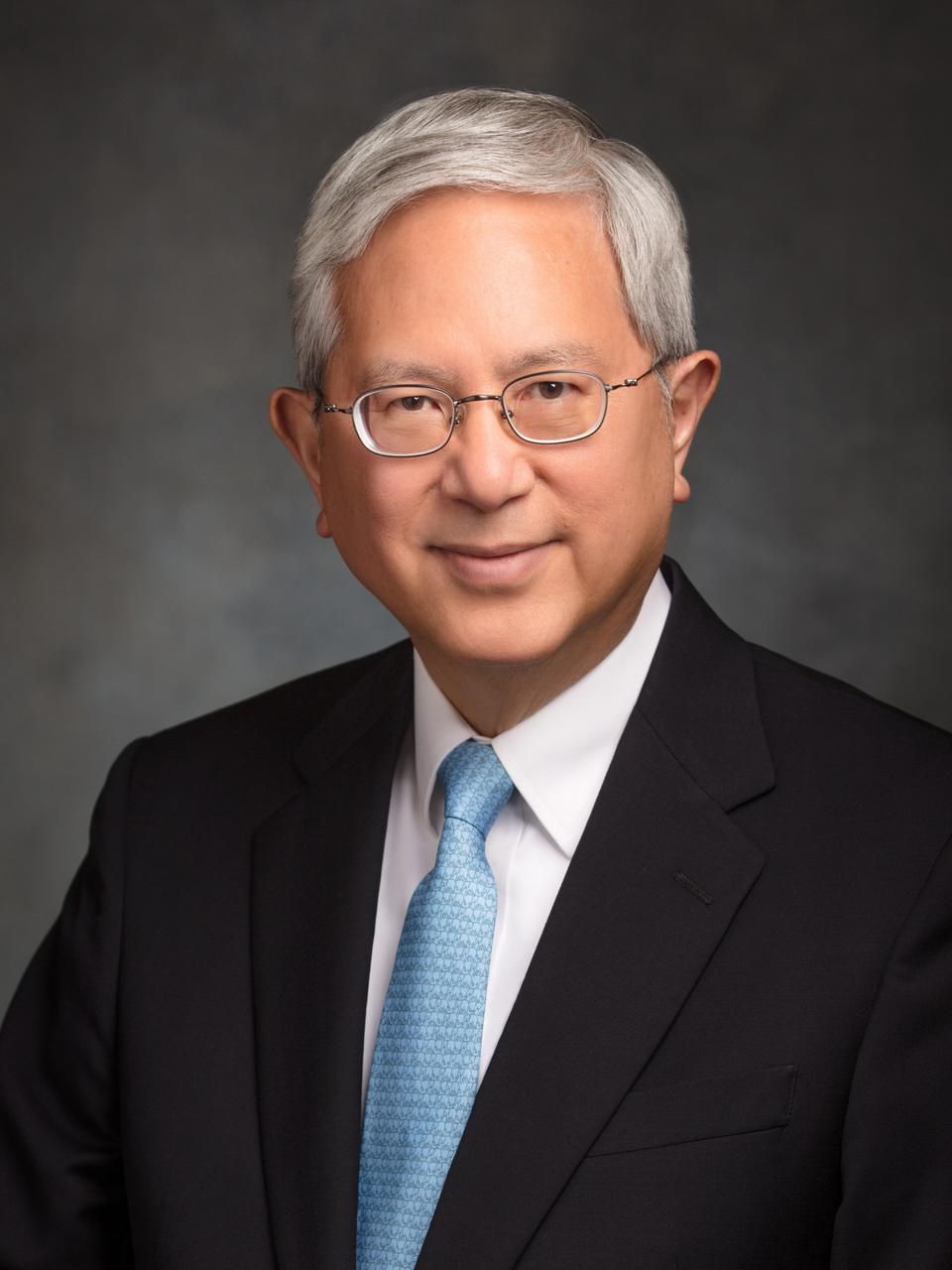
Elder Gerrit W. Gong Concludes Visit to Mozambique, Angola, and Madagascar
Global Humanitarian Impact: How Faith-Based Initiatives Are Reshaping Healthcare
In an era where global health challenges often feel insurmountable, faith-based organizations are proving to be essential catalysts for sustainable change. Recent efforts by The Church of Jesus Christ of Latter-day Saints across Southern Africa highlight a growing trend: the shift from emergency disaster relief to long-term infrastructure investment in public health.
By partnering with local ministries and international bodies like UNICEF, religious organizations are not just donating supplies; they are embedding themselves into the fabric of community development. This model of “invested humanitarianism” is setting a new standard for how non-profits operate in developing regions.
The Shift Toward Sustainable Medical Infrastructure
For decades, international aid was often criticized for being reactive—dropping off supplies and leaving. Today, the focus has moved toward strengthening existing systems. A prime example is the recent support provided to Hospital Central da Beira in Mozambique. By upgrading physiotherapy units and renovating maternal care wards, these initiatives ensure that local doctors have the tools to serve thousands of patients long after the initial donation.
Empowering the Next Generation: Faith and Education
Beyond medical equipment, there is a clear trend toward integrating faith-based mentorship with educational advancement. Leaders like Elder Gerrit W. Gong are emphasizing that self-reliance is a spiritual and practical imperative. By encouraging young adults to pursue diverse educational paths, these organizations are fostering a culture of resilience.

Research consistently shows that youth who feel a sense of purpose—often derived from community or religious engagement—are more likely to persist through economic hardships. This “faith-plus-skills” approach is becoming a cornerstone for community stability in rapidly growing regions like Angola and Madagascar.
The Rise of “Faith-Based Community Hubs”
As the need for spiritual connection grows, so does the demand for physical spaces that foster community. The construction of new temples and meeting houses serves as a catalyst for local development. These sites are increasingly functioning as centers for:
- Family History & Ancestry: Connecting individuals to their roots, which studies suggest boosts mental health and personal identity.
- Community Service Networks: Organizing localized aid that is more efficient than centralized government programs.
- Soft-Skills Training: Providing environments where young people learn leadership, public speaking, and project management.
Did You Know?
Research from the Pew Research centre indicates that religious involvement is a leading predictor of philanthropic behavior. Globally, individuals who attend services regularly are significantly more likely to volunteer time and money to local community initiatives.
Looking Ahead: The Future of Global Humanitarianism
As we look toward the next decade, the intersection of technology and humanitarian aid will be critical. From remote medical consultations to digital family history archives, religious organizations are leveraging innovation to bridge the gap between rural populations and global resources.
The trend is clear: the most effective humanitarian efforts are those that respect local customs while introducing high-standard medical and educational resources. By focusing on the “whole person”—mind, body, and spirit—these initiatives are creating a blueprint for lasting community transformation.
Frequently Asked Questions (FAQ)
Q: How do faith-based groups decide which humanitarian projects to fund?
A: Most organizations prioritize projects that offer the highest long-term sustainability, often collaborating with local health ministries to identify gaps in infrastructure, such as maternal care or rehabilitation services.
Q: Why is the focus on “self-reliance” so central to these programs?
A: Self-reliance is viewed as a way to empower individuals to support themselves and their families, which in turn strengthens the entire community and reduces long-term dependency on outside aid.
Q: Can I participate in these humanitarian initiatives?
A: Yes. Many organizations offer opportunities for volunteering, donating, or participating in local service projects. Check with your local congregation or a reputable charity oversight group to get involved.
Have you seen a humanitarian project in your community that made a lasting difference? Share your experience in the comments below or subscribe to our newsletter for more deep dives into global social trends.