

Electricians Face Ethical Dilemmas Amid AI Data Center Boom
Big Tech’s multi-billion dollar data center expansion is driving a talent war for skilled electricians in the U.S., according to a report by Wired. While the International Brotherhood of Electrical Workers (IBEW) asserts union labor is essential to AI’s future, some workers question the ethics of the buildout.
Why is AI driving a talent war for electricians?
The scale of current data center projects and aggressive construction timelines have created a shortage of qualified electrical talent. According to Wired, Big Tech companies are pouring billions into the U.S. infrastructure to support AI, leaving them desperate for the workers who can actually wire these facilities.
The International Brotherhood of Electrical Workers (IBEW) has stepped into this gap, arguing that its members are “powering the AI Revolution.” In March, the union published a set of “Data Center Principles” stating that union labor is “essential to the future of AI.”
How are tech companies training the next generation of tradespeople?
Tech giants are attempting to solve the labor shortage by funding their own training pipelines. Meta recently announced a skilled trade academy program to bring more workers into the field. Similarly, Google has committed $50 million to help train people in skilled trades, according to company reports cited by Wired.
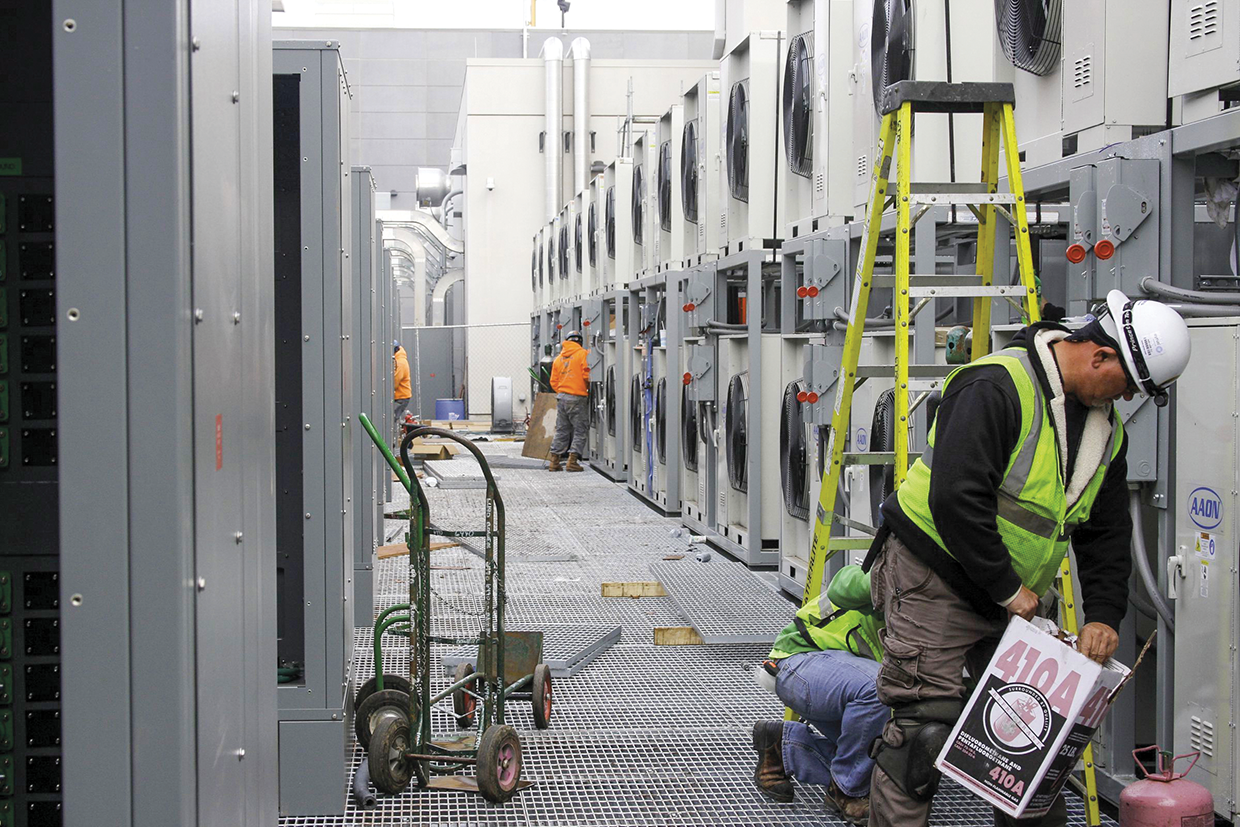
These initiatives represent a shift in how Silicon Valley views the workforce. While the focus is often on software engineers, the physical reality of AI requires a massive increase in “blue-collar” expertise to maintain power grids and server farms.
Is working on AI data centers an ethical dilemma for tradespeople?
Not all workers are comfortable with the AI boom. On the r/electricians subreddit, which sees roughly half a million monthly visitors, users are debating whether their labor makes them complicit in community damage or future job losses.
The perspectives vary sharply among workers interviewed by Wired:
- The Pragmatists: One Midwest electrician told Wired that while he acknowledges corporate greed and AI’s risks, he views these projects as a way to advance his career. His stance: “If you can’t beat them, join them.”
- The Skeptics: An electrician named Ryan opposes the work due to a distrust of the corporations and political climate driving AI. However, he noted that if the facilities must be built, he’d prefer union workers handle the construction.
- The Systemic Critics: Jesse, an IBEW member, argues that the blame for community impact belongs to policymakers and the approval process, not the electricians doing the work.
- The Realists: An electrician named Dante compared data center work to any other commercial project, stating that most workers “all need a paycheck” regardless of who the client is.
This divide highlights a growing tension in the trades. Workers are weighing the immediate benefit of high-paying, high-demand contracts against the long-term societal shifts AI might trigger. You can read more about industrial labor trends to see how this compares to previous tech booms.
Frequently Asked Questions
Are tech companies paying for electrician training?
Yes. Google has committed $50 million to skilled trades training, and Meta has launched a skilled trade academy.

What is the IBEW’s position on AI data centers?
The IBEW argues that union labor is essential to the AI revolution and has published “Data Center Principles” to guide the buildout.
Why are some electricians refusing to work on data centers?
Some workers cite ethical concerns regarding corporate greed, the potential for AI-driven job losses, and the negative impact these massive facilities have on local communities.
Join the Conversation
Do you think tradespeople should be held ethically responsible for the technology they install, or is “work just work”? Let us know in the comments below or subscribe to our newsletter for more insights into the future of the American workforce.