

Ella Bright, the star of the new series Off Campus, has become our latest summer obsession
The Death of the Manufactured Star: How the ‘Ella Bright Effect’ is Redefining Fame
For decades, the blueprint for a breakout star was rigid. You were discovered by a talent scout, polished by a studio, and launched through a carefully curated press tour. Think of the Disney Channel era or the early Netflix “original” wave where every interview felt scripted and every outfit was chosen by a high-priced stylist to project a specific, untouchable image.
But the sudden, explosive rise of Ella Bright in Off Campus signals a tectonic shift in how Gen Z consumes celebrity. We are moving away from the “manufactured” icon and toward the “algorithmic” icon—stars who don’t just play a role, but embody an entire digital mood board.
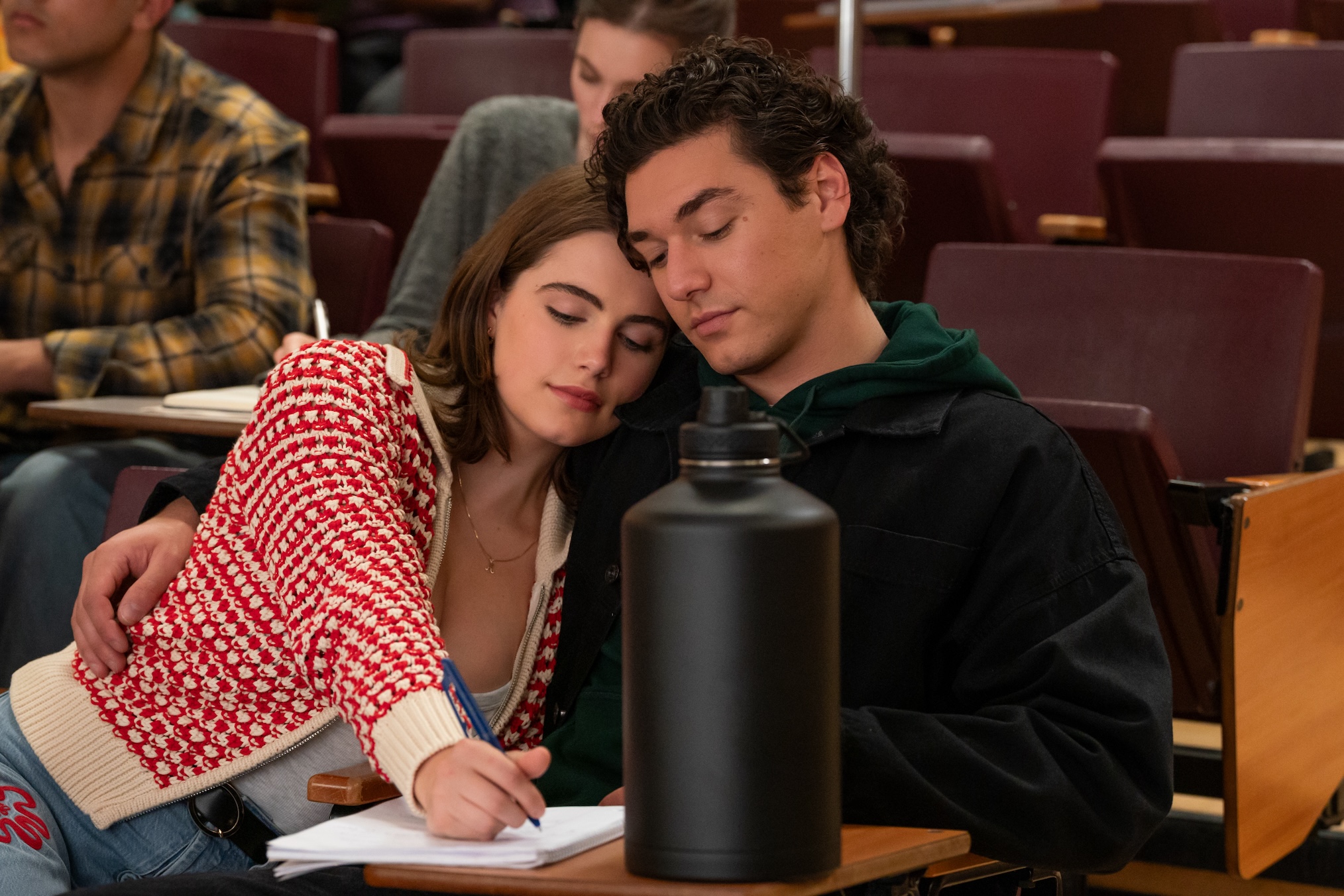
This isn’t just about one actress; it’s about a new era of stardom where authenticity, or at least the feeling of authenticity, is the primary currency. The modern “It Girl” is no longer a distant goddess on a pedestal; she is the girl who looks like she could be in your group chat, yet possesses a magnetic quality that makes her a global obsession.
The ‘Attainable Unattainability’ Paradox
The fascination with Ella Bright’s portrayal of Hannah Wells highlights a specific psychological trend: the desire for “attainable unattainability.” In the past, stars were purely unattainable. Today, the most successful figures are those who balance high-fashion appeal with “dorm room” relatability.
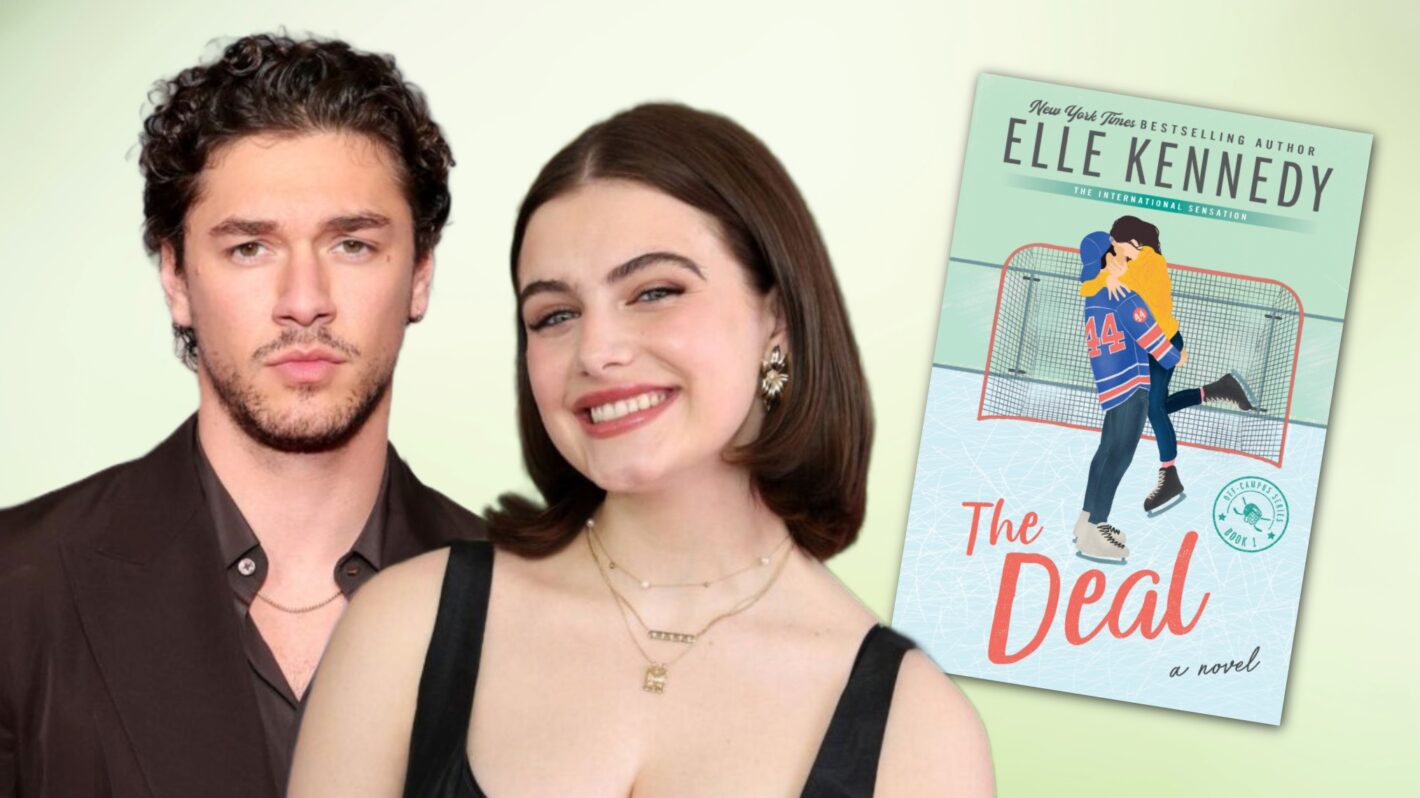
This paradox is fueled by platforms like Pinterest and TikTok, where users curate “aspirational yet reachable” lives. When an actress blends a high-glamour presence with the aesthetic of oversized hoodies and messy buns, she becomes a mirror for the audience’s own aspirations.
We see this trend repeating across the industry. The shift is moving toward characters who are “emotionally transparent”—protagonists who overshare, struggle with anxiety, and exhibit the “chaotic” energy that defines the current internet experience. The “cool girl” is dead; the “relatable girl who is accidentally cool” is the new gold standard.
The Role of the ‘Digital Mirror’
When audiences blur the line between the actor and the character, it’s often because the character reflects the viewer’s own digital identity. Hannah Wells isn’t just a character; she’s a personification of the “college autumn aesthetic.” By playing into this, the actor becomes a living, breathing version of a user’s favourite Pinterest board.
The Rise of the ‘Aesthetic Economy’
We are witnessing the birth of the “Aesthetic Economy,” where a show’s success is measured not just by ratings, but by how many “cores” it inspires. Off Campus didn’t just launch a series; it launched a lifestyle. From “hockey-core” to the specific lip-gloss-and-library vibe, the show provides a visual toolkit for fans to reconstruct their own identities.
This is a strategic evolution of the 2000s teen drama. While The O.C. or Gossip Girl influenced fashion, the speed of the TikTok algorithm has accelerated this process. Now, a single scene can trigger a global surge in searches for a specific hairstyle or a brand of oversized sweatshirt within hours.
For those looking to dive deeper into how these trends start, check out our guide on how BookTok is changing the publishing industry.
Future Trends: What Comes After the ‘It Girl’?
As we look forward, the “Ella Bright effect” suggests several upcoming shifts in pop culture and casting:
- Algorithm-First Casting: Studios will likely start casting based on an actor’s “aesthetic compatibility” with target social media demographics rather than just traditional acting reels.
- The ‘Niche-to-Mainstream’ Pipeline: We will see more stars emerging from hyper-specific digital niches (like Letterboxd circles or niche music communities) rather than traditional talent pipelines.
- Hyper-Personalized Marketing: Instead of broad trailers, marketing will focus on “mood teasers” designed to be clipped and shared as TikTok edits, treating the show as a series of aesthetics rather than a linear plot.
The intersection of nostalgia—specifically for the early 2000s—and modern digital tools is creating a hybrid form of stardom. We are seeing a return to the “starlet” era, but with a Gen Z twist: the power is no longer held by the studio head, but by the community creating the edits.
Frequently Asked Questions
Why is the “It Girl” trend returning?
It’s not a return, but an evolution. While the 2000s had “It Girls,” today’s version is driven by algorithms and “cores,” making the fame more fragmented and based on specific aesthetics rather than general popularity.
How does BookTok influence TV casting?
BookTok creates a pre-existing visual expectation for characters. When a show like Off Campus casts someone who fits the “fan-cast” aesthetic, it guarantees an immediate, loyal audience.
What is “attainable unattainability”?
It is the balance of looking like a celebrity while maintaining habits, styles, and emotional vulnerabilities that feel common to the average person.
Join the Conversation
Do you think the era of the “manufactured star” is truly over, or is “relatability” just the new way of manufacturing fame? Let us know your thoughts in the comments below or subscribe to our newsletter for more deep dives into the intersection of culture and digital trends!