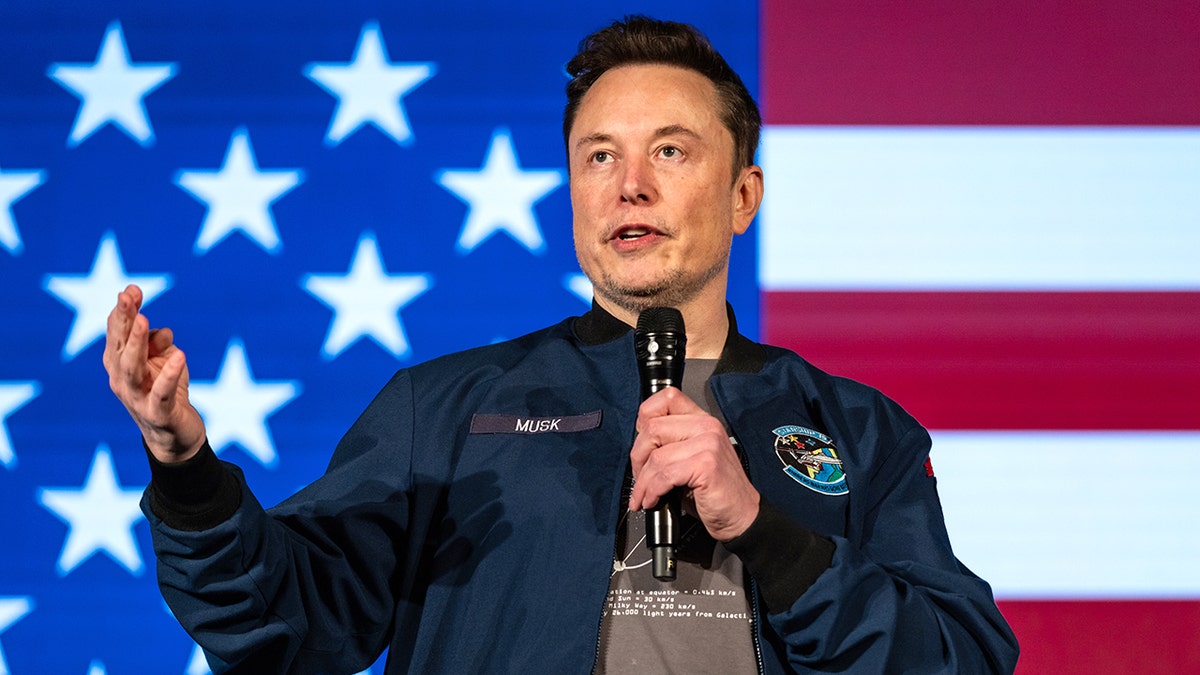
Elon Musk Becomes History’s First Trillionaire Following SpaceX IPO
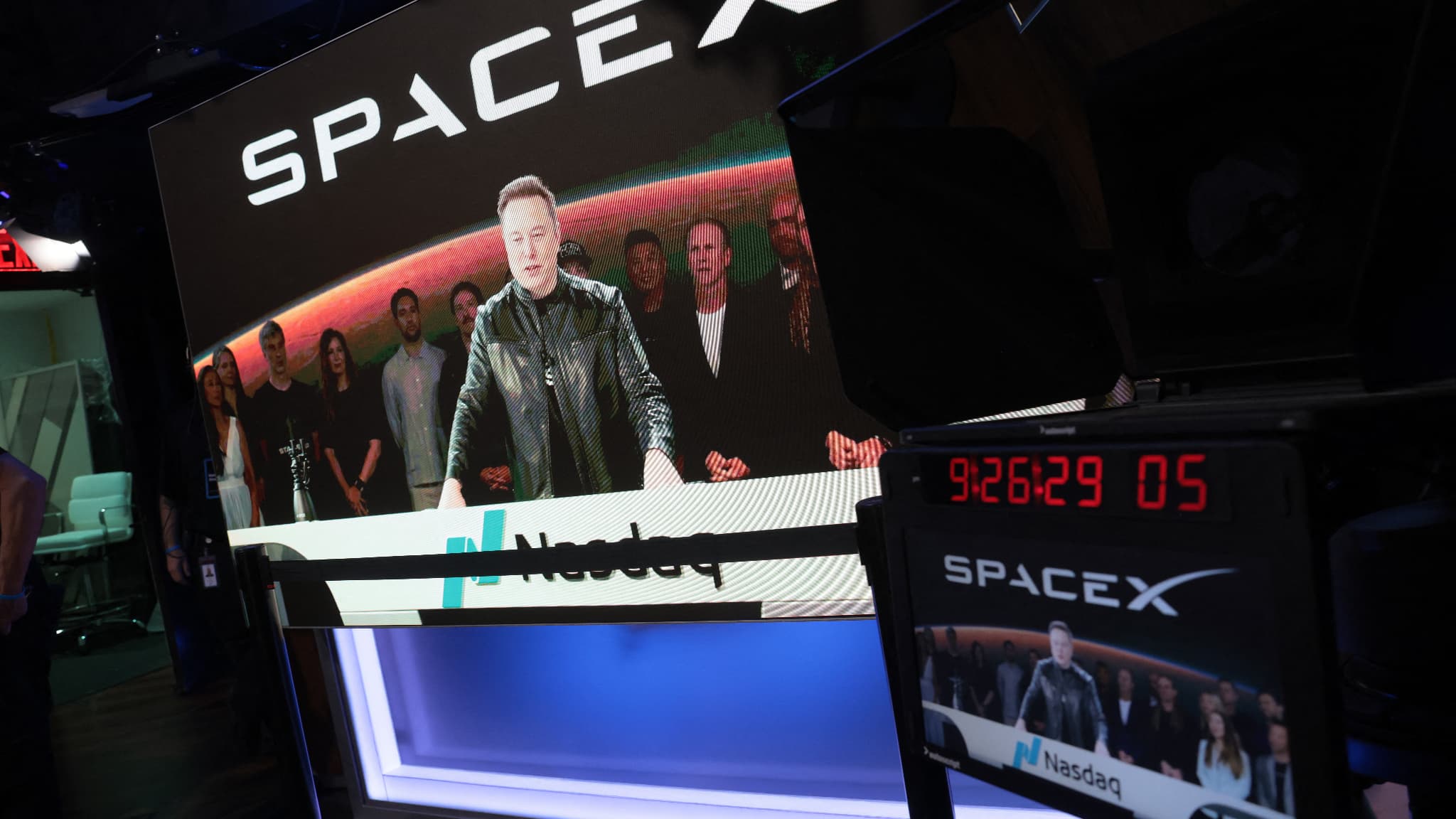
Elon Musk has become the world’s first trillionaire, reaching a net worth of $1.27 trillion following the public offering of SpaceX on the Nasdaq. According to the Bloomberg Billionaires Index, this valuation—driven by a $570 billion surge in his assets—now exceeds the annual gross domestic product (GDP) of nations like Switzerland and Poland, marking a historic shift in the concentration of global private wealth.
How does a private net worth rival national GDP?
The accumulation of wealth at this scale creates a new category of economic entity. With a fortune of $1.27 trillion, Musk’s personal assets now eclipse the annual economic output of countries such as Switzerland ($1.14 trillion) and the Netherlands ($1.45 trillion). Data from the Bloomberg Billionaires Index confirms that if Musk’s net worth were an economy, it would rank among the top 20 nations globally. This shift represents a departure from traditional corporate wealth, as the valuation of SpaceX—now exceeding $2.5 trillion—is driven by investor demand for space infrastructure, rather than just consumer products.
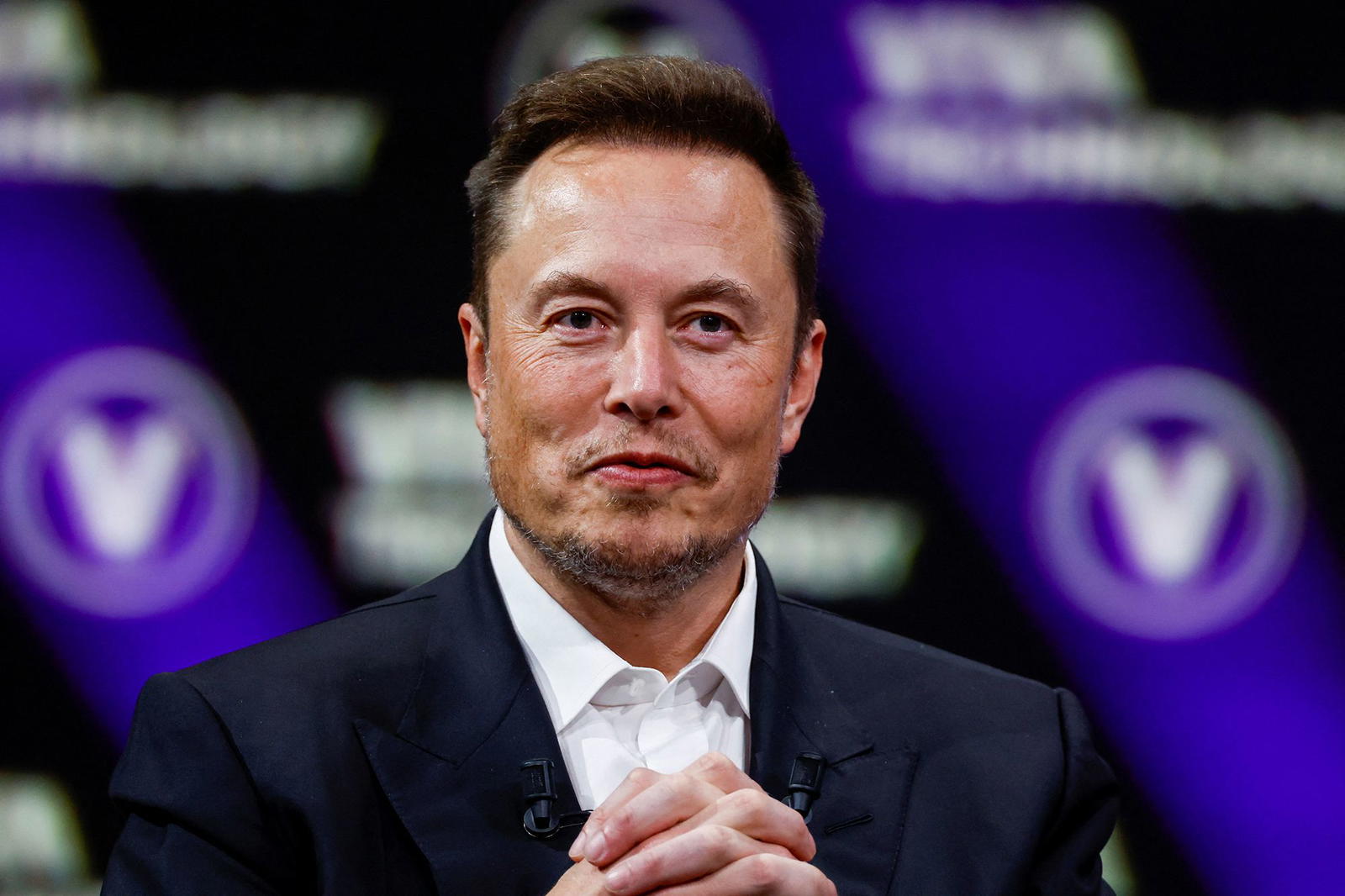
On a single trading day in June 2026, the 500 wealthiest individuals on the planet added $336 billion to their combined fortunes. Musk alone accounted for nearly half of that daily gain, earning $164 billion in 24 hours—a sum greater than the entire annual GDP of Slovakia.
What is the impact of the SpaceX public offering?
SpaceX’s entry into the public markets serves as the primary catalyst for this unprecedented wealth expansion. The company’s valuation has surpassed $2.5 trillion, with shares continuing to climb in pre-market trading. According to financial analysts, this move has forced a re-evaluation of how markets categorize “ultra-high-net-worth” individuals. While the term “billionaire” was once the ceiling of financial status, the emergence of the “trillionaire” (or “billionaire” in European nomenclature) highlights a concentration of capital where the top 50 individuals now hold more than $6.5 trillion—nearly matching the combined wealth of the next 450 richest people on the list.
How does Musk’s wealth compare to other tech giants?
Musk’s financial standing has outpaced the combined fortunes of the world’s most recognized business leaders. His current net worth surpasses the individual holdings of Bernard Arnault, Jeff Bezos, Larry Page, Sergey Brin, and Mark Zuckerberg combined. This gap highlights a growing disparity within the billionaire class itself. While historical wealth was often tied to tangible manufacturing or retail, the current surge is tied to equity-based valuations in high-tech and aerospace sectors, where market sentiment can drive multibillion-dollar fluctuations in a single session.
Comparative Wealth Snapshot
| Entity/Individual | Estimated Value/GDP |
|---|---|
| Elon Musk | $1.27 Trillion |
| Switzerland (GDP) | $1.14 Trillion |
| Poland (GDP) | $1.13 Trillion |
Frequently Asked Questions
- What is the difference between a billionaire and a trillionaire? A billionaire holds assets worth at least $1 billion, while a trillionaire, or “billionaire” in European terminology, holds assets worth at least $1,000 billion.
- Why is SpaceX valued so highly? The valuation reflects investor expectations regarding the company’s dominance in the space launch industry and global satellite infrastructure.
- How much of SpaceX does Musk own? Elon Musk retains approximately 45% of the capital in SpaceX, alongside an 11% stake in Tesla.
What do you think about the rise of the trillionaire class? Share your thoughts in the comments section below or subscribe to our weekly economic briefing for more analysis on global wealth trends.